Are your airport belt loaders facing unexpected downtime? As a procurement or maintenance manager, the last thing you need is a breakdown causing delays in airport operations. In a high-pressure environment like this, even the smallest issue can have a ripple effect.
Belt loaders are essential for smooth cargo and baggage handling at airports. But without proper maintenance, these machines can quickly lead to costly repairs and extended downtime, disrupting the entire workflow.
This ultimate guide will show you how to perform effective airport belt loader maintenance to avoid breakdowns, reduce operational risks, and keep things running smoothly.
Key Takeaways
Regular maintenance of airport belt loaders is crucial to prevent breakdowns and ensure smooth operations.
Daily, weekly, and monthly checks help keep the equipment in optimal condition.
Preventive maintenance is more cost-effective than reactive maintenance and reduces unplanned downtime.
A personalized maintenance schedule based on usage frequency is key to maximizing reliability.
Investing in OEM parts and regular staff training will improve the loader's lifespan and performance.
What Are Airport Belt Loaders?
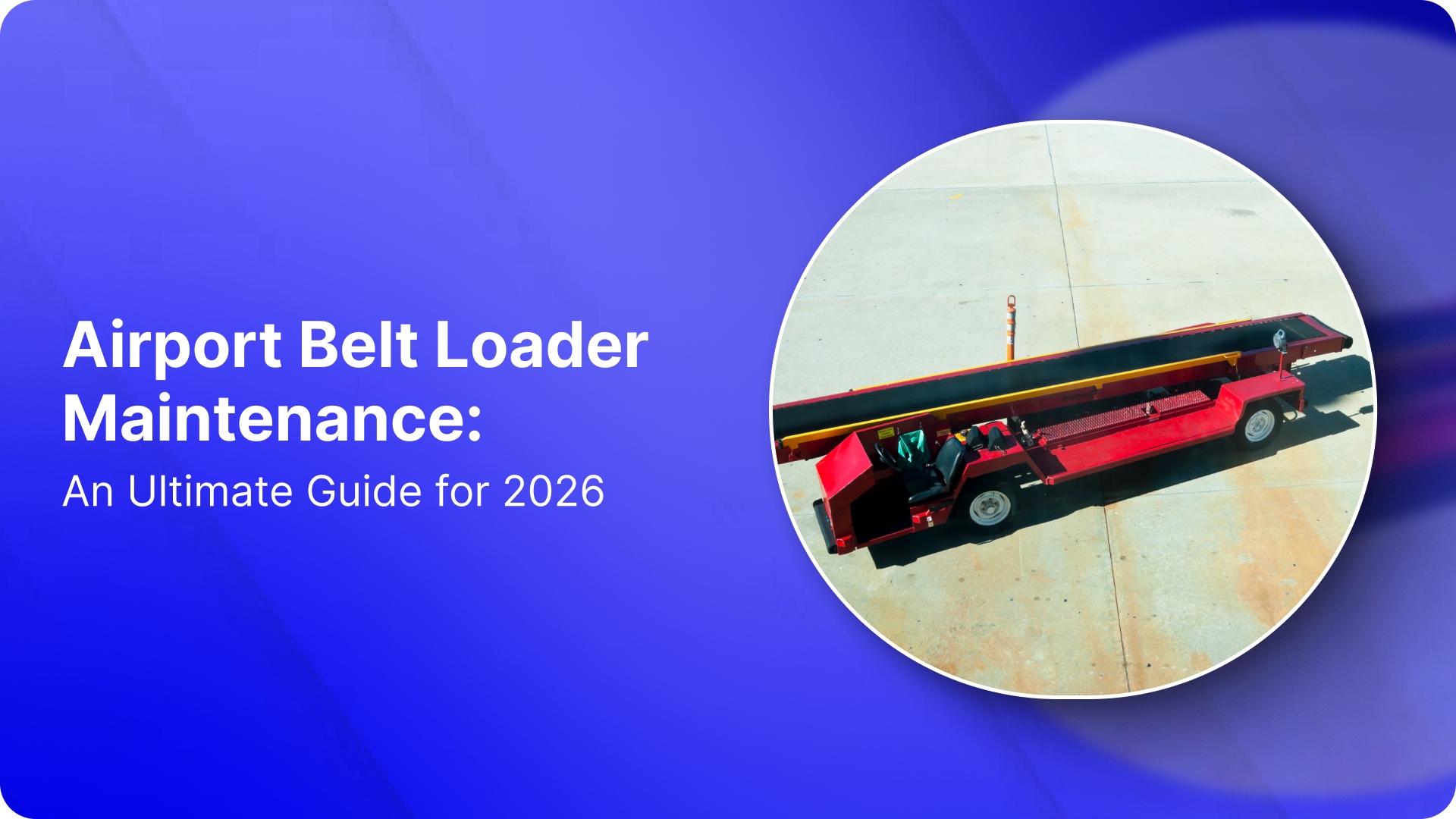
Airport belt loaders are essential ground support equipment used for loading and unloading baggage, cargo, and freight onto aircraft. These machines are designed to handle heavy loads while maintaining flexibility, adjusting to various aircraft heights for efficient operations.
Belt loaders are a critical component in speeding up aircraft turnaround times and ensuring smooth airport operations. Without them, the logistics of moving baggage and cargo would be far less efficient and far slower.
Next, let's look at the common issues that can arise when belt loaders aren't properly maintained.
5 Common Issues with Belt Loaders
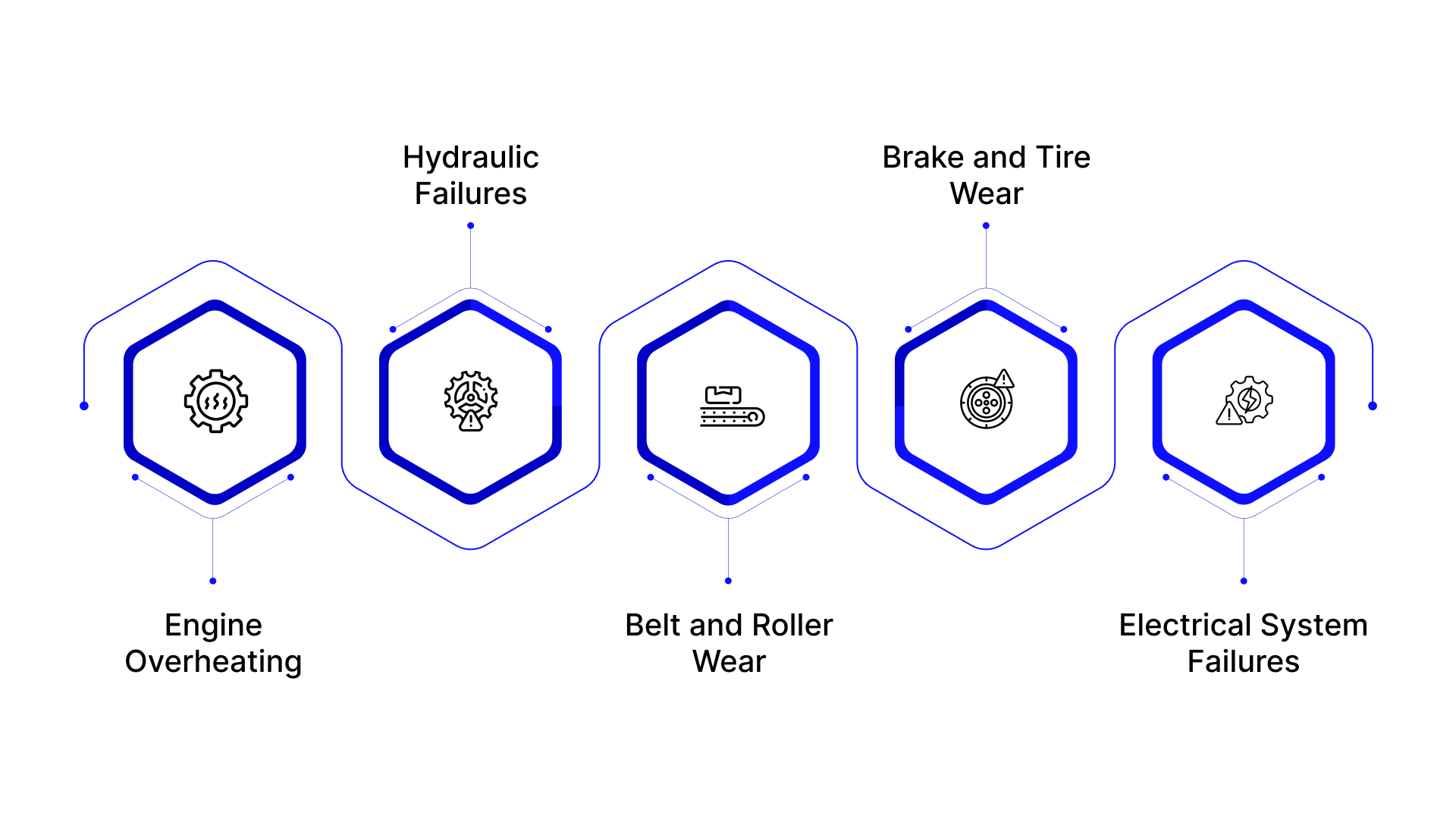
Belt loaders, like any machinery, are prone to wear and tear, especially when not regularly maintained. These issues can disrupt operations, leading to delays and increased repair costs. Understanding the common problems can help prevent costly breakdowns and improve overall efficiency.
Here are some common issues that can occur and their causes:
Engine Overheating
Overheating occurs when the engine does not get enough cooling, leading to performance issues.
How It Caused: Insufficient fluid levels or blocked radiators prevent the engine from cooling properly.
Hydraulic Failures
Hydraulic system failures affect the lifting power and stability of the belt loader.
How It Caused: Leaks in hoses or low hydraulic fluid levels lead to pressure loss in the system.
Belt and Roller Wear
The belts and rollers can become damaged over time, reducing the loader's ability to carry heavy loads efficiently.
How It Caused: Continuous operation in harsh conditions without regular inspection causes wear and tear.
Brake and Tire Wear
This affects the ability to stop or control the belt loader, posing safety risks.
How It Caused: High-speed operations and heavy loads accelerate tire and brake wear, reducing efficiency.
Electrical System Failures
Malfunctions in the electrical components can stop the belt loader from operating altogether.
How It Caused: Exposure to moisture or wear over time can damage wiring or electrical connections.
With these issues in mind, let's look into the key maintenance tasks you can perform to avoid them.
Key Maintenance Tasks for Belt Loaders
Regular maintenance is the key to ensuring that your airport belt loaders remain reliable and efficient. By staying on top of inspections and addressing minor issues before they escalate, you can avoid costly repairs and downtime.
Here are the core maintenance tasks you need to perform and why they are essential:
Engine Fluids Inspection
Check the oil and coolant levels daily to ensure smooth engine operation.
Why It's Important: Low oil or coolant levels can cause engine overheating, leading to potential failure.
Tools Required: Oil dipstick, coolant gauge, and engine inspection manual.
Hydraulic System Checks
Inspect hydraulic hoses and connections for leaks, and top up fluid as needed.
Why It's Important: Hydraulic failures can cause lifting issues, reducing efficiency.
Tools Required: Hydraulic pressure gauge, leak detection kit, and fluid reservoir.
Belt and Roller Inspections
Check belts and rollers for cracks, wear, or debris buildup. Replace damaged parts immediately.
Why It's Important: Worn belts and rollers affect the load handling capacity and operational speed.
Tools Required: Wrench set, belt inspection tool, and lubricant.
Brake System Testing
Inspect the brake pads and test the brakes for proper functioning. Replace if needed.
Why It's Important: Poor brake performance can lead to safety issues during operations.
Tools Required: Brake tester, wrench set, and replacement pads.
Tire Pressure Checks
Ensure tires are properly inflated according to manufacturer specifications.
Why It's Important: Proper tire pressure ensures safe and efficient movement.
Tools Required: Tire pressure gauge, air compressor.
By performing these essential tasks, you can ensure that your belt loaders remain in optimal condition.
Now, let’s look into the difference between preventive maintenance and reactive maintenance, and why the former is a more effective approach for airport ground support equipment.
Preventive Maintenance vs. Reactive Maintenance
Preventive maintenance is a proactive approach where maintenance tasks are scheduled regularly to prevent issues before they occur. Reactive maintenance, on the other hand, happens only after a problem arises, often resulting in unplanned downtime and higher costs.
Understanding the differences between these approaches can help you make smarter decisions for your belt loader maintenance strategy.
Here’s a comparison of the two maintenance approaches:
Aspect | Preventive Maintenance | Reactive Maintenance |
Approach | Scheduled, proactive maintenance to prevent issues. | Maintenance after a failure occurs. |
Cost | Lower long-term costs due to fewer repairs and extended equipment life. | Higher costs due to emergency repairs and equipment replacement. |
Downtime | Reduces downtime by addressing problems before they cause failure. | Increases downtime as repairs are done reactively, disrupting operations. |
Operational Efficiency | Ensures smooth operations with fewer unexpected disruptions. | Can lead to operational delays, affecting airport turnaround time. |
Risk of Equipment Failure | Low risk, as parts are regularly inspected and maintained. | High risk of sudden failures, leading to unexpected operational halts. |
Balancing both approaches is key to maximizing efficiency. Now, let's explore how you can set up an effective maintenance schedule for your belt loaders.
How to Set Up an Effective Belt Loader Maintenance Schedule
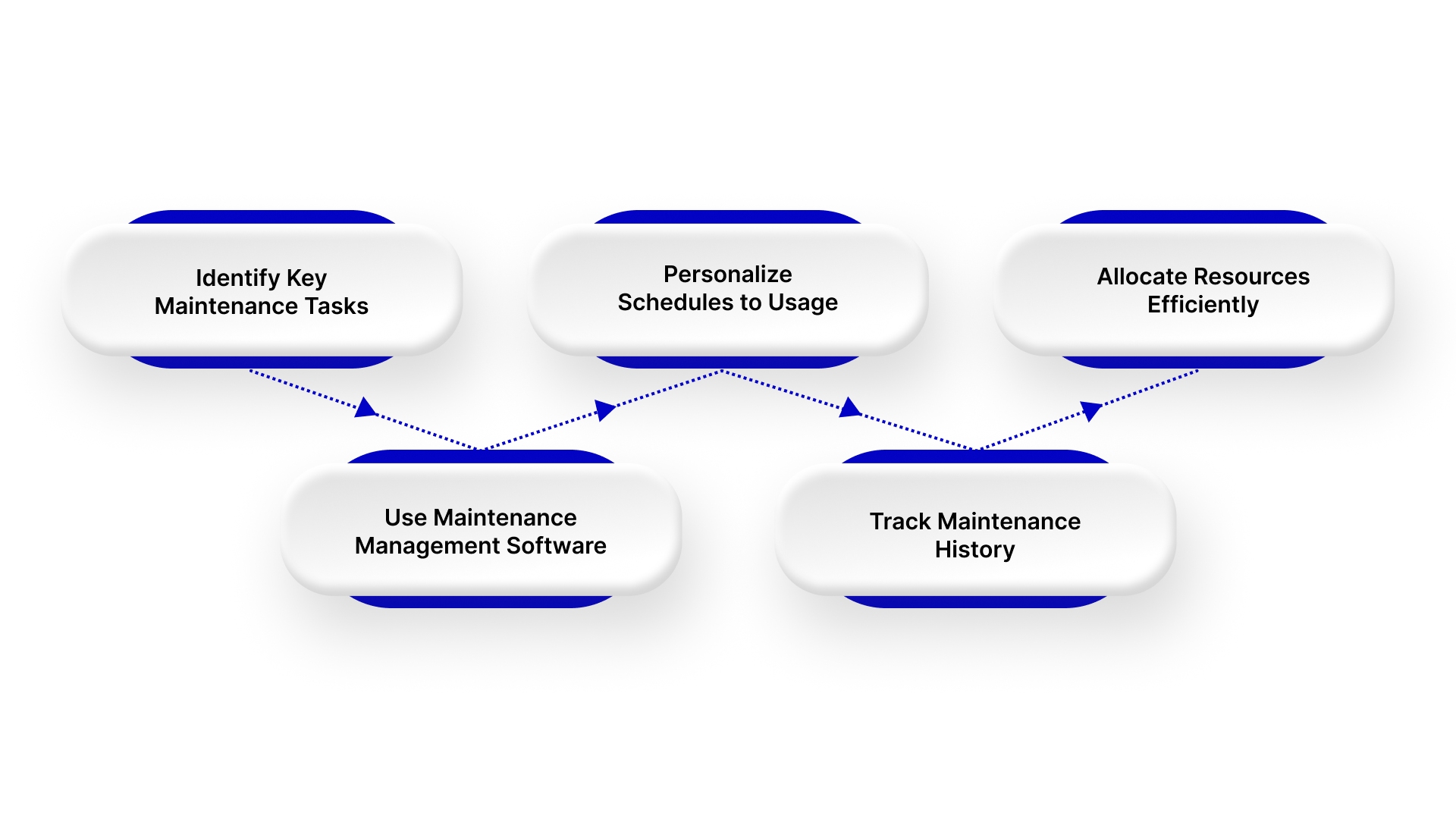
Setting up a maintenance schedule is crucial to keep your belt loaders running smoothly. A well-organized schedule minimizes downtime and ensures that maintenance tasks are performed consistently and on time.
Here’s how to set up an effective belt loader maintenance schedule:
Identify Key Maintenance Tasks
List daily, weekly, and monthly tasks based on manufacturer guidelines (e.g., engine fluid checks, tire pressure, hydraulic inspections).
Recommendation: Include specific tasks like "check hydraulic fluid levels" and "inspect belts for wear."
Use Maintenance Management Software
Automate reminders and track completed maintenance to ensure nothing is missed.
Recommendation: Implement software that allows scheduling by date or hours of operation.
Personalize Schedules to Usage
High-use equipment requires more frequent checks. Create separate schedules for equipment used in various shift patterns.
Recommendation: For high-traffic areas, increase inspections to twice per week.
Track Maintenance History
Keep a log of all inspections, repairs, and parts replacements. Use this data to adjust the schedule and spot recurring issues.
Recommendation: Use spreadsheets or software to log parts replaced, service dates, and any operational issues noted.
Allocate Resources Efficiently
Assign specific maintenance responsibilities to trained staff members, ensuring proper expertise is available when needed.
Recommendation: Designate one person per shift for basic maintenance checks and have a lead technician available for complex tasks.
With a solid maintenance schedule in place, you'll see an improvement in operational reliability.
Now, let’s look at best practices for ensuring the long-term reliability of your belt loaders.
Best Practices for Ensuring Long-Term Reliability
Ensuring the long-term reliability of your belt loaders requires a mix of preventative measures and continuous attention to detail. By focusing on proactive strategies, you can avoid costly repairs and maximize the operational lifespan of your equipment.
Here are some specific best practices to follow:
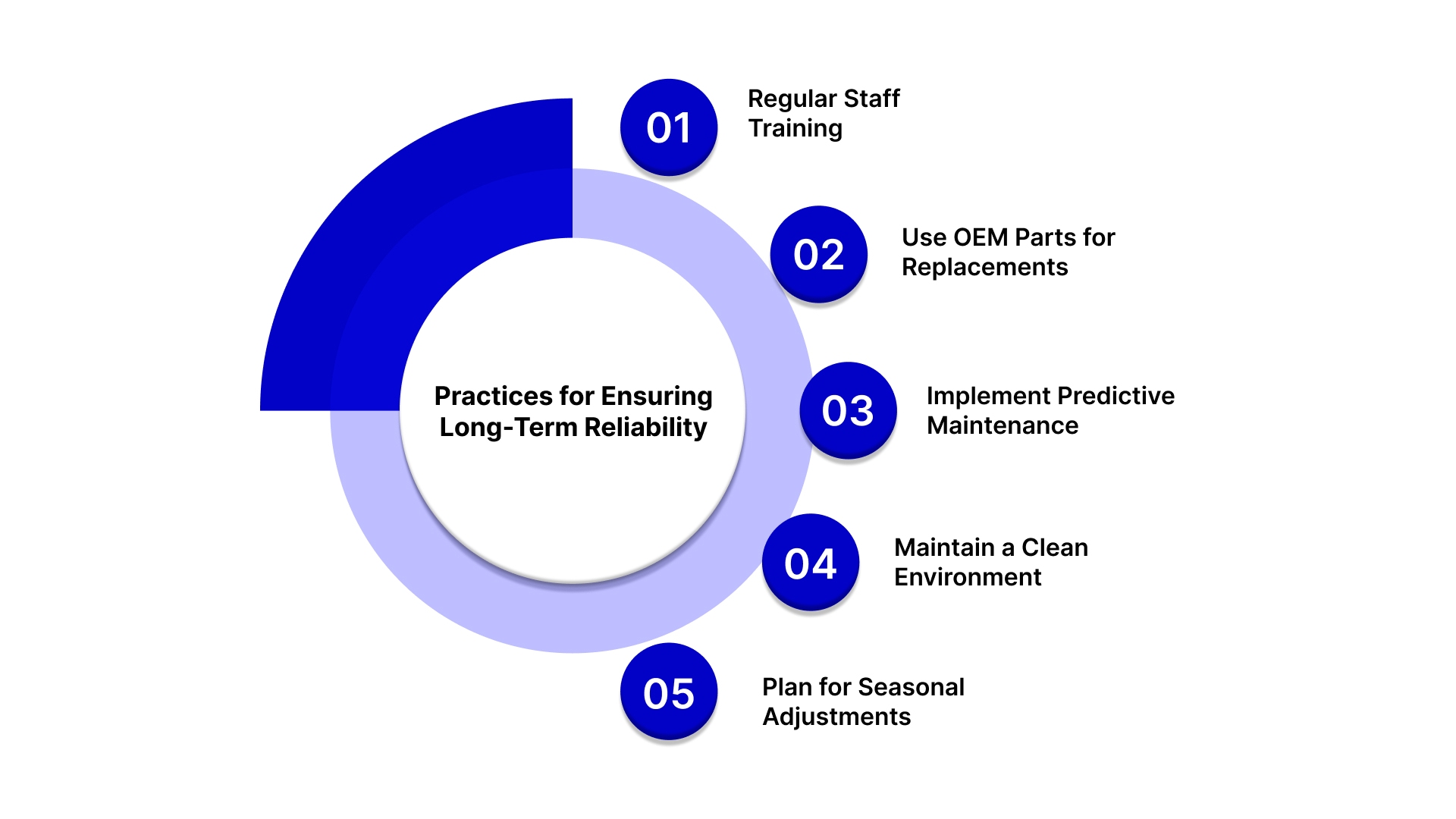
Regular Staff Training
Ensure maintenance teams are consistently trained on the latest procedures and safety protocols.
Conduct quarterly workshops to update staff on new equipment and maintenance techniques.
Use OEM Parts for Replacements
Always use Original Equipment Manufacturer (OEM) parts to ensure compatibility and durability.
Maintain a stock of essential OEM parts like hydraulic seals, belts, and rollers to prevent delays.
Implement Predictive Maintenance
Use data from sensors and software to predict when parts are likely to wear out or need servicing.
Set up an IoT-based monitoring system to track performance and detect early signs of wear.
Maintain a Clean Environment
Keep the belt loaders in a clean environment to prevent debris and dirt from causing damage to moving parts.
Clean the machine daily and perform a full degreasing and cleaning every month.
Plan for Seasonal Adjustments
Ensure the equipment is inspected more frequently during peak seasons when usage is at its highest.
Increase maintenance checks during high-traffic periods like summer holidays or busy travel seasons.
With these best practices in place, your belt loaders will stay reliable for the long haul.
Is Your Belt Loader Maintenance Strategy Helping You Avoid Downtime?
Maintaining airport belt loaders is essential for keeping airport operations smooth and efficient. Regular, proactive maintenance ensures that your equipment runs at peak performance, reducing the risk of costly breakdowns and operational delays.
At FSR Products, we specialize in manufacturing high-quality radiators and cooling systems for airport ground support equipment (GSE). We offer durable and reliable radiators specifically designed for belt loaders and other GSE machinery.
Here's what we offer:
High-performance radiators built to withstand heavy-duty operations.
Custom cooling solutions for various types of GSE machinery.
Expert engineering support to ensure long-lasting product reliability.
For reliable and efficient cooling solutions for your belt loaders, contact us today.
FAQs
How can I prevent belt loader breakdowns during peak seasons?
To prevent breakdowns, increase inspection frequency during busy periods and focus on high-use components like hydraulics and brakes. Regular checks reduce the risk of unexpected failures.
What is the average lifespan of an airport belt loader?
The lifespan of a belt loader typically ranges between 8 and 15 years, depending on maintenance practices, usage frequency, and operating conditions.
How do I know when it's time to replace the belts on a loader?
Belts should be replaced when you notice visible wear, such as cracks, fraying, or a significant decrease in performance. Regular inspections will help identify these signs early.
Can belt loaders be used in extreme weather conditions?
Yes, belt loaders are designed to operate in various weather conditions, but extreme cold or heat can affect their efficiency. Regular maintenance helps mitigate weather-related performance issues.
How do I ensure the safety of the ground crew during belt loader operations?
Ensuring safety involves regular training, checking for hydraulic leaks, ensuring proper braking, and keeping the loading area clear of debris. Safety protocols should be followed at all times.