If you manage airport operations, maintenance, or procurement, ground support vehicles are part of your daily reality. These vehicles move aircraft, handle baggage and cargo, provide ground power, and support turnaround activities between flights.
The term ground support equipment is often used broadly. In practice, however, most operational impact comes from vehicle-based ground support equipment, not static tools or aircraft systems. This distinction matters when you are planning fleets, managing uptime, or evaluating suppliers.
This article explains what ground support equipment, or GSE, means in aviation, with a clear focus on ground support vehicles. The goal is to give you a practical framework that reflects how airports actually operate and supports better operational and maintenance decisions.
Key Takeaways
Ground support equipment is vehicle-driven. Vehicles perform most airside operational tasks and carry the highest downtime risk.
GSE vehicles operate under unique conditions. Stop-start cycles, idle time, and outdoor exposure shape how they wear and fail.
A clear scope improves decisions. Separating vehicle-based GSE from static equipment helps prioritize maintenance and sourcing.
Vehicle focus supports reliability. Planning around how GSE vehicles actually operate leads to more predictable performance.
What Is Ground Support Equipment (GSE) in Aviation?
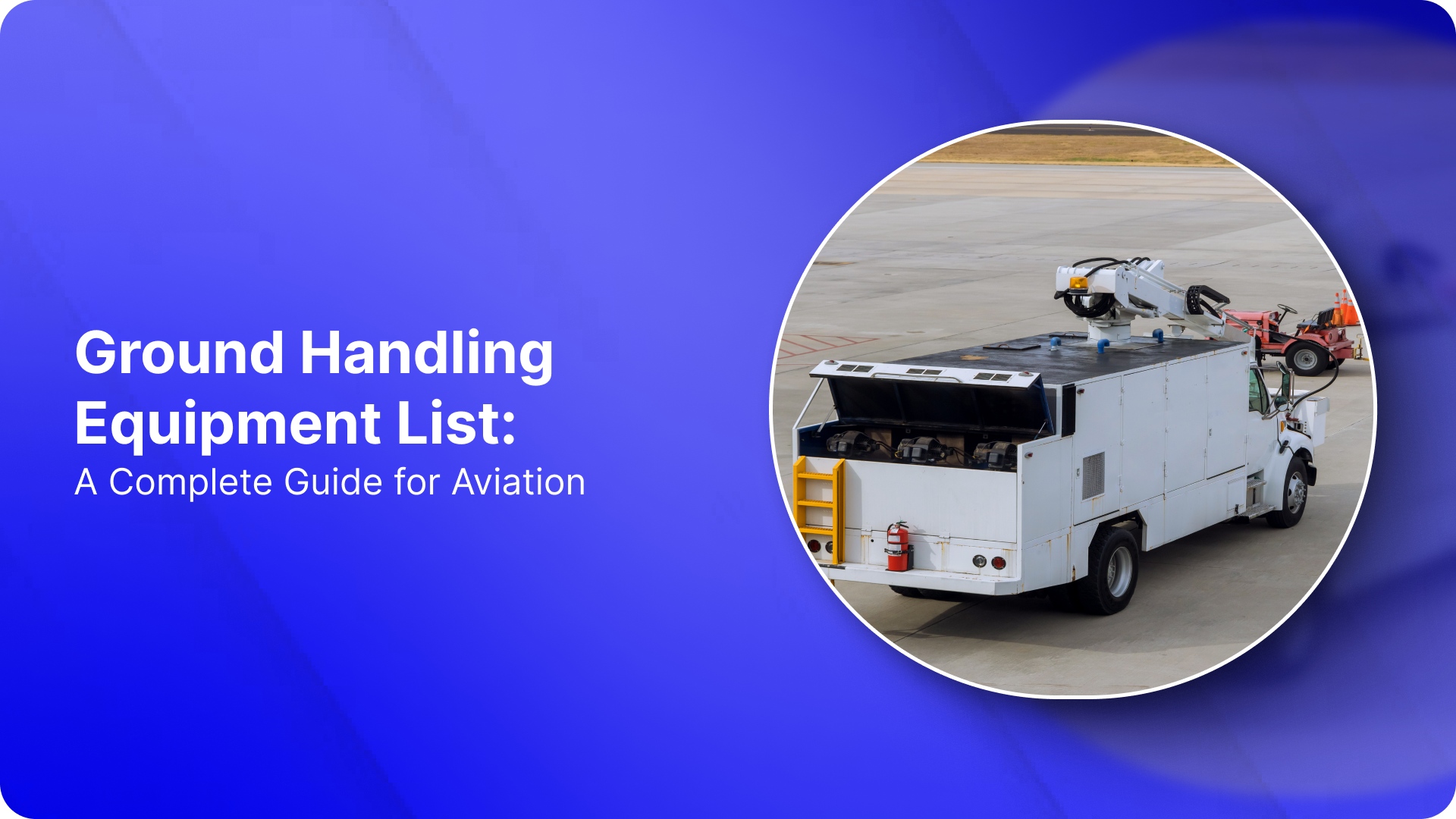
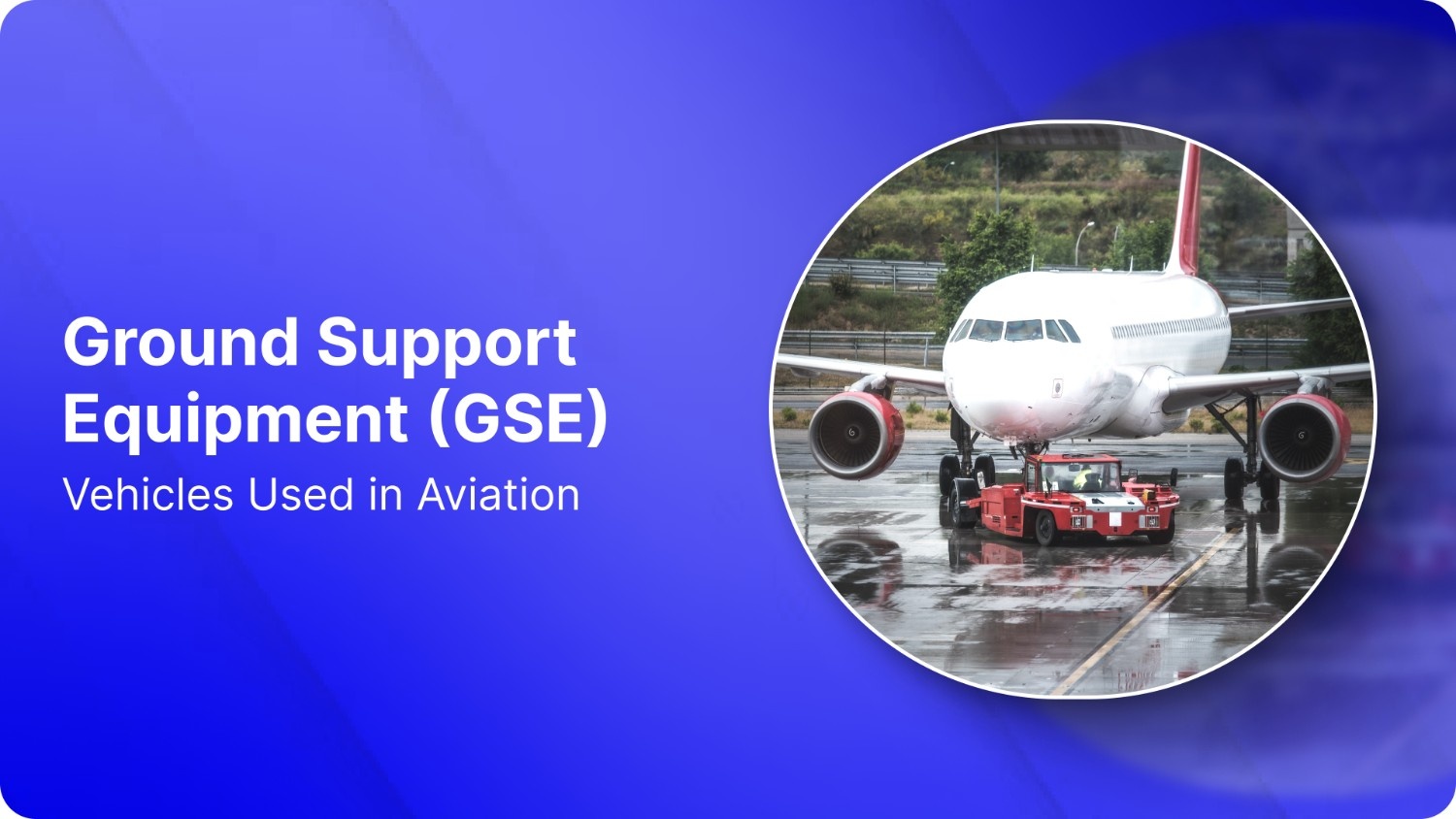
Ground support equipment in aviation refers to the vehicles used to support aircraft while they are on the ground. These vehicles operate on the ramp, apron, and other airside areas to keep aircraft movement and turnaround activities running smoothly.
You may also see the term aviation ground support equipment. In real airport environments, both terms usually describe the same category: vehicle-based equipment designed specifically for airside operations.
What ground support equipment vehicles include
Ground support equipment vehicles typically cover:
Vehicles used to move aircraft on the ground
Vehicles used to handle baggage and cargo
Vehicles that provide ground power or system support
Vehicles that operate between flights, not during flights
What ground support equipment does not include
To avoid confusion, GSE does not refer to:
Onboard aircraft systems or components
In-flight equipment
General road vehicles used outside airport operations
Why this definition matters to you
For you, this definition sets clear boundaries. Ground support equipment vehicles are selected, maintained, and managed based on:
Airside operating conditions
Stop-start duty cycles
Outdoor exposure
Tight turnaround windows
Understanding what qualifies as GSE helps you focus on the equipment that has the greatest impact on daily airport operations and fleet reliability.
Ground Support Equipment Vehicles: The Core of Airport Operations
When people talk about ground support equipment, they often picture a wide mix of tools and assets. In real airport operations, however, vehicles form the operational core of GSE.
These vehicles are responsible for most time-critical ground activities. If a vehicle is unavailable, delayed, or unreliable, the impact is immediate and visible across the ramp.
Ground support equipment vehicles typically handle:
Moving aircraft between gates, stands, and hangars
Transporting baggage and cargo during turnarounds
Supplying power and support services while aircraft are parked
Unlike static equipment, GSE vehicles operate continuously throughout the day. They start and stop frequently, idle between tasks, and work outdoors in congested airside environments.
For you, this makes vehicle reliability more than a technical concern. It directly affects:
Turnaround predictability
Equipment availability during peak periods
Maintenance workload and planning
Supplier and replacement decisions
This is why most operational and maintenance risk in ground support equipment is tied to vehicles, not auxiliary tools.
Key Types of Ground Support Equipment Vehicles
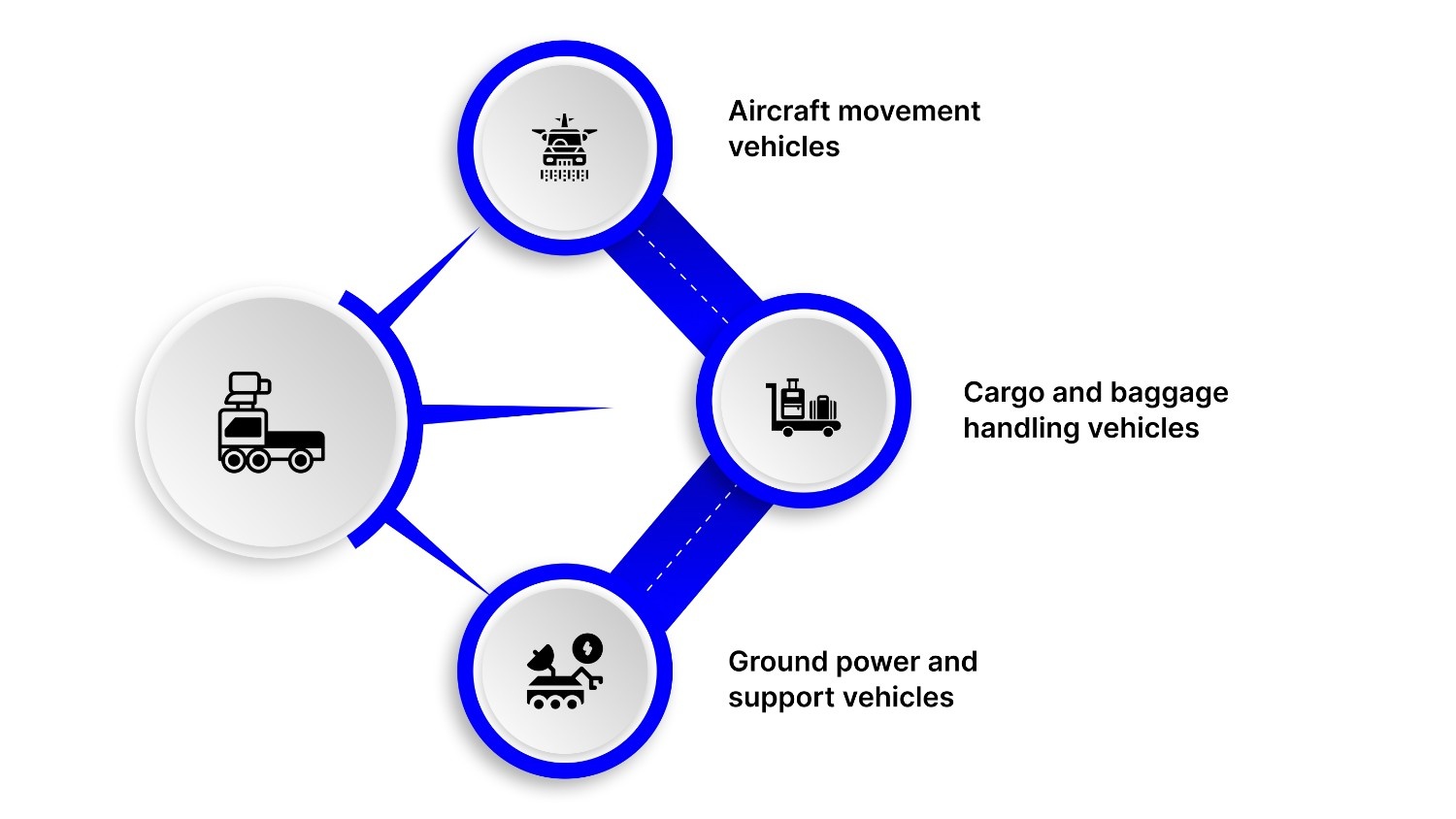
Ground support equipment vehicles can be grouped by the role they play on the airside. Each group faces different operating stresses, but all share common demands around uptime and reliability.
1. Aircraft movement vehicles
These vehicles are used to reposition aircraft on the ground and must operate with precision and consistency.
Common examples include:
Aircraft tow tractors
Towbar and towbarless tugs
From an operational standpoint, these vehicles:
Perform short, repeated tasks
Operate in tight spaces
Require a predictable response every time they are used
When movement vehicles are unavailable, aircraft positioning stops, and downstream operations are delayed.
2. Cargo and baggage handling vehicles
This category includes some of the most heavily used GSE vehicles on the ramp.
Typical examples:
Belt loaders
Cargo loaders
Baggage tractors and dollies
These vehicles are under constant stop-start stress and often run back-to-back cycles during peak periods. For you, their reliability affects:
Baggage flow
Load timing
Crew productivity
Even minor disruptions in this category can create visible bottlenecks.
3. Ground power and support vehicles
Some GSE vehicles support aircraft systems while parked rather than moving loads or aircraft.
Common examples:
Ground power units (GPUs)
Other mobile support units used during turnaround
These vehicles often:
Run for longer continuous periods
Operate under varying environmental conditions
Support multiple aircraft in sequence
Because they are expected to perform steadily rather than intermittently, consistency and thermal stability become especially important for this group.
How Ground Support Equipment Vehicles Operate in Real Airport Conditions
Ground support equipment vehicles operate in conditions that are very different from standard on-road or industrial vehicles. These conditions shape how wear develops and how failures appear.
Typical operating patterns for GSE vehicles
Most GSE vehicles are used in short, repeated cycles rather than continuous operation. You will often see:
Frequent start–stop use throughout the day
Idle time between tasks rather than long run periods
Rapid transitions between load and no-load conditions
These patterns place stress on components even when total operating hours appear low.
Environmental factors affecting GSE vehicles
GSE vehicles operate almost entirely outdoors. This exposes them to:
Temperature variation across seasons and time of day
Dust, debris, and moisture on the ramp
Congested operating areas with limited airflow
Environmental exposure accelerates wear and affects how systems behave during cooldown and idle periods.
What Ground Support Equipment Means for Maintenance and Procurement Teams
For maintenance and procurement teams, ground support equipment vehicles represent a continuous balancing act between availability, cost, and operational risk.
Maintenance priorities you manage daily
Your focus is typically on:
Keeping vehicles available during peak operational windows
Reducing repeat failures that disrupt schedules
Managing preventive maintenance without over-servicing
Because GSE vehicles share similar operating conditions, recurring issues often signal system-level or component suitability problems.
Procurement considerations beyond price
When sourcing or replacing equipment and components, decisions usually extend beyond upfront cost:
Fleet standardization to simplify maintenance
Component reliability under stop-start conditions
Supplier understanding of airport vehicle use cases
Selecting suppliers that understand ground support equipment vehicles as a distinct category helps reduce mismatches and long-term maintenance burden.
The operational outcome
When maintenance and procurement decisions reflect real GSE operating conditions:
Downtime becomes more predictable
Replacement cycles are easier to plan
Operational disruption is easier to control
This is where working with suppliers that focus specifically on ground support equipment vehicles, such as FSR Products, helps reduce the mismatch between component design and real operating conditions.
Where Non-Vehicle Ground Support Equipment Fits
While ground support vehicles handle most operational tasks, airports also rely on non-vehicle equipment to support day-to-day activity. These assets play a supporting role rather than driving operations on their own.
Examples of non-vehicle ground support equipment
Non-vehicle GSE typically includes:
Baggage and cargo dollies
Wheel chocks
Static maintenance stands and platforms
Ground handling accessories used alongside vehicles
These items do not operate independently. They depend on vehicles to move, position, or support them during use.
How does this equipment differ from GSE vehicles?
From an operational and planning perspective, non-vehicle GSE:
Has fewer mechanical failure points
Does not operate under stop-start engine cycles
Is less exposed to thermal and load-related stress
As a result, downtime in this category is usually managed through availability and condition checks rather than active maintenance programs.
Common Misconceptions About Ground Support Equipment
Ground support equipment is often misunderstood because the term is used broadly. Clearing up these misconceptions helps align expectations with operational reality.
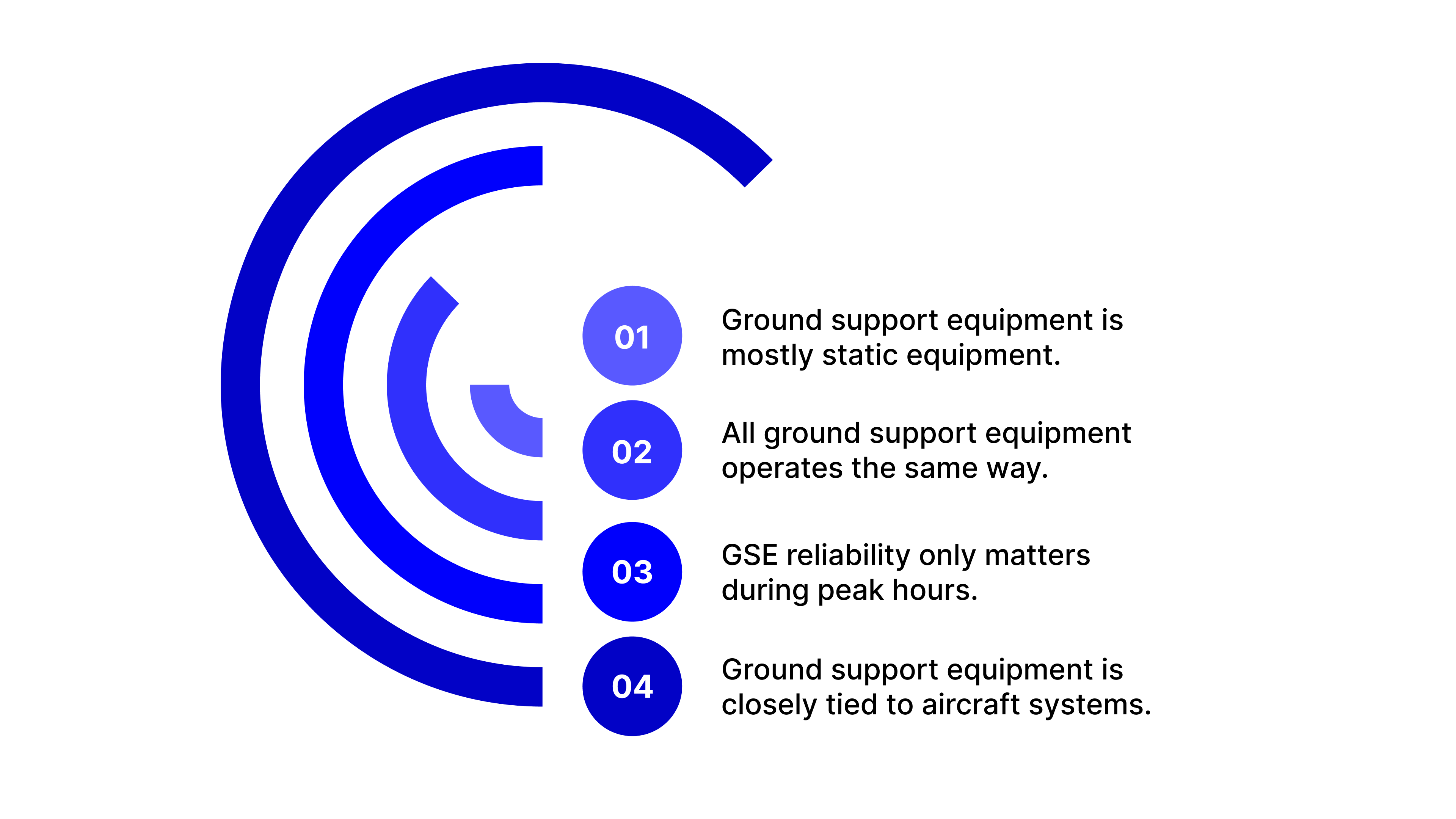
“Ground support equipment is mostly static equipment.”
In practice, vehicles perform the majority of time-critical ground tasks. Static equipment supports operations but does not drive them.
“All ground support equipment operates the same way.”
GSE vehicles operate under very different conditions than terminal equipment or industrial vehicles. Stop-start cycles, idle time, and outdoor exposure shape how they perform and fail.
“GSE reliability only matters during peak hours.”
Issues with ground support vehicles often develop outside peak periods. If equipment is unavailable when demand rises, recovery becomes difficult and delays compound quickly.
“Ground support equipment is closely tied to aircraft systems.”
Ground support equipment operates around aircraft, not within them. Maintenance, sourcing, and performance considerations are driven by ground operations, not onboard systems.
Conclusion
In aviation, ground support equipment is best understood as a vehicle-driven system. These vehicles move aircraft, handle baggage and cargo, provide ground power, and support turnaround activity on the ramp. They carry most of the operational load and present the highest risk when reliability slips.
For you, this makes vehicle-focused planning essential. GSE vehicles operate under stop-start cycles, outdoor exposure, and tight operating windows that directly influence maintenance and component selection.
Companies such as FSR Products specialize in manufacturing radiators exclusively for airport ground support equipment vehicles, supporting cooling reliability in these demanding conditions.
If you are evaluating or planning components for your GSE fleet, you can contact us to discuss vehicle-specific requirements and considerations.
FAQs
1. What is considered ground support equipment in aviation?
Ground support equipment refers to vehicles used to support aircraft while on the ground, such as tugs, belt loaders, cargo loaders, and ground power units operating airside.
2. Is ground support equipment the same as aircraft equipment?
No. Ground support equipment operates around aircraft on the ground. It does not include onboard aircraft systems or in-flight equipment.
3. Who typically owns and maintains ground support equipment?
Ground support equipment may be owned and maintained by airports, airlines, or third-party ground handling providers, depending on the operating model.
4. Why are ground support vehicles critical to airport operations?
These vehicles handle time-sensitive tasks such as aircraft movement, baggage handling, and ground power. When they are unavailable, delays escalate quickly.
5. Are all ground support equipment vehicles the same across airports?
No. Vehicle types may be similar, but operating conditions, duty cycles, and maintenance requirements vary by airport and operation scale.