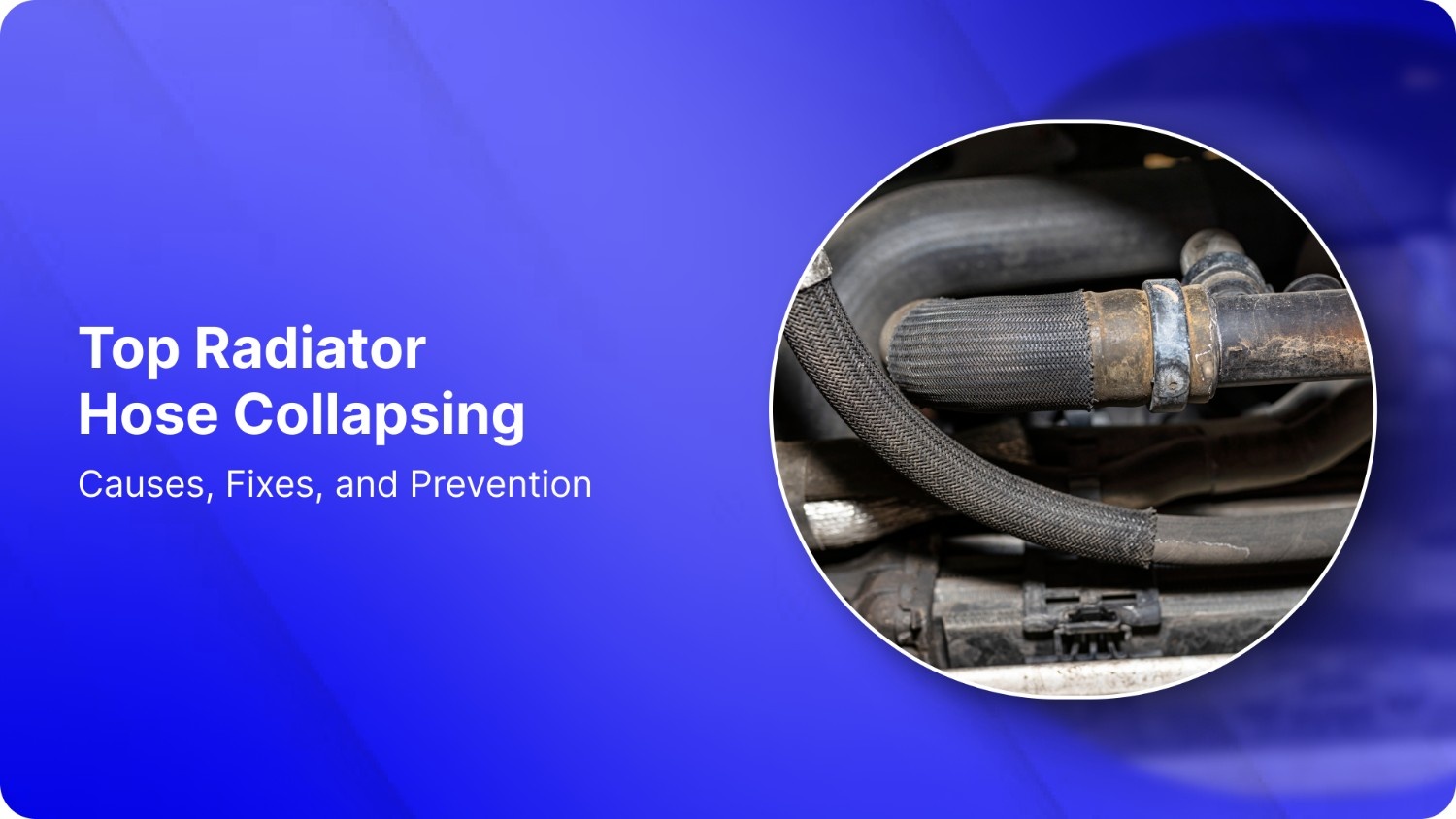
When a radiator hose collapses, it is rarely a random event. In airport ground support equipment, this issue often signals an underlying cooling system imbalance that can affect reliability, uptime, and maintenance planning.
You may notice the problem during inspection, after shutdown, or when equipment does not behave as expected during operation.
Left unaddressed, a collapsed hose can restrict coolant flow, increase heat stress, and lead to repeat issues that disrupt daily ground operations.
This guide explains why the top radiator hose collapses, what typically causes it in ground support equipment, and how you can identify, correct, and prevent the issue. The focus stays on practical understanding that supports better maintenance decisions and more predictable equipment performance.
Key Takeaways
A collapsed hose is a system signal. It usually points to pressure, airflow, or circulation issues rather than a single failed part.
When it collapses, matters. A collapse after shutdown and a collapse during operation indicate different underlying problems.
Replacing parts without diagnosis increases repeat failures. Addressing the root cause reduces downtime and unnecessary replacements.
Cooling reliability supports operational stability. A clear understanding of hose collapse helps you plan maintenance more predictably and protect equipment uptime.
What It Looks Like When a Radiator Hose Collapses?
A collapsed radiator hose is usually easy to spot once you know what to look for. In most cases, the hose appears flattened or sucked inward instead of holding its normal round shape.
Common signs you may notice include:
The top radiator hose looks compressed or pinched when the engine is off
The hose feels unusually soft or lacks structure when squeezed
The collapse improves or disappears once the engine starts and warms up
In some cases, the collapse is temporary and only visible after shutdown. In others, the hose remains partially collapsed during operation, which can restrict coolant flow.
It is important to distinguish this from surface wear or minor deformation. A true collapse changes the internal shape of the hose and can interfere with cooling system circulation, especially under load.
Why Radiator Hoses Collapse: How Cooling Systems Behave?
To understand why a top radiator hose collapses, it helps to look at how the cooling system behaves as temperatures change during operation and shutdown.
When your equipment is running, the cooling system operates under pressure. Coolant expands as it heats up, and that pressure helps maintain steady circulation through the radiator and hoses.
Once the engine is shut down and begins to cool, the opposite happens. Coolant contracts, and pressure drops.
At this stage, the system should allow air or coolant to move back in smoothly to balance the pressure. If that balance does not happen, a vacuum can form inside the cooling system.
The top radiator hose is often the first place this vacuum shows up because it is exposed to suction as coolant pulls back toward the engine.
In ground support equipment, this effect can be more noticeable due to:
Frequent shutdowns between short operating cycles
Long idle periods after work are completed
Cooling systems that do not fully stabilize between uses
When the system cannot equalize pressure during cooldown, the hose may collapse inward instead of holding its shape. This behavior points to a system issue rather than a hose-only problem, which is why identifying the root cause matters before replacing parts.
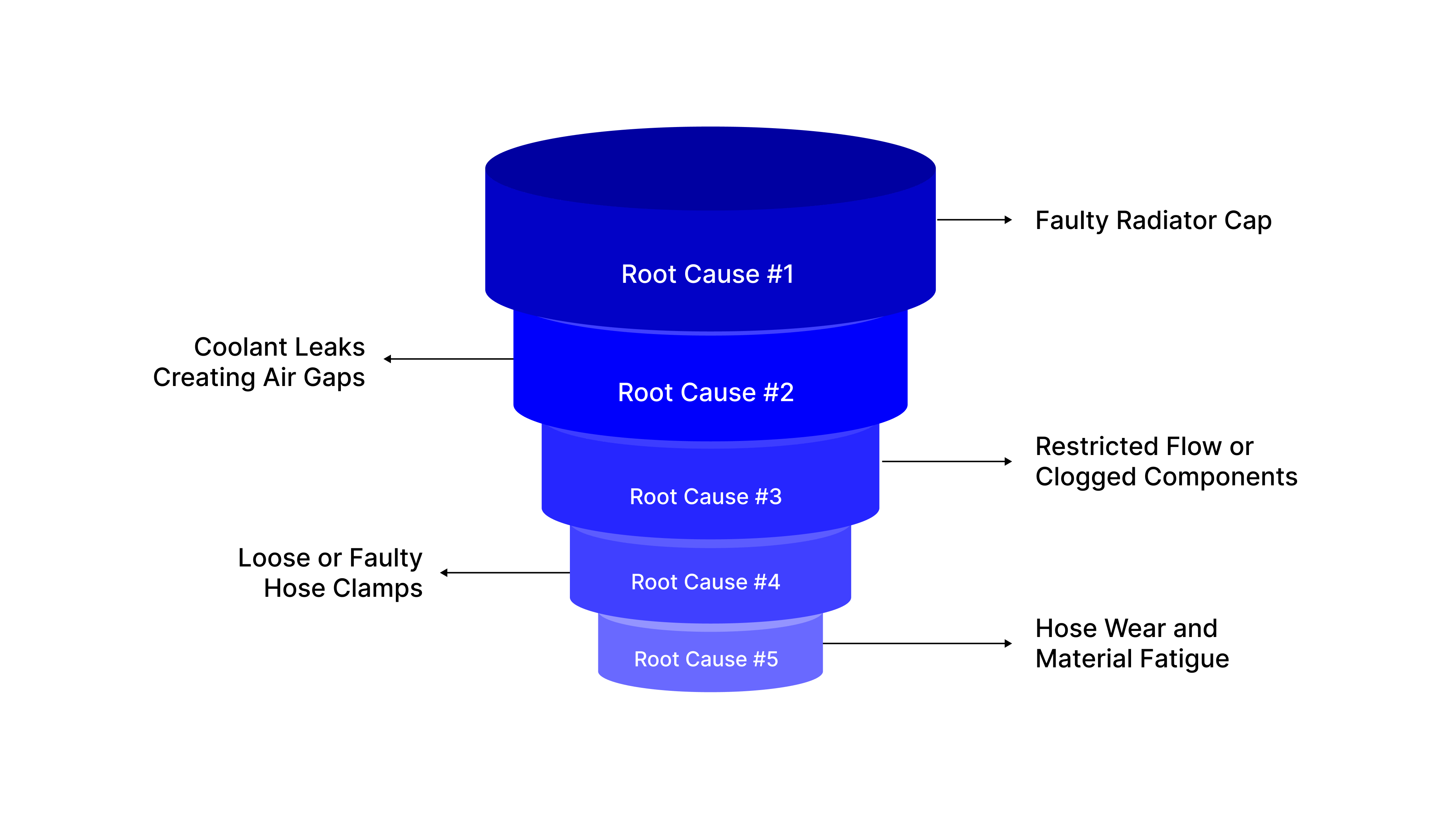
Root Cause #1: Faulty Radiator Cap (Most Common)
A faulty radiator cap is one of the most common reasons a top radiator hose collapses. While the cap is a small component, it plays a critical role in pressure control.
When your equipment is running, the radiator cap helps maintain the correct pressure in the cooling system. As the system cools down, the cap should also allow pressure to equalize by letting coolant or air move back into the system. If it cannot do that, a vacuum can form.
That vacuum pulls inward on the upper radiator hose, causing it to collapse.
Signs the radiator cap may be the issue include:
Hose collapse that appears after shutdown, not during operation
Repeated hose deformation even after replacement
No visible coolant leaks, but ongoing pressure imbalance
In ground support equipment, frequent stop-start cycles make proper pressure regulation even more important.
When evaluating cooling system reliability, it helps to look at the system as a whole rather than treating the hose as an isolated failure.
Manufacturers focused on GSE cooling systems, such as FSR Products, design around these operating patterns rather than general automotive assumptions.
Root Cause #2: Coolant Leaks Creating Air Gaps
Coolant leaks do not always show up as obvious puddles. Small leaks can gradually introduce air into the cooling system, which disrupts pressure balance and contributes to hose collapse.
When coolant levels drop:
Air enters the system
Pressure behavior becomes inconsistent
Vacuum conditions are more likely during cooldown
Over time, this vacuum pulls on the top radiator hose, especially when the engine cools and the coolant contracts.
Common sources of air entry include:
Minor hose seepage
Aging connections
Reservoir or cap interface issues
From a maintenance perspective, the challenge is that the hose collapse may be the first visible symptom, not the leak itself. This is why it helps to look beyond the hose and check the broader cooling system when the problem appears.
Root Cause #3: Restricted Flow or Clogged Components
Restricted coolant flow can also lead to a collapsing top radiator hose. When coolant cannot circulate freely, pressure changes inside the system become uneven.
Restrictions may come from:
Internal radiator blockage
Debris or buildup within hoses
Flow limitations in related cooling components
When flow is restricted, coolant movement slows during operation and cooldown. As temperatures drop, the system may pull coolant unevenly, creating suction at the upper hose.
This type of collapse often behaves differently from pressure-related issues:
The hose may stay partially collapsed during operation
Temperature control may feel inconsistent
The issue may worsen over time rather than appearing suddenly
For you, these points highlight the importance of checking flow conditions before replacing parts. Addressing restrictions early helps avoid repeated hose failures and supports more stable cooling system performance.
Root Cause #4: Loose or Faulty Hose Clamps
Hose clamps are easy to overlook, but they play a key role in keeping the cooling system sealed. When clamps are loose, misaligned, or worn, they allow small amounts of air to enter the system.
That air may not cause an immediate leak you can see, but it disrupts the pressure balance. As the system cools, air pockets make it harder for pressure to equalize. This increases the chance of vacuum forming, which can pull the top radiator hose inward.
Clamp-related issues often show up as:
Hose collapses without obvious coolant loss
Inconsistent behavior from one operating cycle to the next
Problems that persist even after hose replacement
From a maintenance standpoint, clamp condition should always be checked alongside hoses. A collapsed hose caused by air intrusion will likely return if the sealing issue is not addressed.
Root Cause #5: Hose Wear and Material Fatigue
Over time, radiator hoses lose structural strength. Heat exposure, age, and repeated pressure changes gradually weaken the hose walls, making them more susceptible to collapse.
A worn hose may still look acceptable from the outside, but internally it can lose rigidity. Once that happens, even normal vacuum conditions during cooldown can cause it to deform.
Signs that hose wear may be contributing include:
A soft or spongy feel when squeezed
Visible deformation that does not fully recover
Collapse occurs more frequently over time.
In ground support equipment, hoses are exposed to repeated short-duty cycles and extended idle periods.
That combination accelerates material fatigue. Replacing hoses based on condition rather than waiting for visible failure helps reduce recurring cooling issues and unplanned downtime.
When It Happens: Cold Engine vs Driving or Revving?
When the top radiator hose collapses can tell you a lot about what is happening inside the cooling system. The timing often points directly to the underlying cause.
Collapse after shutdown or on a cold engine
This is the most common scenario. The hose looks normal while the equipment is running, then appears flattened after shutdown.
This pattern usually indicates:
A vacuum forming as the system cools
Pressure is not equalizing properly
Issues related to the radiator cap, air entry, or sealing
In ground support equipment, frequent shutdowns between tasks make this behavior more noticeable.
Collapse during operation or while revving
If the hose collapses while the engine is running, the issue is typically more serious.
This behavior often points to:
Restricted coolant flow
Internal blockage
Components that prevent proper circulation
In this case, the hose is responding to suction caused by flow imbalance rather than cooldown vacuum. This distinction helps you prioritize inspection and avoid treating all hose collapses as the same problem.
Quick Diagnostic Steps for Any Hose Collapse
When you notice a collapsed top radiator hose, a structured check helps you narrow down the cause before replacing parts.
Start with these practical steps:
Observe when the collapse occurs: Note whether it happens after shutdown, during operation, or both.
Check coolant level and consistency: Low levels or signs of air entry often point to leaks or sealing issues.
Inspect the radiator cap: Look for signs of wear, poor seating, or inconsistent pressure behavior.
Examine hose condition and clamps: Check for soft spots, deformation, or clamps that may allow air in.
Consider recent changes or repeat patterns: Recurring collapse after part replacement often signals a system issue rather than a single failed component.
These steps help you decide whether the issue is isolated or part of a broader cooling system imbalance. That clarity supports better maintenance decisions and reduces the chance of repeat failures.
Practical Solutions and Fixes
Once you identify why the top radiator hose is collapsing, the fix usually becomes clear. The key is addressing the root cause rather than replacing parts in isolation.
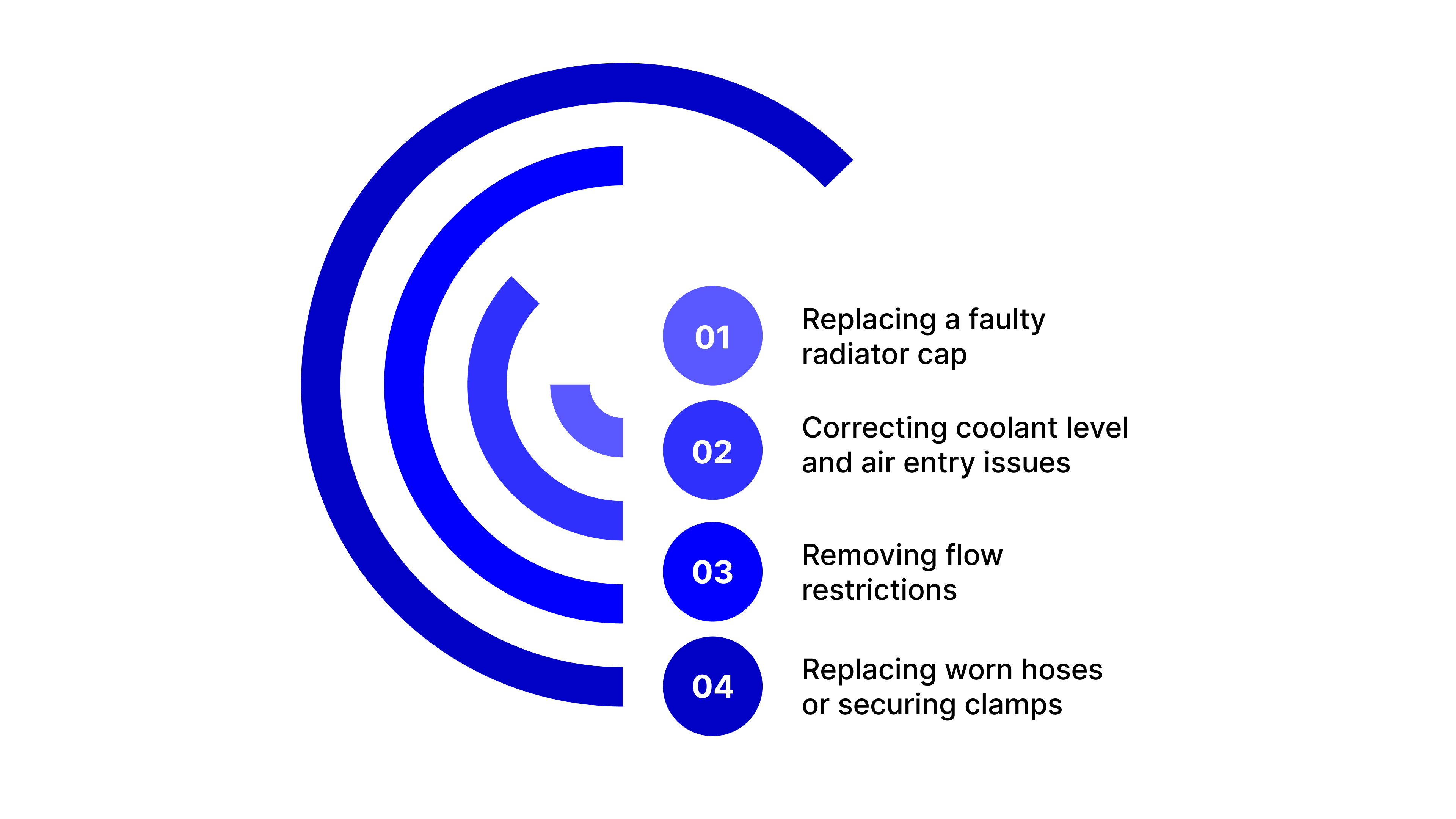
Common corrective actions include:
Replacing a faulty radiator cap: This often resolves collapse issues that appear after shutdown or cooldown.
Correcting coolant level and air entry issues: Sealing leaks and restoring proper fill helps stabilize pressure behavior.
Removing flow restrictions: Clearing blockages or addressing restricted components restores balanced circulation.
Replacing worn hoses or securing clamps: This restores structural integrity and prevents air from entering the system.
For ground support equipment, repeated hose collapse is a sign to review the cooling system as a complete unit.
Manufacturers that focus specifically on airport ground support equipment radiators, such as FSR Products, design components around these operating realities, which helps reduce repeat issues tied to pressure imbalance.
How to Prevent Radiator Hose Collapse Long-Term?
Preventing hose collapse is less about reacting to failures and more about maintaining consistency across the cooling system.
A practical prevention approach includes:
Scheduling routine inspections for hoses, clamps, and caps
Replacing aging hoses before they lose structural strength
Monitoring coolant levels to prevent air entry
Addressing minor leaks early, before they affect the pressure balance
In airport ground support equipment, short duty cycles and frequent shutdowns place repeated stress on cooling systems.
Preventive checks built into regular maintenance schedules help avoid unexpected hose collapse and support more predictable equipment performance over time.
When to Contact a Cooling System Specialist?
In many cases, a collapsed top radiator hose can be resolved by addressing a clear cause. There are situations, however, where escalation makes sense.
You should consider involving a cooling system specialist when:
The hose continues to collapse after replacing common components
Multiple cooling system parts show repeat issues
The problem appears across more than one piece of equipment
Cooling behavior remains inconsistent despite corrective actions
At this stage, the issue is usually not a single failed part. It is often related to system design, component compatibility, or operating conditions.
Working with suppliers that focus exclusively on airport ground support equipment cooling systems, such as FSR Products, can help you evaluate whether your system components are aligned with how your equipment actually operates.
Conclusion
A collapsing top radiator hose is a signal, not a random failure. In ground support equipment, it usually points to pressure imbalance, air entry, restricted flow, or component fatigue within the cooling system.
Understanding when the collapse occurs, what causes it, and how cooling systems behave during operation and cooldown helps you respond more effectively. It also reduces the risk of replacing parts without addressing the underlying issue.
For you, this clarity supports better maintenance planning, fewer repeat problems, and more predictable equipment performance. When radiator hoses, caps, and related components are evaluated as part of a complete system, cooling reliability improves.
If you need application-specific guidance for ground support equipment cooling systems, you can contact us to discuss your requirements.
FAQs
1. Can a collapsed top radiator hose cause overheating?
Yes. A collapsed hose can restrict coolant flow, which reduces heat removal. Over time, this can lead to unstable operating temperatures and overheating under load.
2. Is the top radiator hose collapse always caused by a bad hose?
No. In many cases, the hose collapses because of pressure imbalance, air entry, or restricted flow elsewhere in the cooling system. Replacing the hose alone may not resolve the issue.
3. Why does the hose collapse only after shutdown?
After the shutdown, the coolant cools and contracts. If the system cannot equalize pressure properly, a vacuum forms and pulls the hose inward.
4. Can this issue affect multiple pieces of equipment in a fleet?
Yes. If similar components, maintenance practices, or operating conditions are shared across equipment, the same issue can appear repeatedly.
5. Should a collapsed hose be treated as urgent?
It should not be ignored. Even if performance seems normal, a collapsing hose signals a cooling system imbalance that can lead to more serious failures if left unresolved.