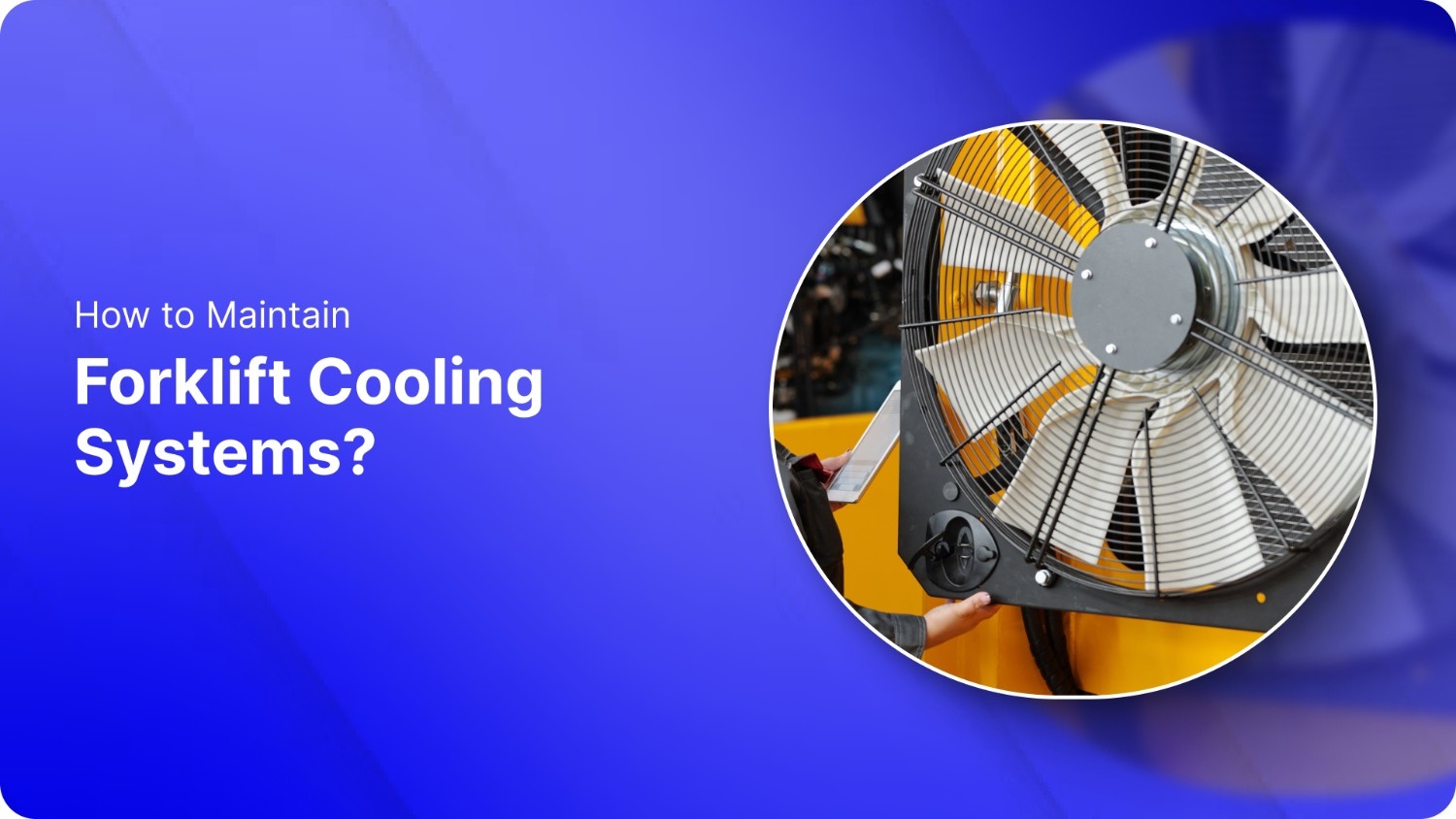
Forklifts are essential for ground operations at airports, but without a properly maintained cooling system, they can quickly overheat and lead to costly downtime. Are you confident that your forklifts' cooling systems are running at their peak performance?
The forklift cooling system is the backbone of maintaining engine health, especially in demanding airport environments. If not regularly checked, radiator issues and coolant problems can quickly escalate, compromising the forklift's efficiency and lifespan.
This guide will walk you through critical maintenance tasks and troubleshooting tips to keep your forklift cooling system working optimally. By implementing these practices, you'll ensure your equipment runs reliably, saving you time and money in the long run.
Quick look
Forklift cooling system maintenance is essential to prevent overheating and improve performance in demanding environments like airports.
Key components include radiators, coolant, water pumps, and belts/hoses.
Common issues like overheating or coolant leaks can lead to engine failure if not addressed.
Regular maintenance, such as checking coolant levels and cleaning radiators, ensures efficient system operation.
Troubleshooting involves inspecting the fan, water pump, and hoses for damage or wear.
What is a Forklift Cooling System?
A forklift cooling system regulates engine temperature by preventing overheating, ensuring the forklift operates efficiently during long hours in high-demand environments like airports. The cooling system typically consists of a radiator, coolant, and water pump, all working together to keep the engine at a safe temperature.
Components of a forklift cooling system
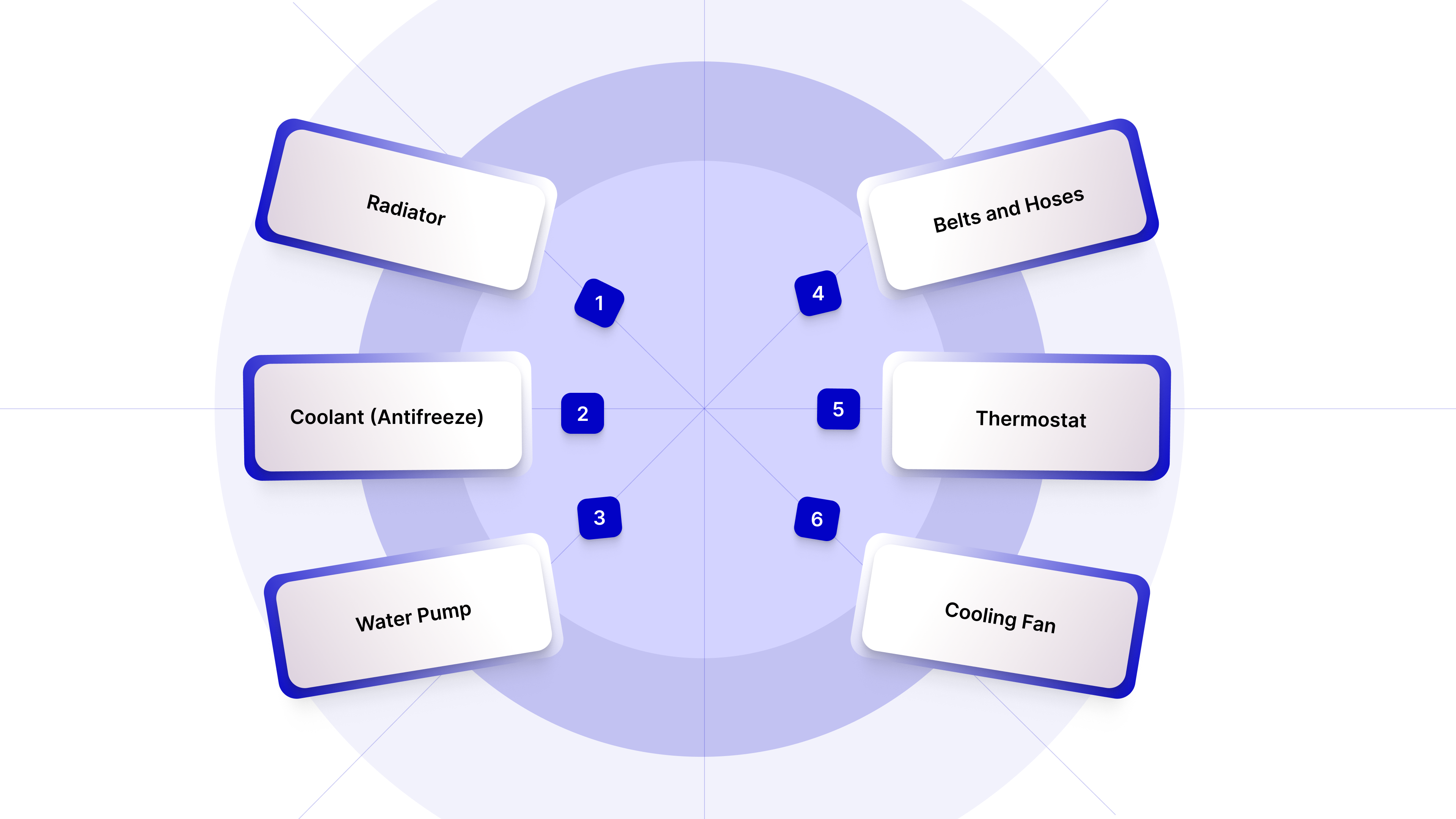
Radiator
Function: Cools the hot coolant, releasing heat absorbed from the engine.
How it Works: Coolant flows through tubes, while air passes over fins to dissipate heat.
Material: Typically made of aluminum or copper for optimal heat transfer.
Coolant (Antifreeze)
Function: Absorbs heat from the engine and prevents freezing.
How it Works: Circulates through the engine, absorbing heat and carrying it to the radiator.
Composition: A mix of ethylene glycol or propylene glycol with water, plus rust inhibitors.
Water Pump
Function: Circulates coolant throughout the engine and radiator.
How it Works: Driven by a belt, it maintains coolant flow, preventing hot spots.
Location: Typically near the engine block.
Belts and Hoses
Function: Keep the system sealed and ensure smooth coolant flow.
How they Work: Belts drive the water pump, and hoses carry coolant to/from the radiator and engine.
Material: Reinforced rubber for durability and flexibility.
Thermostat
Function: Regulates coolant flow based on engine temperature.
How it Works: Opens at a specific temperature (usually 195°F/90°C), allowing coolant to flow to the radiator.
Cooling Fan
Function: Assists with air circulation through the radiator.
How it Works: Powered by a belt or electric motor, it helps cool the coolant, especially at low speeds.
With a solid understanding of the key components, let's look into the common forklift cooling system issues you might face and how to address them before they cause major problems.
5 Common Forklift Cooling System Issues
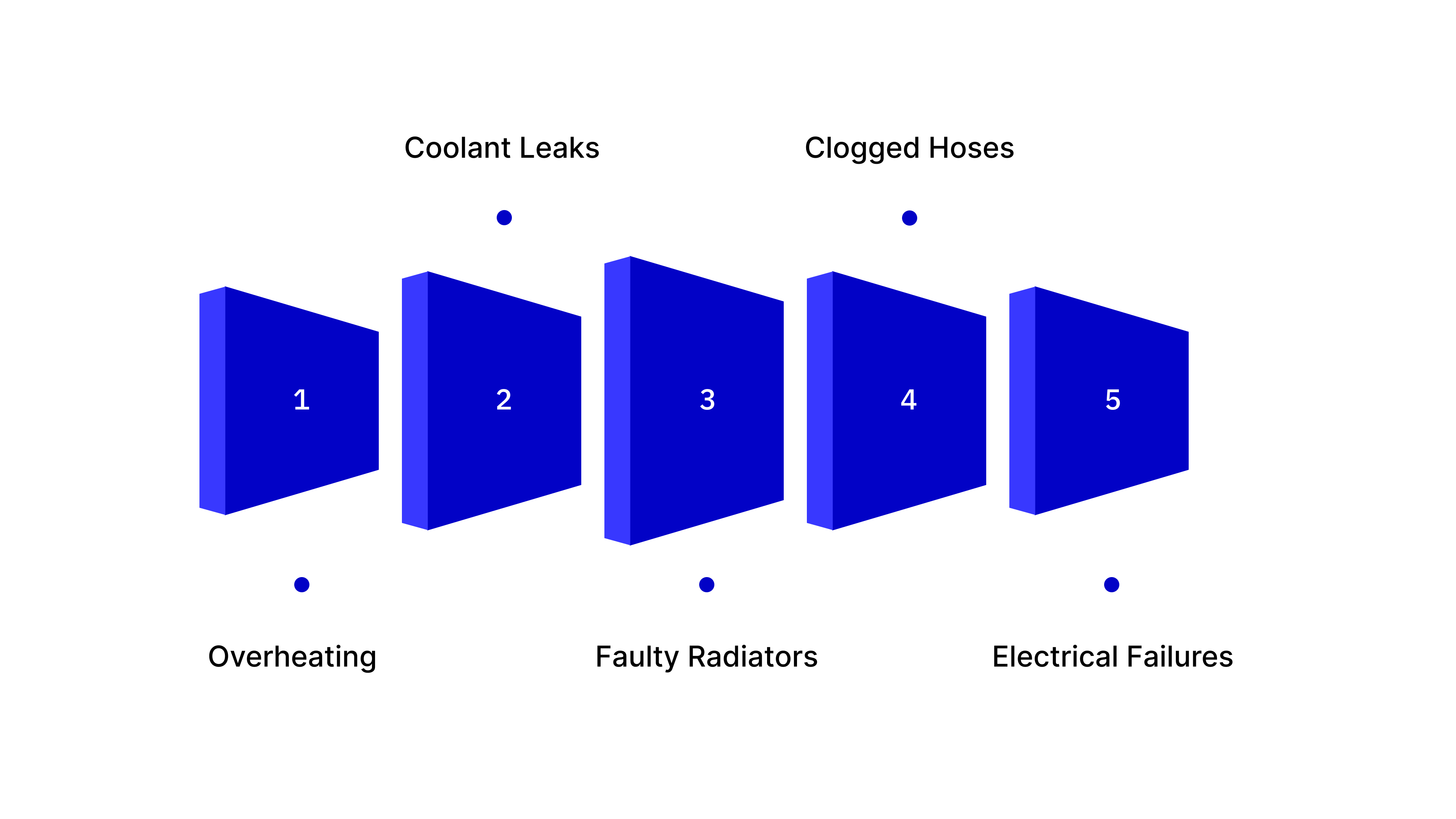
Forklifts rely on a well-maintained cooling system to prevent engine overheating and ensure efficient performance. However, several issues can disrupt this system, leading to costly downtime. Identifying these issues early can save both time and money by allowing for quicker repairs and better maintenance.
Here are the most common cooling system problems:
Overheating
Overheating is one of the most common issues in forklift cooling systems. Symptoms include:
Warning lights or gauge readings showing high temperatures.
Loss of power or engine stuttering during operation.
Causes:
Low coolant levels: Often due to leaks or improper maintenance.
Blocked or damaged radiator: Dirt, debris, or physical damage restricting airflow.
Faulty water pump or fan: If the pump isn’t circulating coolant or the fan isn’t cooling effectively.
Coolant Leaks
Coolant leaks can lead to a system running dry, causing the engine to overheat. Look for signs like:
Puddles or damp areas under the forklift.
Decreased coolant levels despite frequent refills.
Causes:
Cracked hoses or radiator leaks: Typically caused by age or physical damage to components.
Loose connections: Unsecured fittings may lead to leaks, especially under high pressure.
Faulty Radiators
A malfunctioning radiator will hinder the cooling system’s ability to dissipate heat, causing overheating. Look for:
Visible corrosion, clogs, or physical damage such as bent fins or punctured tubes.
Increased engine temperatures despite regular coolant levels.
Causes:
Accumulation of dirt or debris blocking airflow through the radiator.
A damaged core or physical punctures reducing the radiator’s efficiency.
Clogged Hoses
Blocked hoses can restrict the flow of coolant, leading to poor engine cooling and overheating. Symptoms include:
Slow coolant flow or noticeable pressure buildup in hoses.
Reduced engine performance as heat fails to dissipate properly.
Causes:
Dirt or debris buildup inside hoses restricting coolant circulation.
Aged or cracked hoses lose flexibility, making them more prone to clogs.
Electrical Failures
Forklifts rely on electrical systems to power fans and pumps for cooling. If these components fail, the cooling system won’t work effectively. Watch for:
Non-functioning cooling fan or water pump.
Overheating or erratic temperature readings due to lack of coolant circulation.
Causes:
Blown fuses or damaged wiring affecting electrical components.
Malfunctioning motors in the cooling fan or water pump.
By recognizing these common issues early, you can take proactive steps to keep your forklift cooling system in top shape.
Let's move on to the essential step-by-step maintenance practices that will help keep your system running smoothly and prevent these problems from arising.
Step-by-Step Forklift Cooling System Maintenance
Proper maintenance of your forklift cooling system is essential for preventing overheating and ensuring long-term performance. Regular checks and upkeep of key components can reduce the risk of breakdowns and costly repairs.
Here’s how to maintain your forklift cooling system:
Check Coolant Levels
Why it matters: Low coolant levels can lead to engine overheating.
How to do it:
Turn off the engine and let it cool.
Check the coolant reservoir for proper levels.
If coolant is low, top it off with the recommended antifreeze and water mixture.
Inspect Radiators for Damage
Why it matters: A damaged radiator will compromise cooling performance.
How to do it:
Visually inspect the radiator for cracks, leaks, or damage.
Look for signs of corrosion, debris buildup, or physical punctures.
Clean the radiator fins using compressed air or a soft brush.
Clean the Radiator
Why it matters: Dirt and debris can block airflow, reducing cooling efficiency.
How to do it:
Turn off the forklift and allow it to cool.
Use compressed air to blow out dirt and debris from the radiator fins.
If necessary, flush the radiator with clean water to remove stubborn grime.
Flush the Cooling System
Why it matters: Flushing the system removes old coolant, dirt, and corrosion.
How to do it:
Drain the old coolant from the radiator and engine.
Add a radiator flushing solution to clear out rust and sludge.
Refill with fresh coolant as per the manufacturer’s guidelines.
Inspect Belts and Hoses
Why it matters: Worn belts or cracked hoses can lead to coolant leaks and system failure.
How to do it:
Check the hoses for cracks, bulges, or signs of wear.
Inspect belts for fraying or damage, and replace if necessary.
Ensure all hoses are properly secured to prevent leaks.
Test the Water Pump and Cooling Fan
Why it matters: A malfunctioning pump or fan can lead to inadequate coolant circulation.
How to do it:
Start the forklift and check if the fan runs smoothly.
Listen for any irregular sounds from the water pump or fan motor.
Replace any faulty components to ensure proper airflow and coolant flow.
Now that you have a clear maintenance routine, let’s explore how to troubleshoot common cooling system problems to avoid major breakdowns.
5 Troubleshooting Common Forklift Cooling Problems
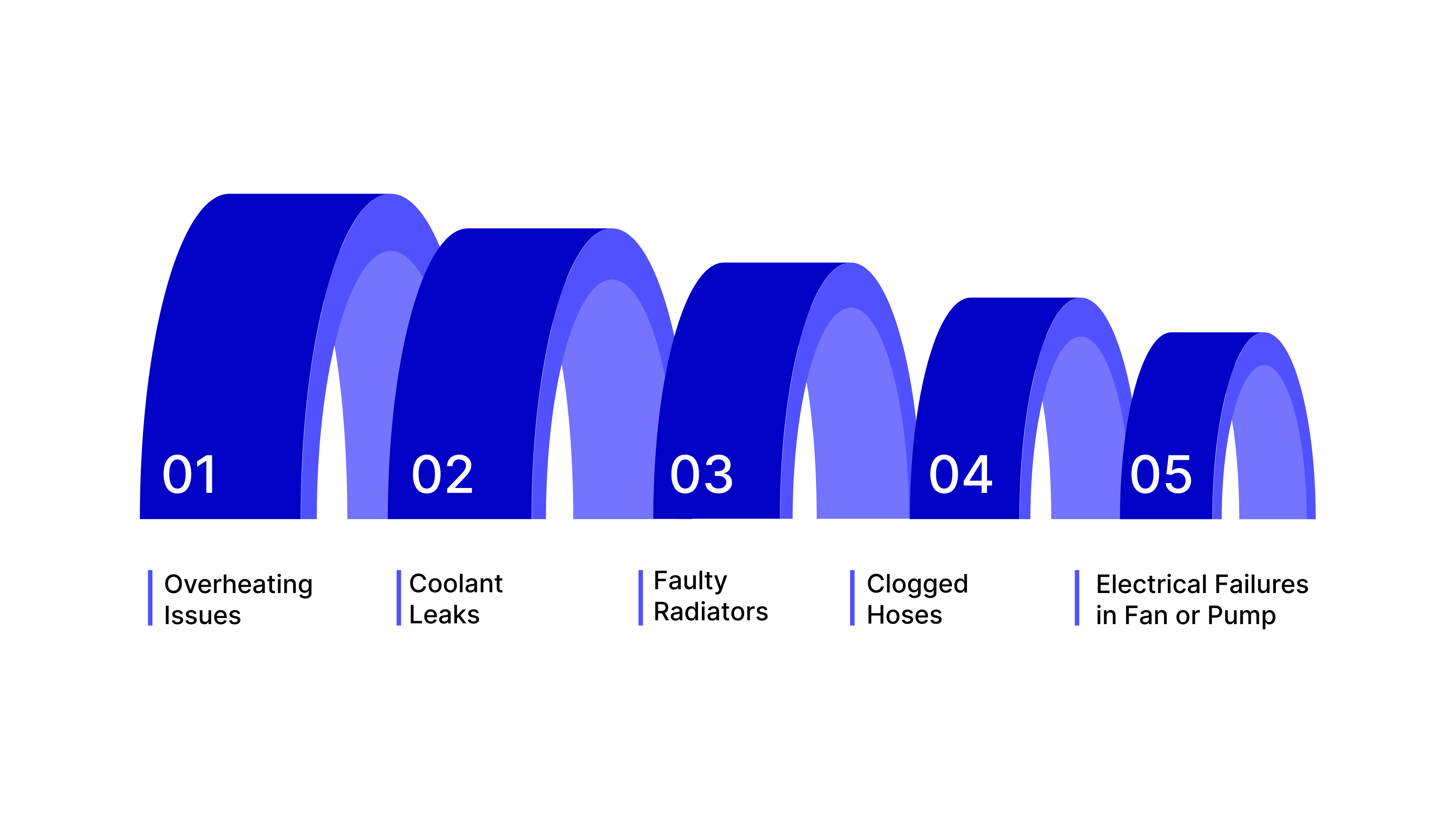
Forklift cooling system issues can escalate quickly if not addressed promptly. Effective troubleshooting requires identifying the root cause and taking immediate action to avoid costly repairs or operational disruptions.
Here's how to approach common forklift cooling system problems with practical and specific solutions.
Overheating Issues
Problem: If the forklift is overheating, it may be due to insufficient coolant flow.
Troubleshooting:
Check the radiator for blockages: Look for dirt or debris that might be obstructing airflow. Clean thoroughly if necessary.
Inspect coolant quality: If the coolant looks dirty or has a strange odor, replace it. Old coolant may lose its ability to properly regulate engine temperature.
Examine the fan: Ensure the cooling fan is operating correctly. If it’s not running, inspect the fan motor and electrical connections.
Coolant Leaks
Problem: Leaking coolant can reduce the system’s ability to cool effectively.
Troubleshooting:
Check hoses and connections: Look for cracks or wear in the coolant hoses, especially near joints and connections.
Inspect the radiator for leaks: Any visible coolant residue around the radiator points to a leak, requiring either a sealant or replacement of the damaged part.
Check the water pump: If the water pump is leaking coolant, it’s often due to a worn-out seal that needs replacing.
Faulty Radiators
Problem: A faulty radiator can lead to poor heat dissipation, causing overheating.
Troubleshooting:
Inspect radiator fins: Check if the radiator fins are bent, clogged with debris, or have accumulated rust. These issues can block airflow and need to be cleaned or replaced.
Look for internal blockages: Use a flashlight to look inside the radiator for sludge or corrosion buildup, which could be blocking coolant flow. Flushing may be required to clear these blockages.
Clogged Hoses
Problem: Clogged hoses prevent coolant from circulating properly, leading to overheating.
Troubleshooting:
Check coolant flow: If you suspect a clogged hose, check the coolant flow by squeezing the hoses. If the flow feels restricted, there may be an internal blockage.
Remove debris: Use compressed air to blow out any debris or dirt from the hoses, ensuring there is no obstruction.
Inspect hose condition: Cracked or brittle hoses may collapse under pressure, leading to blockages. Replace any worn hoses immediately.
Electrical Failures in Fan or Pump
Problem: If the fan or water pump isn’t working, it can lead to insufficient cooling.
Troubleshooting:
Check for power issues: Inspect the electrical connections to the fan and water pump for any loose or corroded connections.
Test the fan motor: Use a multimeter to test the fan motor’s continuity. If it fails the test, it may need replacing.
Ensure proper fan operation: The fan should start immediately when the engine reaches operating temperature. If it’s not, check the fan relay and wiring.
Now that you know how to troubleshoot and maintain your forklift cooling system, FSR Products offers high-performance cooling solutions specifically designed for airport ground support equipment.
FSR Products: High-Performance Forklift Cooling Solutions
At FSR Products, we specializes in providing high-performance forklift radiators personalized for airport ground support equipment (GSE).
Our products are designed to meet the unique cooling needs of heavy-duty forklifts used in critical airport operations.
Why FSR Products is the Ideal Choice for Forklift Cooling:
Custom-built forklift radiators designed for airport ground support equipment.
Durable, high-quality materials ensure long-lasting performance in extreme conditions.
Precision engineering guarantees optimal cooling, reducing downtime and maintenance costs.
Made in the USA, with a focus on reliability and performance for industrial applications.
With FSR Products, you can trust that your forklift cooling system will perform at its best, ensuring maximum uptime and operational efficiency.
Wrapping Up
Maintaining and troubleshooting your forklift cooling system is crucial for preventing overheating and ensuring smooth operations. Regular checks, proper maintenance, and quick troubleshooting can help avoid costly repairs and downtime.
FSR Products offers high-performance forklift radiators built for reliability in demanding airport ground support environments. Our custom-built solutions ensure optimal cooling, durability, and long-lasting performance for your forklifts.
Contact us today to learn how our radiators can improve your forklift's cooling system.
FAQs
How often should I check the coolant levels in my forklift?
It's recommended to check coolant levels weekly or before each shift, especially in high-demand environments like airports. Regular checks help prevent overheating and ensure the system functions properly.
What are the signs that my forklift radiator needs to be replaced?
If you notice persistent overheating, visible corrosion, or coolant leaks, it may be time to replace your forklift radiator. These issues can significantly impact cooling performance.
Can a clogged radiator cause engine damage in forklifts?
Yes, a clogged radiator can lead to improper cooling, which may cause the engine to overheat. Prolonged overheating can damage the engine and other internal components, leading to costly repairs.
How do I know if my forklift's water pump is failing?
Common signs of a failing water pump include coolant leaks, noisy operation, or overheating despite sufficient coolant levels. If you notice these, it's time to inspect or replace the water pump.
Is it necessary to flush the forklift cooling system every year?
Yes, it's recommended to flush the cooling system annually to remove dirt, corrosion, and old coolant. Flushing helps maintain optimal system efficiency and prevents blockages or overheating.