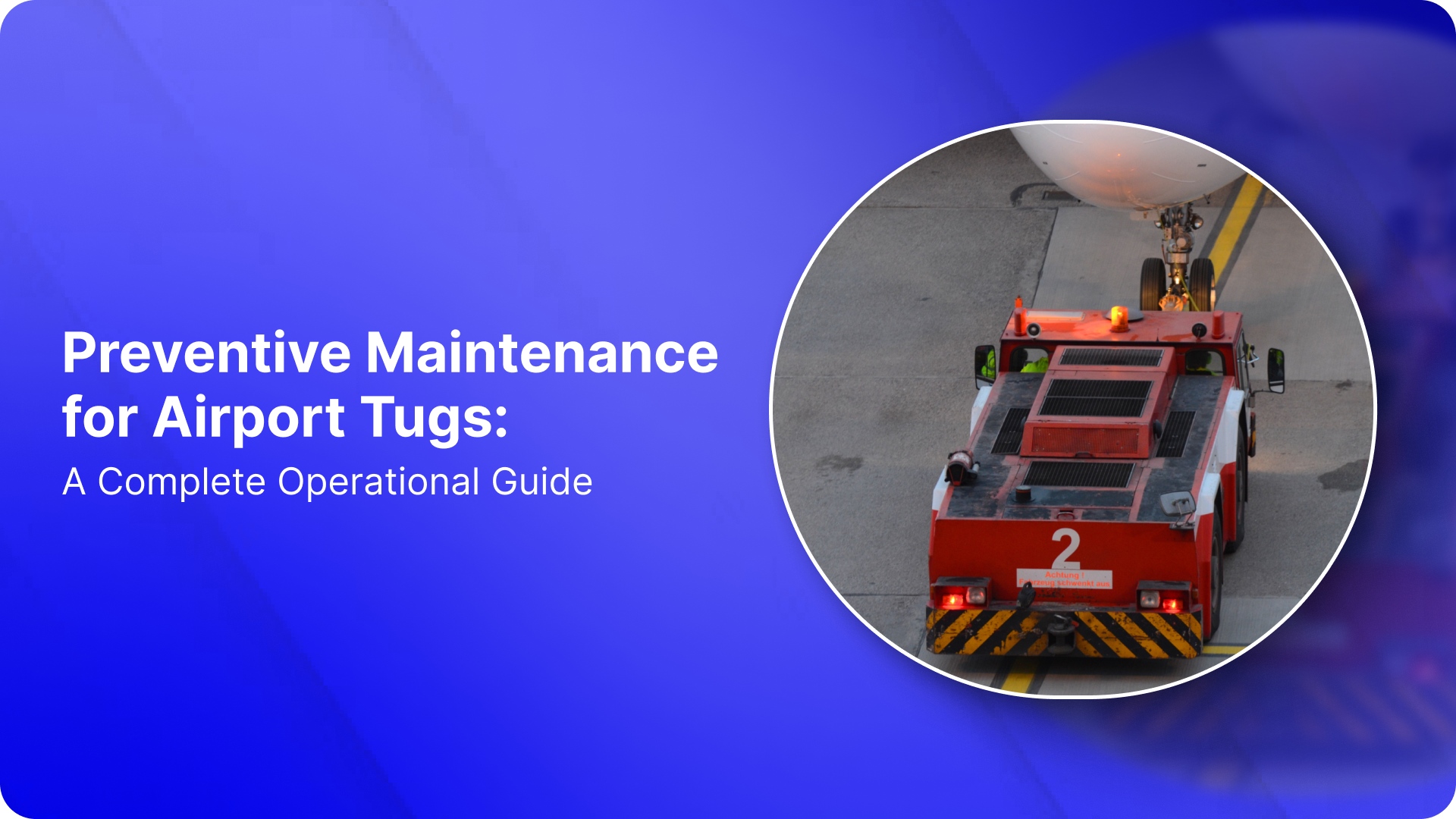

Airport ground delays are expensive, and small ramp issues can cascade into flight delays. For example, an Airports Council International (ACI) white paper citing Airlines for America (A4A) estimated aircraft block-time delay costs at about $78.1 per minute (taxi + airborne) in 2012. That’s why tug reliability matters: when a tug is down, aircraft movement slows, gates back up, and turnaround pressure spikes.
At airports, “tug vehicle” can mean two things: (1) aircraft tugs (pushback/towing tractors) that move aircraft at the gate and on the ramp, and (2) baggage tugs that pull baggage carts. This guide focuses on aircraft tugs used for pushback and repositioning of aircraft as part of ground support equipment (GSE).
In this article, you’ll learn what a tug vehicle at an airport is, the main tug types, practical safety principles, common operating challenges, and how radiator reliability supports tug uptime.
In a nutshell
Tug vehicles are essential for moving aircraft on the ground, ensuring smooth airport operations.
Types of tugs include conventional towbar tugs, towbarless tugs, and electric tugs, each with specific benefits.
Modern tug vehicles are designed for increased efficiency, safety, and environmental sustainability.
Key challenges include weather conditions, mechanical issues, and airport congestion, but they can be mitigated with the right equipment.
Proper radiator maintenance ensures optimal performance of tug vehicles during operations.
What Is a Tug Vehicle at an Airport?
A tug vehicle, often referred to as an aircraft tug, is a specialized piece of ground support equipment used to tow aircraft around the airport. These vehicles are designed to handle the size and weight of aircraft, allowing them to be safely moved between gates, runways, and maintenance areas.
Tug vehicles are equipped with powerful engines and precise steering systems to ensure smooth and safe towing operations. Understanding the role of these machines is essential for improving airport operations and logistics.
Now, let's explore the different types of tug vehicles commonly used at airports.
Types of Tug Vehicles Used at Airports
There are several types of tug vehicles used at airports, each designed for specific operational needs. Conventional towbar tugs, towbarless tugs, and electric tugs are the most commonly used models.
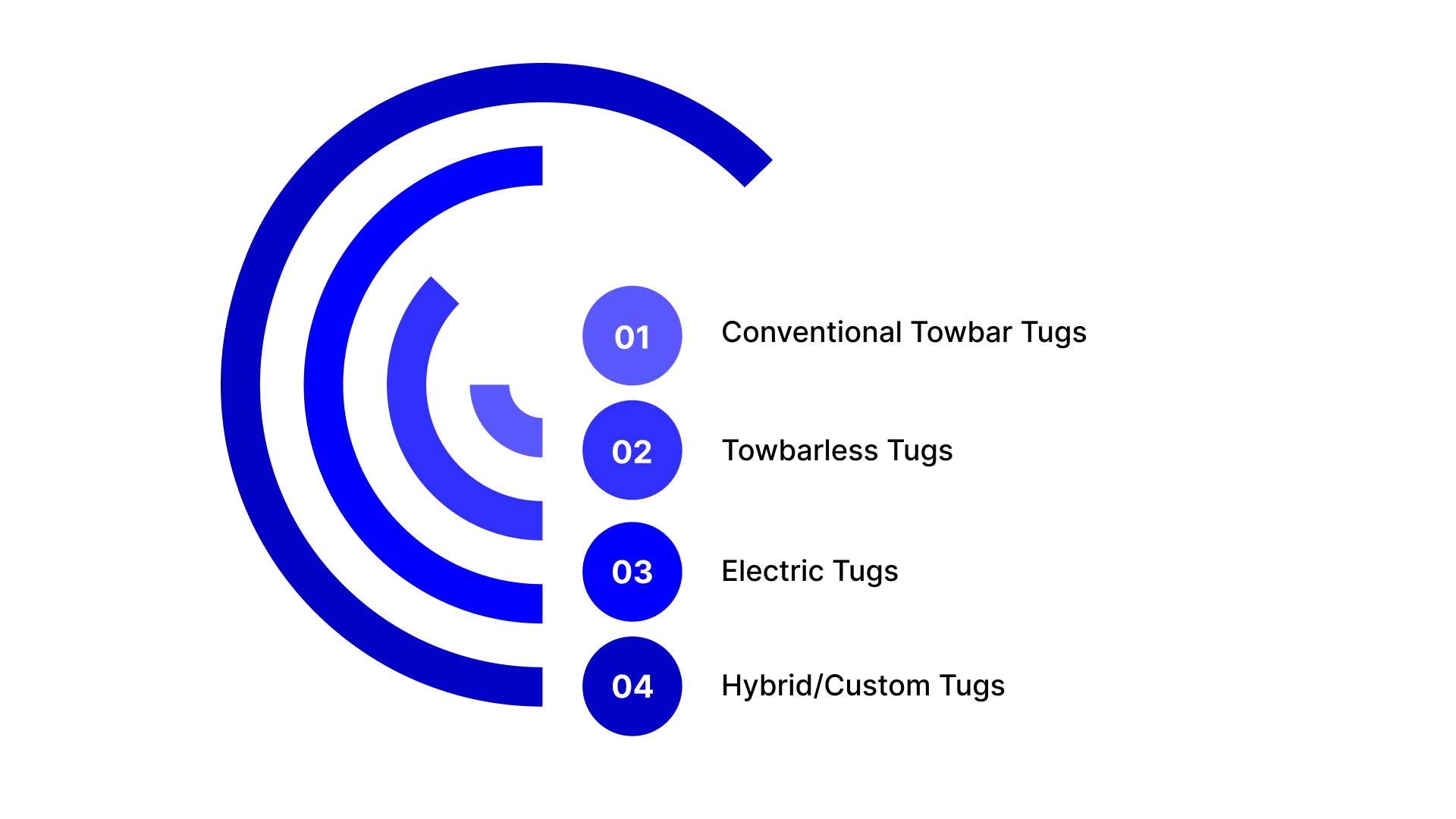
Let's take a closer look at each type of tug vehicle and its unique advantages.
Conventional Towbar Tugs
Conventional towbar tugs use a towbar to connect to the aircraft's nose gear, providing a reliable towing solution. They are commonly used at airports to move a wide variety of aircraft.
Design: These tugs rely on a mechanical towbar to connect to the aircraft's nose gear for towing.
Power: Powered by high-torque diesel engines, which provide the necessary power to move heavy aircraft.
Applications: Best suited for standard aircraft towing across various distances at airports with ample space for maneuvering.
Advantages:
Simple and reliable design with minimal technological complexity.
Cost-effective for airport operations with lower initial investment.
Ideal for large aircraft due to the high towing capacity of conventional engines.
Durable and effective in all weather conditions, making it a go-to for general aircraft movement.
Towbarless Tugs
Towbarless tugs connect directly to the nose wheel of an aircraft, eliminating the need for a towbar and offering superior maneuverability in tight airport spaces.
Design: Uses a direct coupling system to attach to the aircraft's nose wheel, allowing for more flexibility and efficient movement.
Power: Typically powered by diesel or electric engines, with a focus on energy efficiency and smooth operation.
Applications: Ideal for tight spaces such as crowded gate areas or high-traffic zones on the airport tarmac.
Advantages:
Increased maneuverability allows for easier turns and sharper movements.
Faster aircraft positioning with direct connection to the nose wheel.
Reduced wear and tear on both the aircraft and the towing system due to towbar-free operation.
Space-saving design makes it perfect for high-density areas, reducing congestion.
Electric Tugs
Electric tugs offer a sustainable alternative to traditional towing vehicles by using electric motors to tow aircraft, reducing the carbon footprint of airport operations.
Design: These tugs are fully powered by electric motors, typically featuring high-capacity batteries that can be charged between uses.
Power: Operates using electric energy, significantly reducing the reliance on diesel fuel and reducing operational emissions.
Applications: Used primarily in eco-conscious airports or areas with restrictions on emissions and noise levels.
Advantages:
Zero emissions make electric tugs an ideal choice for airports focusing on environmental sustainability.
Low operational costs due to the elimination of fuel costs and reduced maintenance needs.
Quiet operation reduces noise pollution, beneficial for airports in urban areas or near residential zones.
Efficient performance, with modern battery systems offering a decent range for continuous operations during peak hours.
Hybrid/Custom Tugs
Hybrid tugs combine the benefits of both electric and diesel power, offering flexibility and adaptability for airports with varying operational demands.
Design: Hybrid tugs feature a dual-power system, allowing the vehicle to switch between electric and diesel power depending on the task or energy efficiency needs.
Power: Uses both electric and diesel engines to provide improved performance and fuel savings during lighter operations, with diesel providing extra power when needed.
Applications: Suitable for airports that require versatile solutions, with the ability to tow both small aircraft and large jets in various operational conditions.
Advantages:
Energy-efficient as it uses electric power for lighter tasks and diesel for more demanding operations.
Provides customizability to meet the needs of different aircraft types and specific airport environments.
Longer operational range than electric-only tugs, while still benefiting from reduced fuel consumption during low-power mode.
Adaptable to various airport conditions, from environmentally conscious zones to areas requiring high towing capacity.
These different types of tug vehicles each serve a distinct purpose in optimizing airport operations. By selecting the appropriate tug for the task at hand, airports can maximize efficiency, reduce emissions, and ensure smooth aircraft handling.
Let’s now explore the safety principles that must be followed to operate these vehicles efficiently and securely at airports.
6 Safety Principles When Operating Tug Vehicles at Airports
Operating tug vehicles at airports involves strict adherence to safety principles to protect both ground crews and aircraft. Proper safety protocols minimize risks associated with towing operations, ensuring efficient and accident-free operations. Given the high-stakes nature of airport ground movements, safety cannot be compromised.
Here are the key safety principles for operating tug vehicles:
Proper Training for Operators
Operators must undergo comprehensive training in safe tug vehicle operation. This training includes learning how to maneuver aircraft in varying weather conditions, tight spaces, and around other vehicles.
Practical training often includes real-world ramp scenarios, such as working with spotters and wing walkers.
Anti-Collision Awareness
Not all tug vehicles are equipped with anti-collision technology, but awareness of surroundings is critical.
Operators should rely on spotters, wing walkers, and speed limits to help guide the vehicle safely. FOD (foreign object debris) awareness is also essential in preventing damage to the tug and aircraft.
Emergency Braking Systems
Emergency braking systems are critical for stopping tug vehicles quickly in case of an emergency, preventing damage to the aircraft and surrounding infrastructure.
In addition to this, tug operators must always check their vehicle's braking system as part of regular pre-shift checks.
Regular Maintenance and Inspections
Regular maintenance and thorough inspections ensure that tug vehicles remain in optimal working condition. This includes ensuring that all parts, including hydraulic systems and couplings, are properly checked before use.
Coupling checks and ensuring proper clearance are vital for safe aircraft movement.
Clear Communication Systems
Effective communication between the tug operator and the ground crew is essential. Two-way radios, hand signals, and visual indicators are all used to ensure that everyone is aware of the vehicle's movements.
This coordination prevents confusion and minimizes accidents on the ramp.
Safety Barriers and Markings
Airports should implement clearly marked zones where tug vehicles operate, along with safety barriers to keep aircraft, tugs, and other vehicles separate.
This helps to avoid unintended collisions and allows for safe vehicle coupling and clearance at all times.
With these safety measures in place, tug vehicles can operate efficiently while minimizing risks. Now, let's examine the key challenges faced in airport tug operations and how to address them.
Key Challenges in Airport Tug Operations
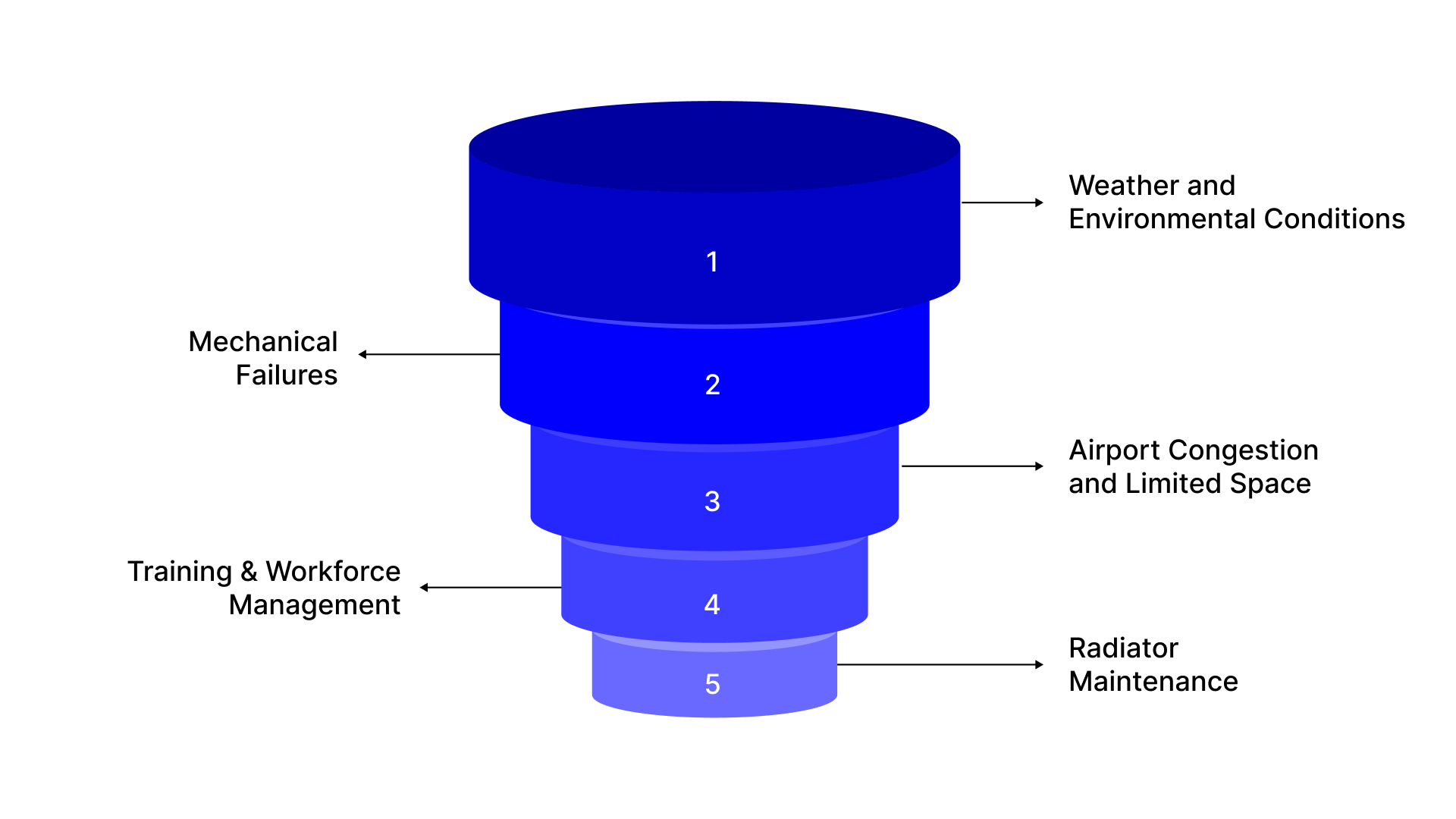
Airport tug operations face several challenges that can impact efficiency and safety. These challenges stem from factors like weather conditions, mechanical issues, and high airport congestion. Addressing these challenges proactively ensures smoother and safer operations.
Here are the key challenges in airport tug operations and how to overcome them:
Weather and Environmental Conditions
Challenge: Extreme weather conditions like snow, rain, or high winds can affect tug performance.
How to Fix: Use weather-resistant tugs with all-terrain tires and heated components. Consider automated weather sensors to help operators adjust to changing conditions.
Mechanical Failures
Challenge: Tug vehicles are heavy-duty machines and prone to mechanical breakdowns, especially under continuous use.
How to Fix: Implement a regular maintenance schedule and pre-shift inspections. Focus on checking brake systems, hydraulic fluid levels, and towing mechanisms before each shift.
Airport Congestion and Limited Space
Challenge: Airports, especially large ones, often experience congestion, making it difficult for tug vehicles to maneuver in tight spaces.
How to Fix: Use towbarless tugs for better maneuverability in tight spaces. Implement real-time vehicle flow monitoring to avoid congestion during peak hours.
Training and Workforce Management
Challenge: Inadequate training or lack of familiarity with advanced tug systems can result in accidents or inefficiencies.
How to Fix: Provide comprehensive operator training and certifications on new technologies and safety protocols, ensuring all operators are proficient in using modern systems.
Radiator Maintenance
Challenge: Regular radiator maintenance is crucial to avoid overheating and prevent breakdowns, especially in high-demand environments.
How to Fix: Check coolant levels, inspect radiator fins, and clean radiator screens before every shift. Ensure leak checks and maintain proper cooling system pressure. This reduces downtime caused by radiator issues by 10% annually, improving overall efficiency.
Pro Tip: Use high-quality, durable radiators that are designed for the demanding conditions of airport tug vehicles. FSR Products provides radiators built for efficiency and long-term reliability in such environments.
With these challenges addressed, airport tug operations can run more smoothly. Now, let's explore why FSR Products provides the ideal radiator solutions for airport tug vehicles.
FSR Products: The Ideal Choice for Airport Tug Radiators
At FSR Products, we provide reliable, high-performance radiators specifically designed for airport tug vehicles. Our radiators ensure optimal performance under the demanding conditions of airport operations.
Here’s why we’re the ideal choice for your airport tug radiators:
Durability: The Tiger Tug Radiator and EAGLE TT8 Radiator are built to withstand heavy-duty operations, ensuring minimal downtime.
Efficiency: Designed for high-efficiency cooling, these radiators keep tug vehicles running at optimal temperatures even during peak hours.
Customization: We offer customized solutions personalized to meet the specific needs of different airport tug models, maximizing operational performance.
With FSR's radiators, you can ensure your airport tug vehicles operate safely and efficiently under the toughest conditions.
Wrapping Up
Tug vehicles play a crucial role in airport operations, ensuring safe and efficient aircraft movement. From understanding their types to addressing operational challenges, maintaining tug vehicles is key to smooth airport logistics.
FSR Products provides high-performance radiators designed specifically for airport tug vehicles, ensuring durability and efficiency. Our radiators are built to handle the demands of ground support equipment, offering reliable cooling for seamless operations.
Ready to optimize your airport operations? Contact us for more information on how FSR Products can improve your tug vehicle performance.
FAQs
How does a towbarless tug differ from a conventional tug?
A towbarless tug connects directly to the aircraft's nose wheel, allowing for better maneuverability and faster aircraft positioning. In contrast, a conventional tug requires a towbar, limiting speed and flexibility.
What are the advantages of using electric tug vehicles at airports?
Electric tug vehicles are eco-friendly, producing zero emissions, and offer lower operational costs due to reduced fuel consumption and maintenance requirements. They're ideal for airports focused on sustainability.
Can airport tugs operate in all weather conditions?
Yes, airport tugs are designed to operate in various weather conditions, including extreme heat or snow. Weather-resistant tugs with all-terrain tires are especially suited for challenging climates.
Are there any safety features built into modern tug vehicles?
Yes, modern tug vehicles come equipped with anti-collision systems, emergency braking, and real-time monitoring to improve safety during towing operations, preventing accidents on busy airport grounds.
How often should tug vehicles undergo maintenance?
Tug vehicles should be inspected and serviced regularly, ideally after each shift or after every high-use period. Regular preventative maintenance ensures they stay in optimal working condition and minimizes downtime.