Managing airport operations requires procurement managers to select the right ground handling equipment (GHE) that ensures smooth, efficient, and safe operations. With numerous options available, making the right choice can feel overwhelming.
Ground handling equipment is essential to airport functions, from baggage handling to aircraft refueling. The wrong equipment can lead to costly delays, maintenance issues, and safety risks. Understanding what's needed for efficient operations is crucial.
This guide provides a comprehensive list of essential ground handling equipment, helping you choose the right tools to keep airport operations running smoothly.
Quick look
Ground handling equipment (GHE) is essential for efficient airport operations, including baggage handling, aircraft servicing, and cargo transport.
Choosing the right equipment ensures minimal downtime, safety, and operational efficiency.
Procurement managers must consider durability, cost, safety standards, and vendor support when selecting equipment.
Quality radiators are crucial for maintaining the performance of ground support equipment.
Proper maintenance and selection of GHE directly impact the efficiency and cost-effectiveness of airport operations.
What is Ground Handling Equipment?
Ground handling equipment (GHE) refers to the machinery used to support aircraft operations on the ground, ensuring timely and safe departure and arrival.
It includes a wide range of tools, from baggage loaders to pushback tractors, that help transport passengers, cargo, and equipment efficiently within the airport.
The proper functioning of GHE is vital for minimizing delays and optimizing airport operations.
Now, let's explore the key types of ground handling equipment essential for airport operations.
List of All Essential Ground Handling Equipment for Airport Operations
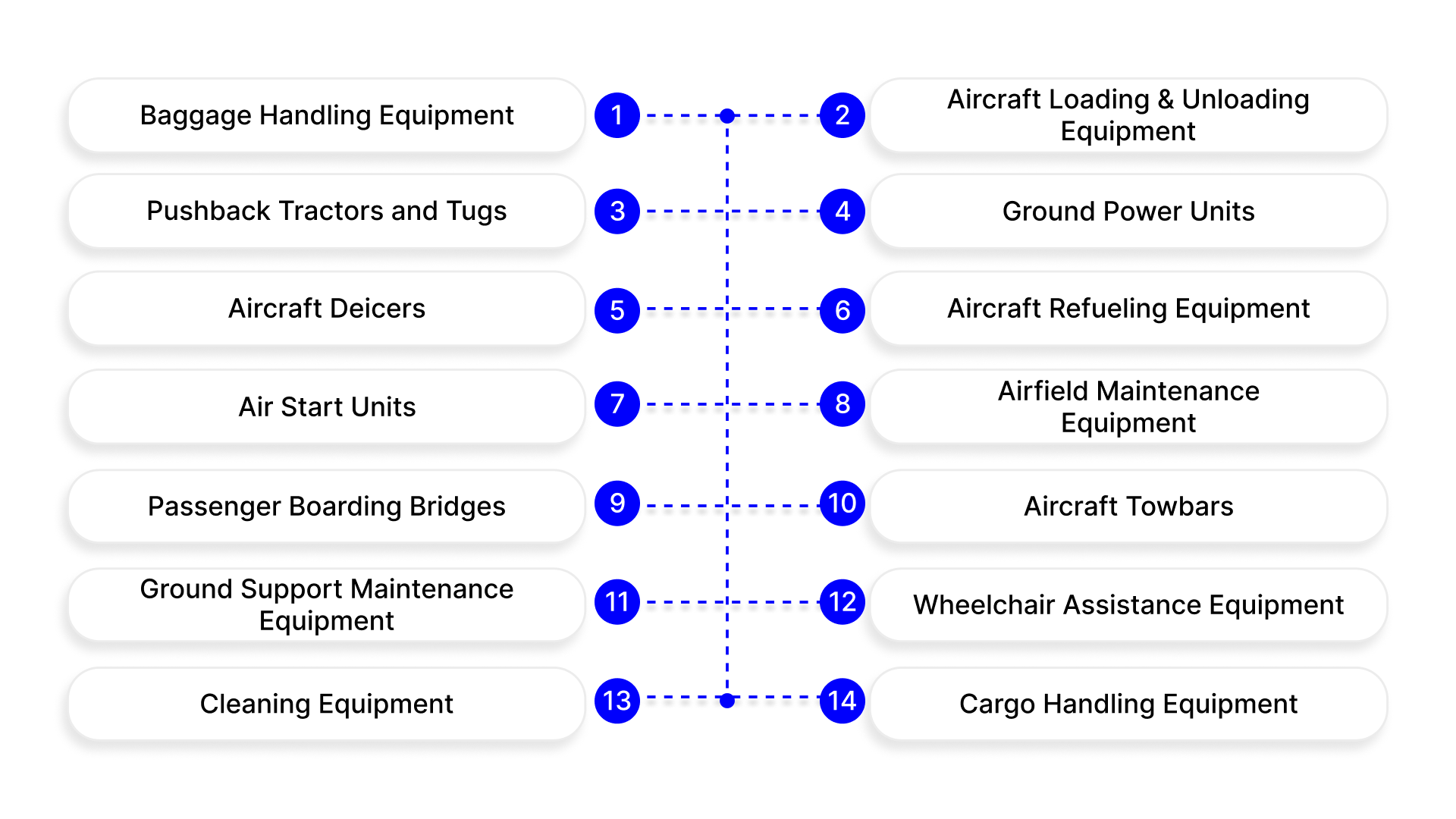
Ground handling equipment plays a crucial role in ensuring smooth and efficient airport operations. From transporting baggage to servicing aircraft, these tools help maintain safety, speed, and reliability.
Below is a comprehensive list of the key equipment required for effective ground handling at airports.
Baggage Handling Equipment
Baggage handling equipment is essential for the safe and efficient movement of passenger luggage from the check-in counters to the aircraft and vice versa. It ensures quick turnaround times and reduces the risk of lost or delayed baggage.
Below are the key components of baggage handling equipment:
Baggage Tractors: These vehicles are used to transport baggage carts between the terminal and aircraft, enabling fast and efficient baggage handling.
Baggage Carts: Sturdy carts that store and transport luggage across the airport, from check-in areas to the aircraft.
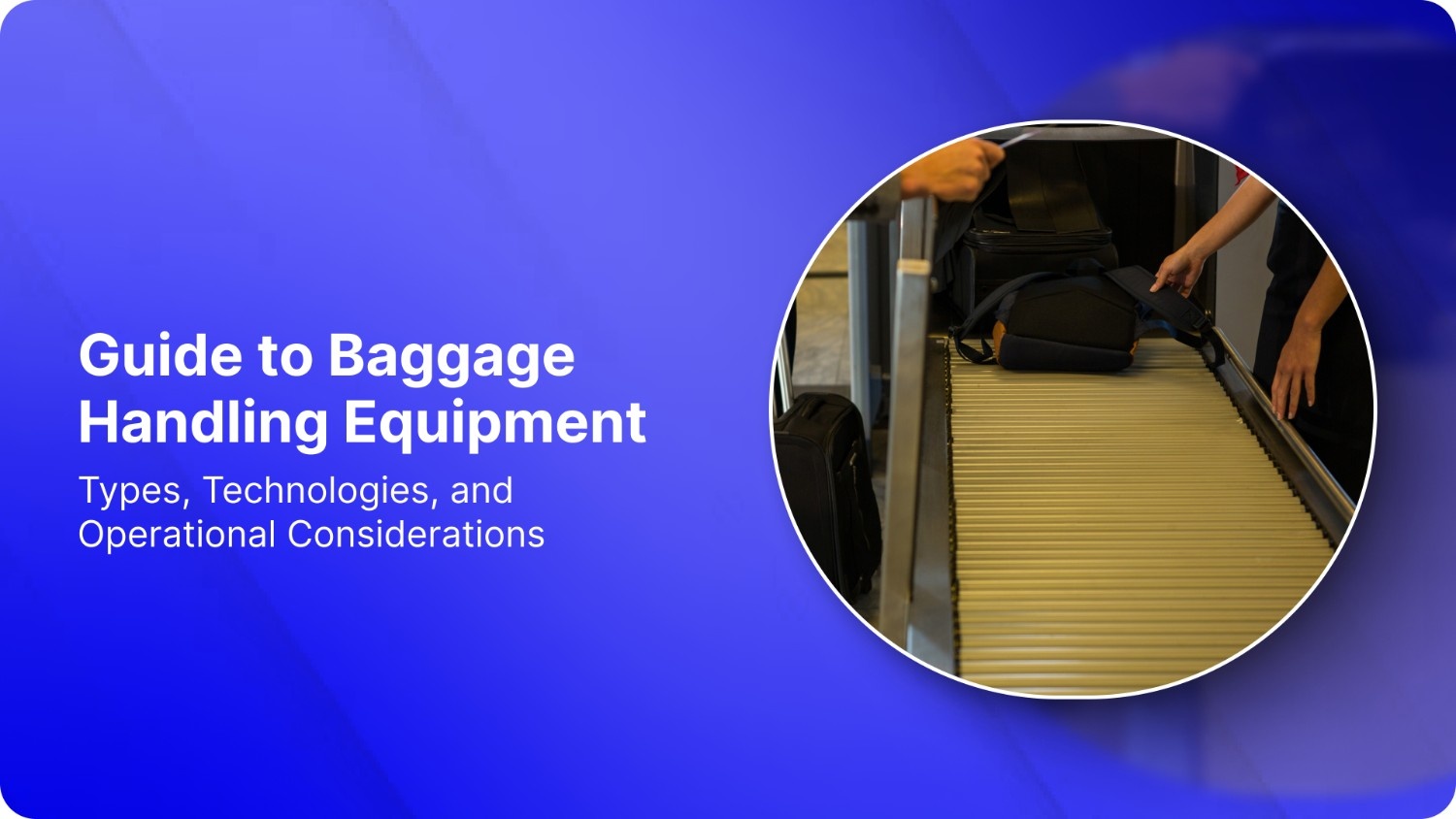
Baggage Conveyors: Automated systems that move luggage from the terminal to the aircraft or vice versa, reducing manual effort and improving speed.
Baggage Loaders: Equipment used to load and unload baggage into and out of the aircraft hold, ensuring smooth transitions and minimizing delays.
This setup helps keep the baggage handling process streamlined and fast, crucial for timely departures and arrivals.
Aircraft Loading & Unloading Equipment
Aircraft loading and unloading equipment ensures efficient transfer of baggage and cargo between the aircraft and the terminal.
Below are the essential tools used for these operations:
Belt Loaders: Conveyor systems used to load and unload baggage and cargo from aircraft. They are designed for flexibility, adjusting height to fit various aircraft doors.
Aircraft Lifts: Elevators that bridge the gap between the terminal and the aircraft door, allowing ground crew to load and unload efficiently.
Cargo Loaders: Heavy-duty equipment that moves large cargo containers onto and off aircraft, typically used for freight operations.
Container Loaders: Specialized equipment for moving cargo containers that are used to store and transport goods within the aircraft hold.
Pushback Tractors and Tugs
Pushback tractors and tugs are essential for safely moving aircraft away from the gate before takeoff and ensuring smooth aircraft towing across the airport.
Here's a closer look at each:
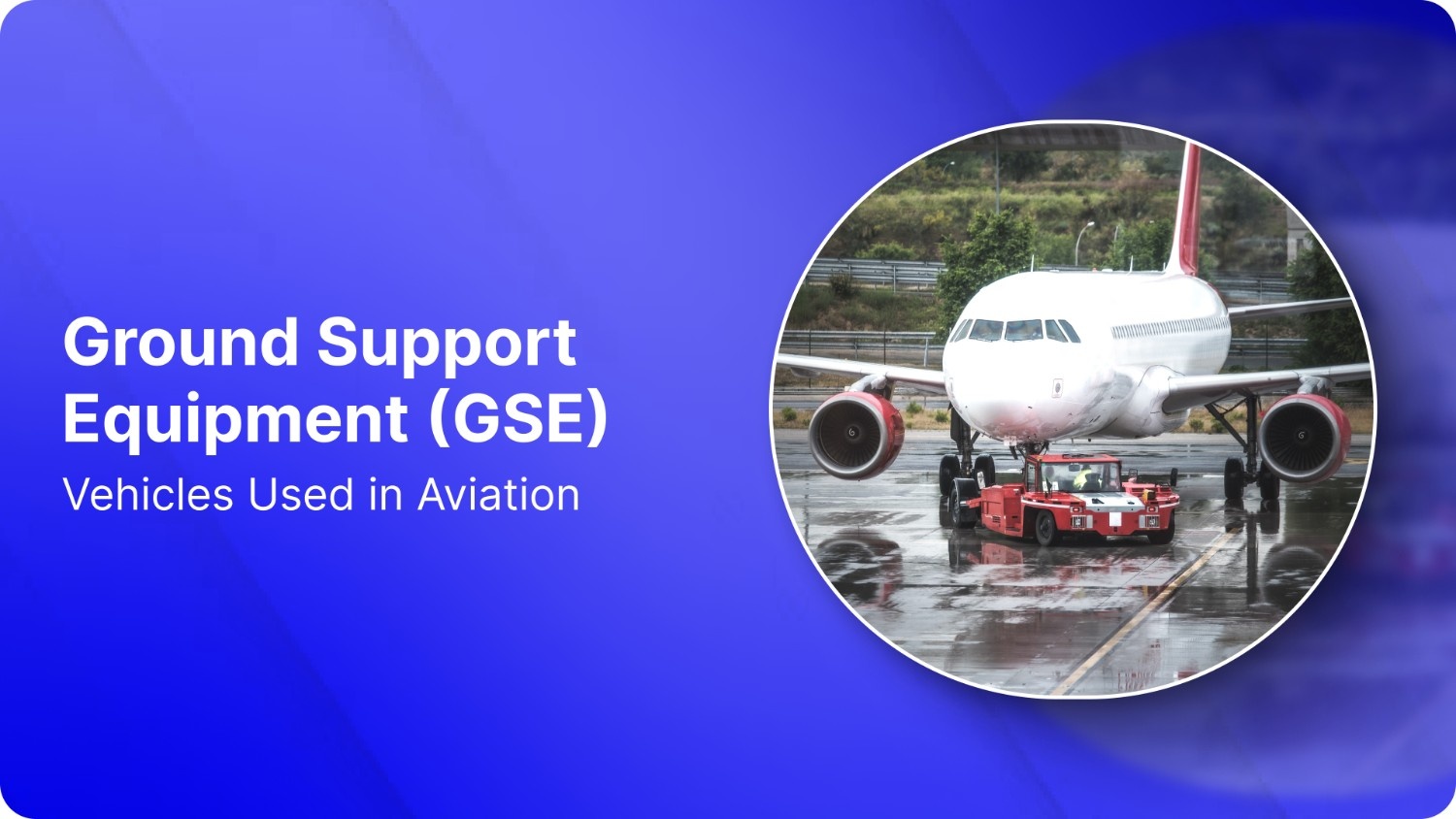
Aircraft Pushback Tractors: These vehicles provide the force required to push aircraft away from the gate and are capable of towing large aircraft with minimal effort.
Aircraft Tow Tractors: Tugs used to transport aircraft across different airport areas, often used when aircraft need to be moved to a hangar or maintenance area.
Tow Bars: Connect the aircraft to the tug for towing, designed to handle the aircraft's weight and ensure safe movement.
Ground Power Units (GPUs)
Ground power units (GPUs) are essential for providing electrical power to aircraft when they are on the ground, replacing the need for engine-generated power.
Below are the key details:
GPUs: Mobile units that deliver necessary power to the aircraft's systems (lighting, air conditioning, etc.) during ground operations, enabling the aircraft to stay powered without running engines.
Aircraft Deicers
Deicing equipment ensures aircraft are free of ice and snow, preventing hazardous conditions that could affect flight safety, especially during colder months.
The equipment involved includes:
Deicing Trucks: Specialized vehicles that spray deicing fluids onto aircraft surfaces to remove ice and snow before takeoff.
Towed Deicing Units: These units apply deicing chemicals and are often used in colder climates to prevent ice build-up on the aircraft.
Anti-Icing Trucks: Used to prevent the formation of ice on the aircraft during adverse weather conditions by applying anti-icing fluids.
Aircraft Refueling Equipment
Aircraft refueling equipment ensures the safe and efficient fueling of aircraft on the ground, vital for maintaining tight turnaround times.
Below are the main components:
Refueling Trucks: Trucks equipped with hoses and pumps to deliver fuel to aircraft, designed to handle large quantities quickly and safely.
Fuel Dispensing Units: Provide controlled fuel flow to aircraft, ensuring that each plane receives the necessary fuel load before takeoff.
Air Start Units (ASU)
Air Start Units (ASUs) provide the compressed air necessary to start an aircraft's engine when no external power source is available.
Below are the key details:
ASUs: Mobile units that supply compressed air to aircraft engines for engine start-up, especially useful in remote locations or at airports with limited facilities.
Airfield Maintenance Equipment
Airfield maintenance equipment is critical for keeping the runways, taxiways, and other airfield areas clear and safe for aircraft operations.
The essential equipment includes:
Snow Plows: Essential for clearing snow from runways and taxiways in winter conditions, ensuring safe takeoff and landing.
Sweepers: Machines that clean airfields, removing debris, dust, and trash to maintain safe operations.
Grass Mowers: Keep airfields clear of overgrown vegetation, ensuring visibility and preventing wildlife hazards.
Passenger Boarding Bridges (PBB)
Passenger boarding bridges connect the terminal to the aircraft, enabling passengers to board or deplane safely and efficiently.
Here’s what you need to know:
Jet Bridges: Extend from the terminal to the aircraft door, allowing passengers to board without stepping onto the tarmac.
Mobile Boarding Stairs: Portable staircases used when jet bridges aren’t available, providing access to aircraft for passengers.
Aircraft Towbars
Towbars are used to connect aircraft to tugs, enabling the safe and controlled movement of aircraft on the ground.
Key tools in this category include:
Standard Towbars: Manual tools that attach to the aircraft’s nose gear for towing.
Hydraulic Towbars: Powered towbars that offer more efficient aircraft movement, typically used for heavier aircraft.
Ground Support Maintenance Equipment
This equipment is vital for maintaining the functionality of ground support vehicles and ensuring operational uptime.
The main tools include:
Aircraft Jacking Systems: Heavy-duty lifts used to raise aircraft for maintenance tasks like tire changes or inspections.
Ground Power Units (GPUs): Provide backup power during maintenance procedures to ensure aircraft systems remain operational without running engines.
Wheelchair Assistance Equipment
Wheelchair assistance equipment helps passengers with reduced mobility move between the terminal and the aircraft safely.
Below are the key components:
Wheelchair Lifts: Help move passengers in wheelchairs onto the aircraft or to ground level.
Passenger Lifts: Assist in lifting elderly or disabled passengers to/from the aircraft.
Cleaning Equipment
Cleaning equipment is used to maintain aircraft cleanliness, from interior cleaning to restroom servicing, ensuring a pleasant experience for passengers.
The equipment includes:
Aircraft Cleaning Units: Specialized vehicles and tools for cleaning the interior of the aircraft between flights.
Restroom Service Vehicles: Equipment used to service and clean aircraft restrooms, maintaining sanitation standards during flight operations.
Cargo Handling Equipment
Cargo handling equipment is designed to move goods and materials quickly and efficiently between the aircraft and the terminal.
Essential tools in this category include:
Cargo Dollies: Used to transport cargo containers to and from aircraft.
Forklifts: Heavy-duty lifting equipment for moving large and heavy cargo.
Cargo Loading Systems: Automated systems designed to load and unload cargo containers and large items from the aircraft.
Selecting the right ground handling equipment is not just about having the necessary tools; it directly impacts the efficiency, safety, and cost-effectiveness of airport operations.
Let's now explore why choosing the right equipment is crucial for ensuring smooth and reliable airport operations.
Why Choosing the Right Equipment is Crucial for Airports?
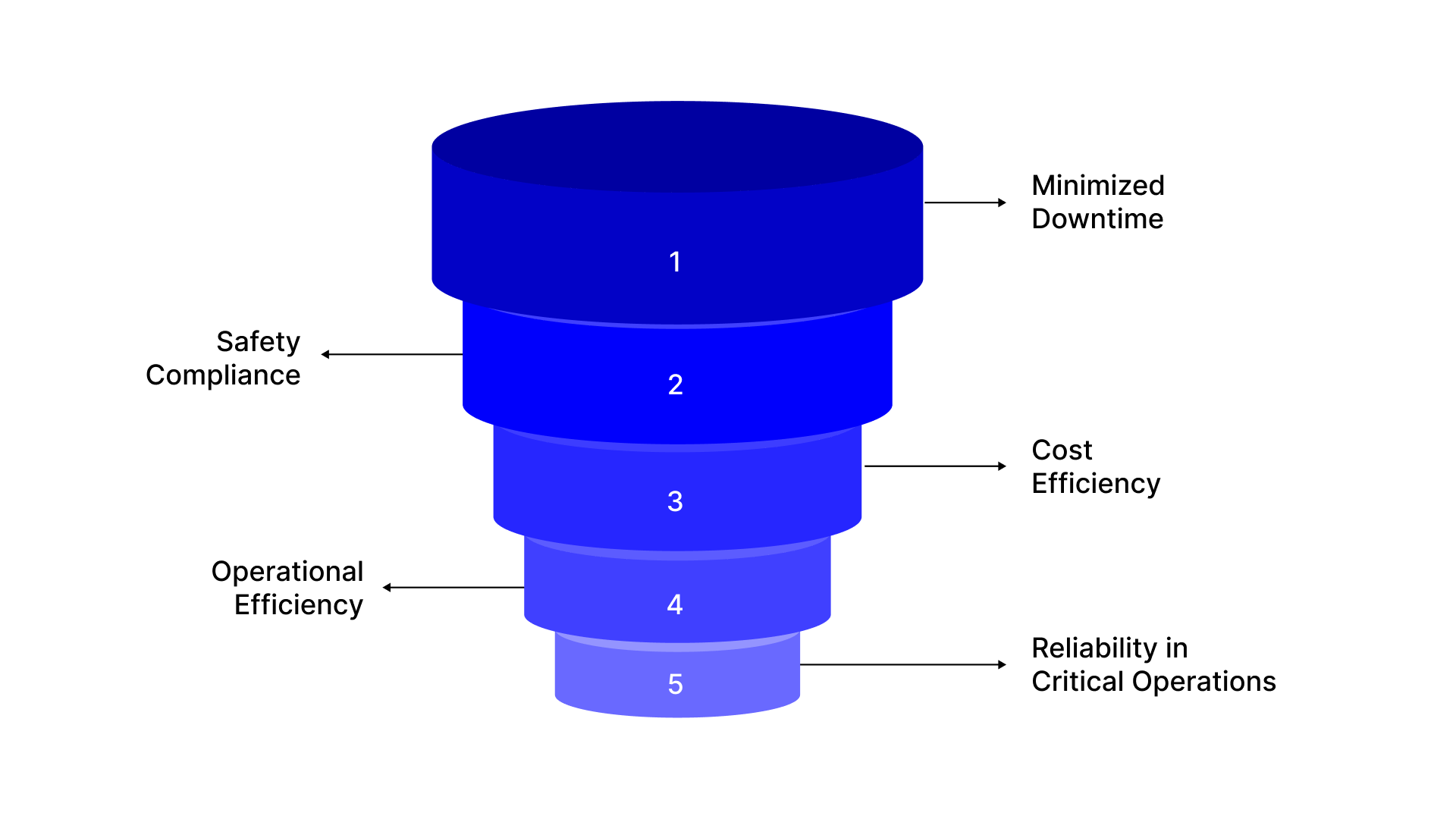
Choosing the right ground handling equipment is essential for minimizing delays and ensuring safety. The equipment selected can significantly affect operational efficiency and overall airport performance.
Here are the key reasons why selecting the right equipment is critical for airport operations:
Minimized Downtime: Properly selected equipment ensures faster turnaround times, reducing aircraft waiting times on the tarmac.
Safety Compliance: The right equipment meets safety standards, reducing the risk of accidents or damage to aircraft.
Cost Efficiency: Choosing durable, high-quality equipment reduces maintenance costs and ensures a longer service life.
Operational Efficiency: Well-maintained equipment improves the speed and accuracy of baggage handling, cargo loading, and passenger boarding.
Reliability in Critical Operations: High-performance equipment ensures consistent functionality during peak times, preventing bottlenecks and delays in essential services.
With these factors in mind, it's crucial for procurement managers to make informed decisions when selecting equipment.
Let's now discuss the role procurement managers play in choosing the right ground handling equipment.
The Role of Procurement Managers in Selecting Ground Handling Equipment
Procurement managers are responsible for ensuring the airport has the right equipment to meet operational needs while staying within budget. Their role is crucial in balancing performance, cost, and reliability.
Here's a checklist of factors procurement managers should consider when selecting ground handling equipment:
Durability: Ensure the equipment can withstand the high demands of continuous use and harsh environments.
Safety Standards: Verify the equipment meets all required safety regulations to avoid any accidents or liabilities.
Operational Efficiency: Choose equipment that improves workflow, reduces downtime, and speeds up ground operations.
Cost-Effectiveness: Consider both upfront costs and long-term maintenance expenses to ensure a good return on investment.
Vendor Support and Warranty: Ensure reliable post-purchase support and warranty options to address any potential issues swiftly.
Adaptability: Select equipment that can be easily integrated with existing systems and adapted to future airport needs.
Understanding these factors helps procurement managers make informed decisions that benefit both operations and budgets.
Now, let's explore how FSR Products offers top-notch radiator solutions for airport ground support equipment.
FSR Products: Providing Top-Notch Radiators for Airport Ground Support Equipment
At FSR Products, we specialize in providing high-quality, custom-engineered radiators specifically designed for airport ground support equipment (GSE). Our products ensure maximum performance and reliability in the demanding environment of airport operations.
What we offer:
Custom Radiators: Personalized to fit various types of GSE, ensuring efficient cooling for all equipment.
Durability: Designed to withstand harsh conditions, minimizing downtime and maintenance needs.
High Performance: Engineered to keep equipment operating at optimal temperatures, even under heavy workloads.
Quick Turnaround: Fast manufacturing and delivery to keep airport operations running smoothly.
We deliver radiators necessary for reliable and efficient ground support equipment, ensuring maximum operational uptime.
Final Thoughts
Ground handling equipment is vital for ensuring smooth airport operations, from baggage handling to aircraft servicing. Selecting the right tools minimizes delays, improves safety, and ensures cost-effectiveness.
FSR Products offers high-performance radiators specifically designed for ground support equipment. Our custom-engineered solutions guarantee reliable cooling, ensuring your equipment operates at optimal temperatures even in demanding conditions.
Need reliable radiators for your ground support equipment? Contact us to learn how we can help keep your airport operations running smoothly.
FAQs
How often should ground handling equipment be maintained?
Ground handling equipment should be maintained regularly based on the manufacturer's guidelines, typically every 6-12 months, to ensure optimal performance and prevent breakdowns.
Can ground handling equipment be used in all weather conditions?
Yes, most ground handling equipment is designed to operate in various weather conditions, but extreme temperatures or snow may require specific deicing or winterization measures.
What factors influence the lifespan of ground handling equipment?
The lifespan of ground handling equipment depends on factors like usage frequency, maintenance practices, environmental conditions, and the quality of the equipment itself.
Is it necessary to train staff on ground handling equipment usage?
Yes, proper training ensures that staff operate the equipment safely and efficiently, reducing the risk of accidents and improving operational productivity.
What safety precautions should be taken when using ground handling equipment?
Always follow safety protocols, including wearing protective gear, ensuring equipment is properly maintained, and verifying the equipment's functionality before use to avoid accidents.