
When you need to replace a radiator, everything starts with one detail: the correct part number. Without it, even a routine replacement can turn into back-and-forth emails, delayed orders, and equipment sitting idle longer than planned.
Finding a radiator part number is not always straightforward, especially on airport ground support equipment that has been in service for years. Labels fade, tags go missing, and access can be limited when the radiator is still installed.
This guide walks you through how to find a radiator part number quickly and practically. It focuses on where to look first, what to do when numbers are hard to find, and how to confirm you have the right information before ordering a replacement.
Key Takeaways
Start with the radiator, not assumptions. Most part numbers are present, but often hidden or worn.
Partial information is still valuable. Even incomplete markings can lead to the correct identification.
Documentation fills the gaps. Parts lists and manuals often confirm what labels cannot.
Specialist support saves time. Working with GSE-focused suppliers like FSR Products helps confirm radiator part numbers before ordering and reduces sourcing delays.
Where to Look First: Common Places Radiator Part Numbers Are Found
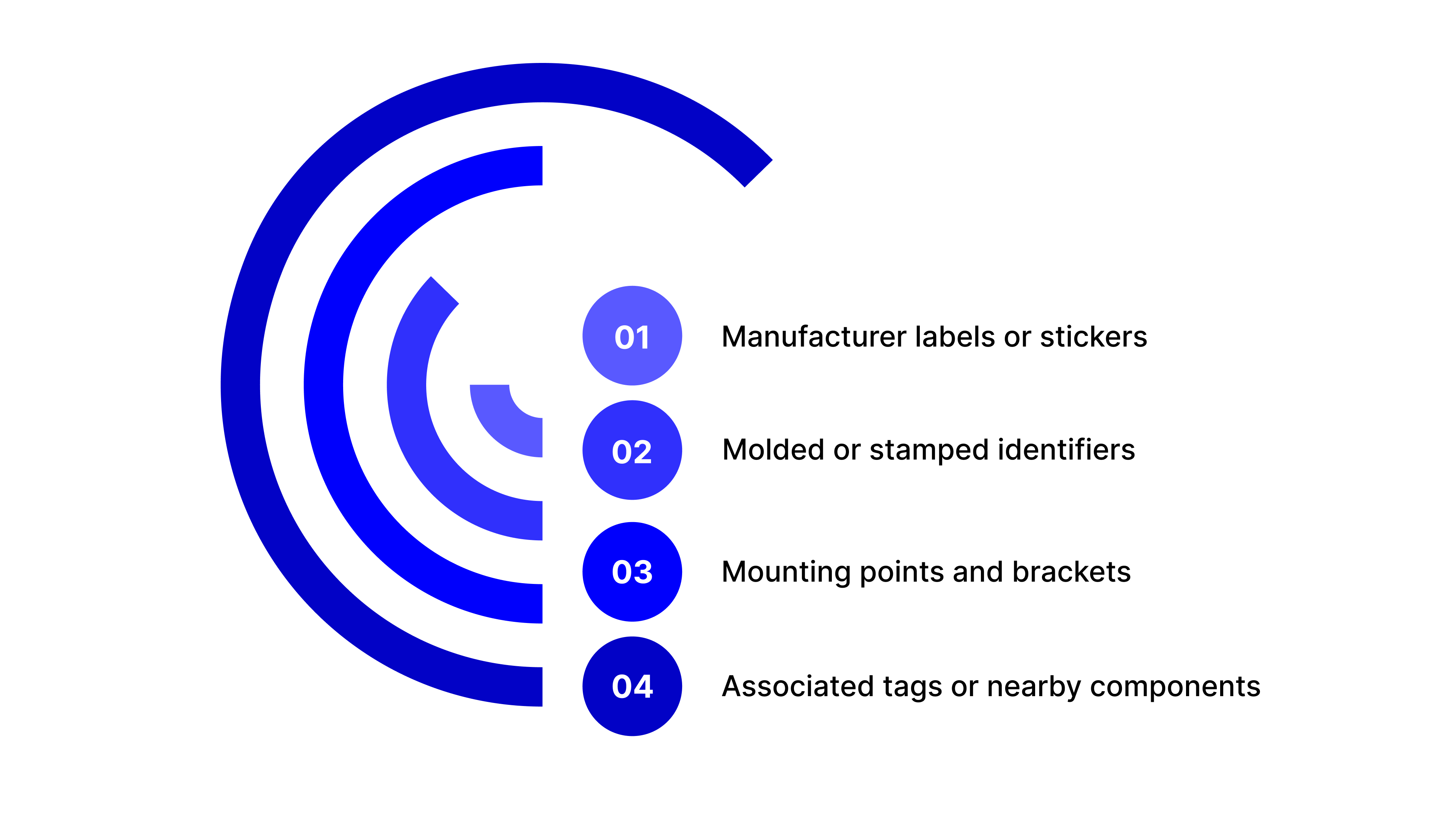
Radiator part numbers are usually present, but not always where you expect them. Starting with the most common locations helps you avoid unnecessary disassembly or guesswork.
1. Manufacturer labels or stickers
Many radiators have a label or sticker applied during manufacturing. These are often placed where they are visible during installation rather than during operation.
Common places to check include:
The top tank or upper edge of the radiator
One of the side faces, especially near a corner
Areas facing inward once installed, which may require a mirror or flashlight
Labels may include a part number, a shortened identifier, or a manufacturer reference. Even partial information can be useful later when confirming the correct replacement.
2. Molded or stamped identifiers
If no label is visible, look for numbers that are molded or stamped directly into the radiator.
These may appear:
Molded into tanks or structural sections
Stamped onto metal frames or supports
Placed in less obvious areas to avoid wear
Not every number you see is a part number. Some markings relate to tooling or production batches.
Still, these identifiers can help narrow down the correct radiator when combined with equipment details.
3. Mounting points and brackets
Part numbers or identifiers are sometimes located near mounting points. These areas are easy to overlook because they are close to other components.
Check:
Mounting flanges or tabs
Brackets attached to the radiator frame
Edges that are partially hidden once installed
Because these areas are not always visible during routine inspections, part numbers here can go unnoticed for years.
4. Associated tags or nearby components
In some cases, the radiator itself may not carry a clear identifier, but nearby components do.
Look for:
Tags attached to hoses connected to the radiator
Labels on frames or supports near the radiator
Maintenance tags added during previous service
While these tags may not provide a direct part number, they can offer clues that help confirm the correct radiator through documentation or supplier support.
Finding the Part Number When the Radiator Is Still Installed
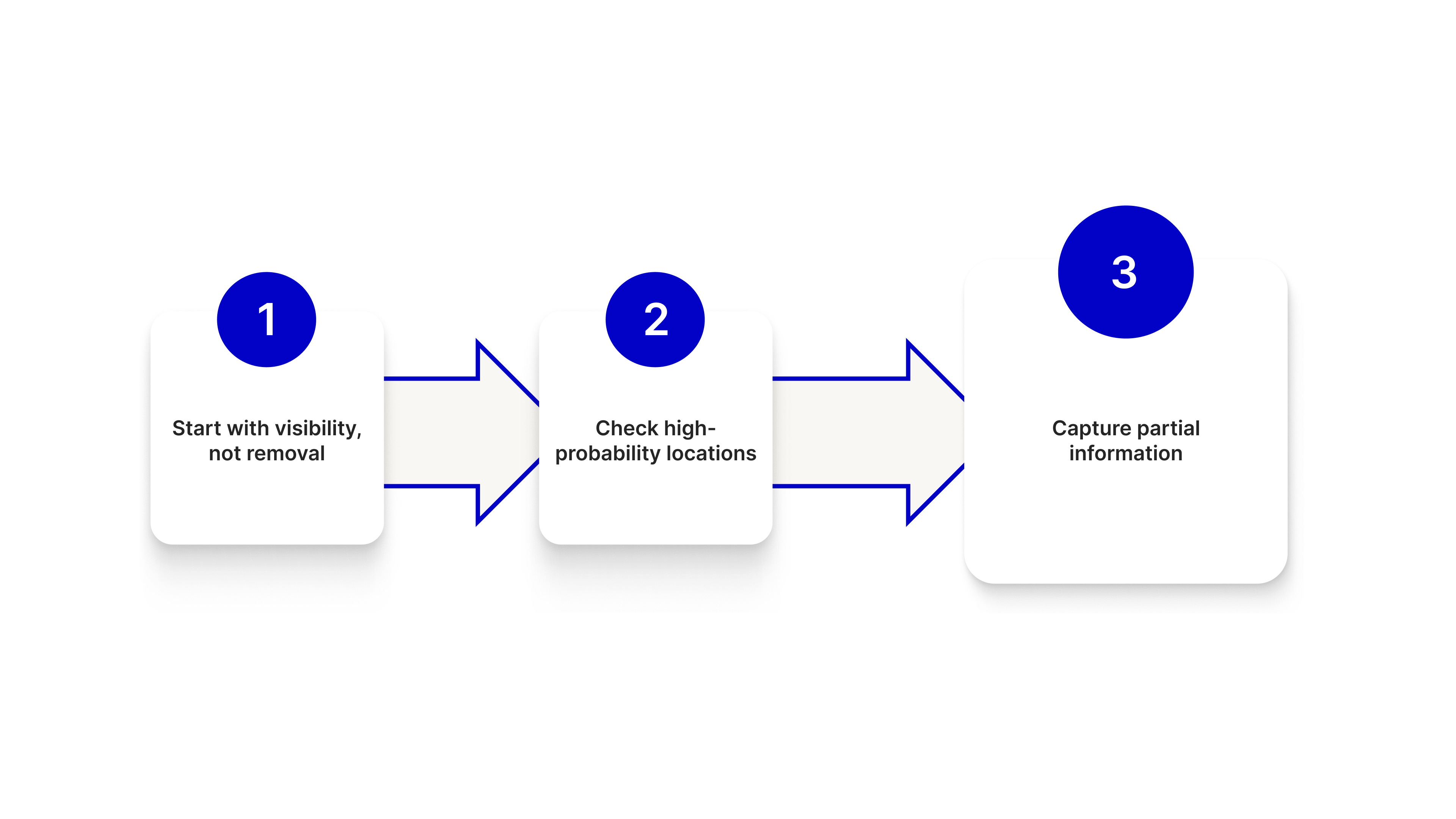
When the radiator is still installed, the goal is to gather identification details without disrupting equipment availability.
Start with visibility, not removal
Before attempting any disassembly, improve visibility around the radiator:
Use a flashlight or inspection mirror
Take photos with a phone from different angles
Focus on surfaces that are blocked from direct view
This approach often reveals labels or markings that are not visible at first glance.
Check high-probability locations
When access is limited, concentrate on areas where part numbers are commonly placed:
Upper edges and side faces
Areas near mounting brackets or frames
Surfaces partially covered by guards or shrouds
These locations are less exposed and more likely to retain identifying information.
Capture partial information
Even incomplete details can help later:
Partial numbers or letter sequences
Manufacturer logos or identifiers
Label remnants or outlines
Document what you find. Combined with equipment details, partial information is often enough to move the identification process forward.
What to Do When the Part Number Is Missing or Illegible?
Missing or unreadable part numbers are common on ground support equipment radiators, especially after long service periods.
Shift from label-based to context-based identification
When labels are no longer usable, focus on the broader context:
Equipment model and configuration
Radiator position within the equipment
Connection layout and mounting style
This information becomes the foundation for confirmation.
Use available documentation
Parts documentation is often more reliable than physical labels.
Illustrated parts lists show radiator placement by configuration
Service manuals reference approved replacement parts
Internal maintenance records may include past part numbers
Cross-referencing these sources helps narrow down the correct radiator.
Use photos to support verification
Photos play a critical role when part numbers are missing.
Capture the full radiator and surrounding components
Include mounting points and hose connections
Share images alongside equipment details
This allows suppliers or internal teams to confirm compatibility without guessing.
Know when to involve supplier support
If internal documentation does not provide a clear answer, involving a supplier early helps avoid delays. Suppliers experienced with GSE radiators can often confirm the correct part using context and visuals alone.
How to Confirm the Correct Radiator Part Number?
Finding a part number is only the first step. Confirmation is what prevents ordering errors and follow-up delays.
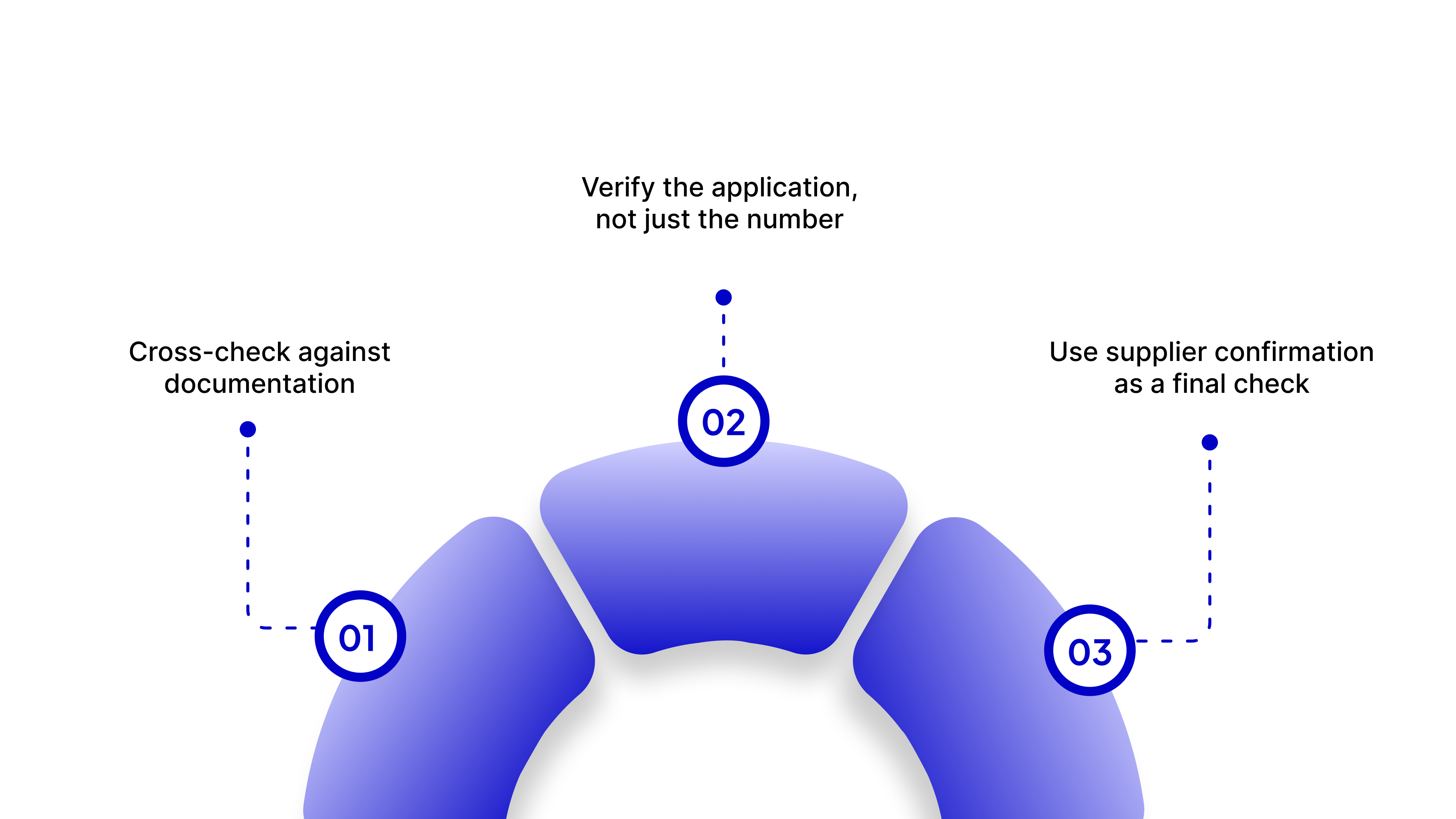
Cross-check against documentation
Start by validating the part number or identifier against reliable references:
Equipment parts lists are tied to the specific model and configuration
Service manuals that list approved replacement components
Internal maintenance records from previous replacements
If the number appears in more than one source, confidence increases quickly.
Verify the application, not just the number
A part number alone is not enough if it is tied to multiple configurations.
Confirm:
The radiator is intended for the same equipment variant
The application matches how the equipment is used
No notes indicate conditional use or alternatives
This step helps avoid selecting a radiator that fits on paper but not in practice.
Use supplier confirmation as a final check
Before placing an order, sharing the part number along with equipment details adds another layer of validation.
Provide model and configuration information
Share photos if available
Ask for confirmation that the radiator is a direct replacement
This final check often catches issues that documentation alone does not.
Tools and Documents That Can Speed Up Identification
Having the right tools and references on hand makes radiator identification faster and more reliable.
Illustrated parts lists
These are often the most useful starting points.
Show radiator placement by configuration
Link visual layouts to part numbers
Help confirm you are referencing the correct component
Service and maintenance manuals
Manuals provide context that labels may not.
Approved replacement references
Notes tied to specific configurations
Guidance on component relationships
Supplier lookup systems
Specialist suppliers maintain application-based records that go beyond generic part listings.
Search by equipment model and configuration
Cross-reference partial identifiers
Confirm direct replacements
This is where working with focused suppliers like FSR Products can help, especially when labels are missing or unclear.
Internal records
Past work orders, invoices, or maintenance logs often contain the information you need. Keeping these records accessible can significantly shorten identification time.
Conclusion
Finding a radiator part number does not have to slow down your replacement process. What matters is using a structured approach that combines physical inspection, documentation, and verification.
By knowing where to look first and how to proceed when labels are missing, you reduce the risk of ordering the wrong part and extending downtime. Even partial information can be useful when it is documented and confirmed correctly.
If you want help confirming a radiator part number or identifying the correct replacement for airport ground support equipment, you can contact FSR Products. Their focus on GSE radiators allows them to assist with part identification and compatibility before you place an order.
FAQs
1. Where is the part number usually located on a radiator?
Radiator part numbers are commonly found on manufacturer labels or stickers, molded or stamped into the radiator body, or near mounting points and brackets. These areas are often not visible at first glance.
2. What if the radiator part number is missing or unreadable?
If the part number is missing, use equipment details such as model and configuration, along with illustrated parts lists or service manuals. Photos of the installed radiator can also help suppliers confirm the correct part.
3. Can I identify a radiator part number without removing it?
Yes. In many cases, part numbers can be found while the radiator is still installed by improving visibility and checking high-probability locations. Partial identifiers are often enough to proceed with confirmation.
4. Is a partial number or marking useful?
Yes. Even incomplete numbers, logos, or markings can help narrow down the correct radiator when combined with equipment information and documentation.
5. Who can help confirm the correct radiator part number?
Suppliers that specialize in airport ground support equipment radiators can often confirm the correct part number using equipment details, photos, and contextual information.