When was the last time you thought about your diesel engine radiator? It's a crucial part of your airport ground support equipment (GSE), but it's often overlooked until it causes problems. As a procurement manager, understanding how a radiator works is key to avoiding downtime and maximizing operational efficiency.
Diesel engine radiators do more than just cool; they ensure your equipment performs its heavy-duty tasks without issues. In ground support, where every minute counts, the radiator's efficiency can directly affect your operational costs.
This article explores the importance of diesel engine radiators, how they work, and why they matter for maintaining optimal performance. If you're focused on improving the longevity and efficiency of your equipment, this is where it all begins.
Quick look
Diesel engine radiators are essential for maintaining engine temperature and preventing overheating in GSE.
A properly functioning radiator improves engine efficiency, reduces downtime, and extends equipment lifespan.
Choosing the right radiator involves considering size, material quality, and custom fit for specific GSE needs.
Common radiator issues include leaks, clogs, and corrosion, all of which can be prevented with regular maintenance.
FSR Products offers custom radiators designed to meet the demanding conditions of airport ground support equipment.
What is a Diesel Engine Radiator?
A diesel engine radiator is a critical component in the engine cooling system that helps regulate engine temperature by removing excess heat. It works by circulating coolant through the engine and dissipating the heat in the radiator, preventing the engine from overheating during operation.
In airport ground support equipment (GSE), radiators are built to handle the demanding tasks of heavy-duty machines, ensuring they run smoothly in various environmental conditions.
Understanding how this system works is essential, as it directly impacts the engine's performance and longevity. Next, let's explore how diesel engine radiators function to keep your equipment running at peak efficiency.
How Diesel Engine Radiators Work?
A diesel engine radiator is essential for keeping the engine within a safe operating temperature by removing excess heat. The process of heat dissipation ensures the engine doesn't overheat, preventing performance issues and costly repairs.
In airport ground support equipment, where engines work under constant stress, the radiator's efficiency is key to maintaining optimal performance.
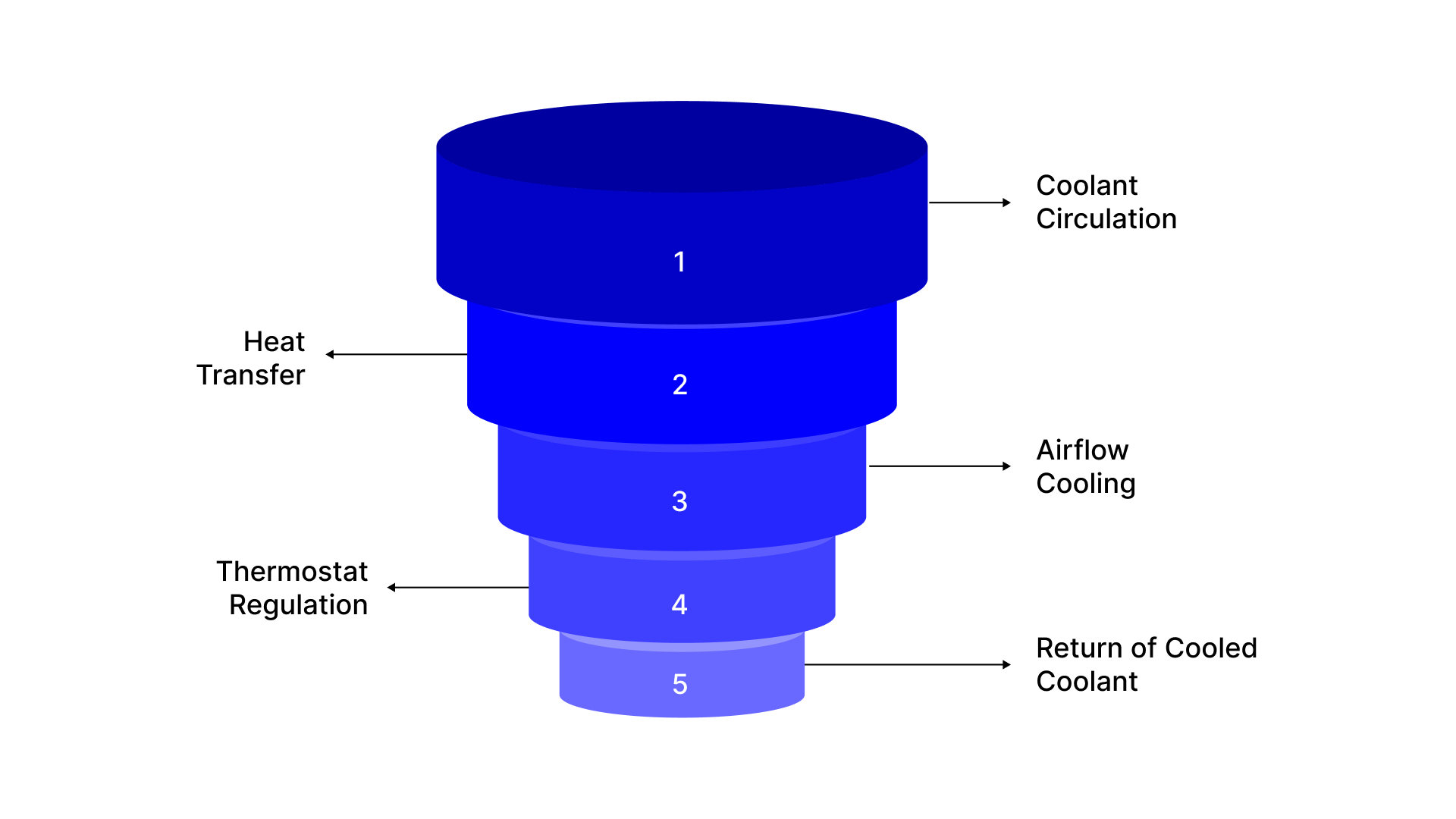
Here's a more in-depth look at how diesel engine radiators work:
Coolant Circulation
The engine's water pump circulates a mixture of coolant and water through the engine block. As the coolant moves through the engine, it absorbs the excess heat generated by the combustion process.
Heat Transfer
The hot coolant then flows into the radiator, passing through a series of metal tubes (usually aluminum). These tubes are designed to maximize surface area, allowing heat to transfer from the coolant to the air that flows through the radiator.
Airflow Cooling
The cooling process is further enhanced by the flow of air through the radiator. The vehicle's movement or fan systems direct air through the radiator's fins, helping to lower the coolant's temperature as it moves through the system.
Thermostat Regulation
A thermostat in the cooling system regulates coolant flow to ensure the engine maintains an optimal temperature. If the coolant gets too hot, the thermostat opens to allow more coolant to flow; if it gets too cold, it restricts the flow to maintain the correct engine temperature.
Return of Cooled Coolant
After passing through the radiator, the now-cooled coolant flows back into the engine, where it absorbs more heat, completing the cooling cycle. This continuous flow helps maintain a consistent engine temperature, even during intense usage.
Efficient radiator function is crucial for ensuring that your ground support equipment remains operational without unexpected engine failures. Now, let's explore why radiators are indispensable for the performance of diesel engines in GSE.
Why Radiators Matter in Diesel Engines for GSE
In airport ground support equipment (GSE), radiators are essential to ensure diesel engines run smoothly under heavy-duty conditions. A reliable radiator prevents overheating, minimizes downtime, and extends the life of the engine.
For procurement managers, understanding why radiators are crucial helps optimize equipment performance and reduce costly repairs.
Here's why radiators matter for diesel engines in GSE:
Prevents Overheating: Radiators regulate engine temperature, preventing excessive heat that can cause damage to internal components.
Increases Engine Longevity: By maintaining optimal temperature, radiators reduce wear and tear, extending the lifespan of the engine and equipment.
Improves Performance: A well-cooled engine operates more efficiently, leading to better fuel economy and consistent performance during long operations.
Reduces Maintenance Costs: Proper cooling minimizes the need for frequent repairs and services, reducing operational costs over time.
Ensures Compliance and Safety: Maintaining safe engine temperatures helps avoid safety risks and ensures compliance with operational standards.
Maintaining the radiator is vital for keeping GSE running efficiently. Now, let's explore the key benefits of using high-quality diesel engine radiators.
4 Key Benefits of High-Quality Diesel Engine Radiators
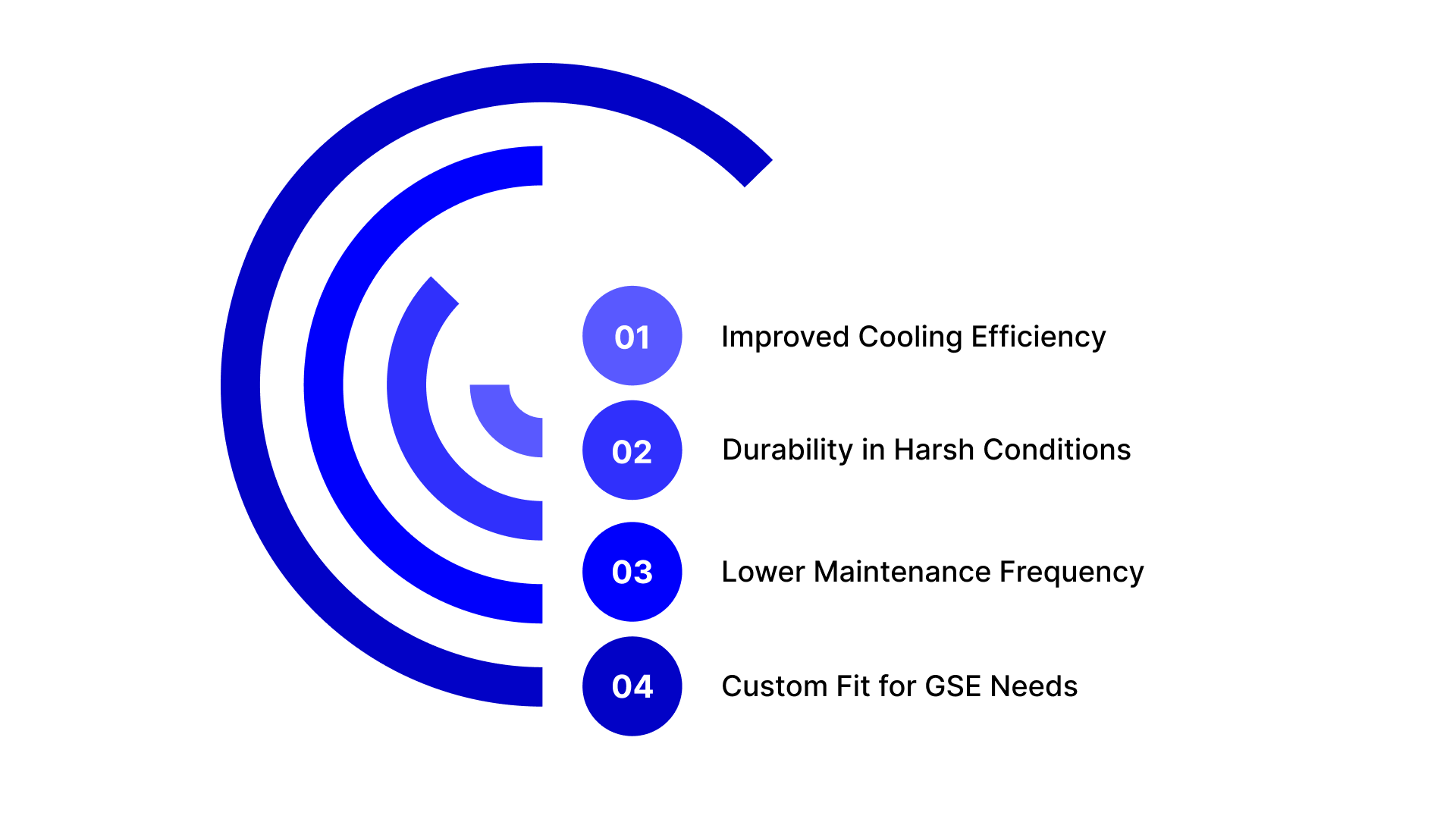
Investing in high-quality diesel engine radiators ensures your airport ground support equipment (GSE) runs efficiently, minimizes downtime, and extends engine life.
Here are the key benefits of using high-quality diesel engine radiators:
Improved Cooling Efficiency: Premium radiators use advanced materials like high-performance aluminum and optimized fin designs to provide faster and more efficient heat dissipation, even in extreme conditions.
Durability in Harsh Conditions: Constructed from corrosion-resistant materials like aluminum and brass, high-quality radiators are built to withstand harsh airport environments, ensuring long-lasting performance with minimal degradation.
Lower Maintenance Frequency: Top-tier radiators are engineered to resist clogging, leaks, and build-up of debris, resulting in fewer repairs and less frequent radiator replacements, reducing overall maintenance costs.
Custom Fit for GSE Needs: Each radiator is customized to meet the unique cooling needs of different types of GSE (e.g., baggage tugs, cargo loaders), ensuring a perfect match to your equipment's engine specifications for better efficiency.
The advantages of using premium radiators are clear. Now, let's explore how to choose the right radiator for your diesel engine to ensure these benefits are fully realized.
How to Choose the Right Radiator for Your Diesel Engine
Selecting the right radiator for your diesel engine is critical to ensure optimal performance, reliability, and longevity of your airport ground support equipment (GSE).
With the right specifications, you can improve efficiency and reduce maintenance costs.
Here's a quick guide to choosing the right radiator for your diesel engine:
Factor | What to Look For | Why It Matters |
Radiator Size & Capacity | Match the radiator's size and cooling capacity to the engine's heat output. | Ensures the radiator can handle the engine's cooling demands without overheating. |
Material Quality | Look for high-quality aluminum or brass for better thermal conductivity and durability. | Premium materials provide corrosion resistance and enhance overall radiator performance. |
Custom Design | Choose radiators designed for specific GSE applications (e.g., tugs, cargo loaders). | A custom design ensures a perfect fit for the engine's cooling needs, improving efficiency. |
Cooling Efficiency | Look for radiators with optimized core designs for maximum heat dissipation. | Maximizes cooling performance, particularly in high-duty-cycle GSE operations. |
Maintenance & Service | Opt for a radiator that is easy to maintain with features like removable fins or self-cleaning designs. | Reduces downtime and extends the service life of the radiator and engine. |
Choosing the right radiator based on these factors ensures that your GSE will operate at peak performance. Next, let’s look at common radiator issues and how to prevent them.
Common Diesel Engine Radiator Issues and How to Prevent Them
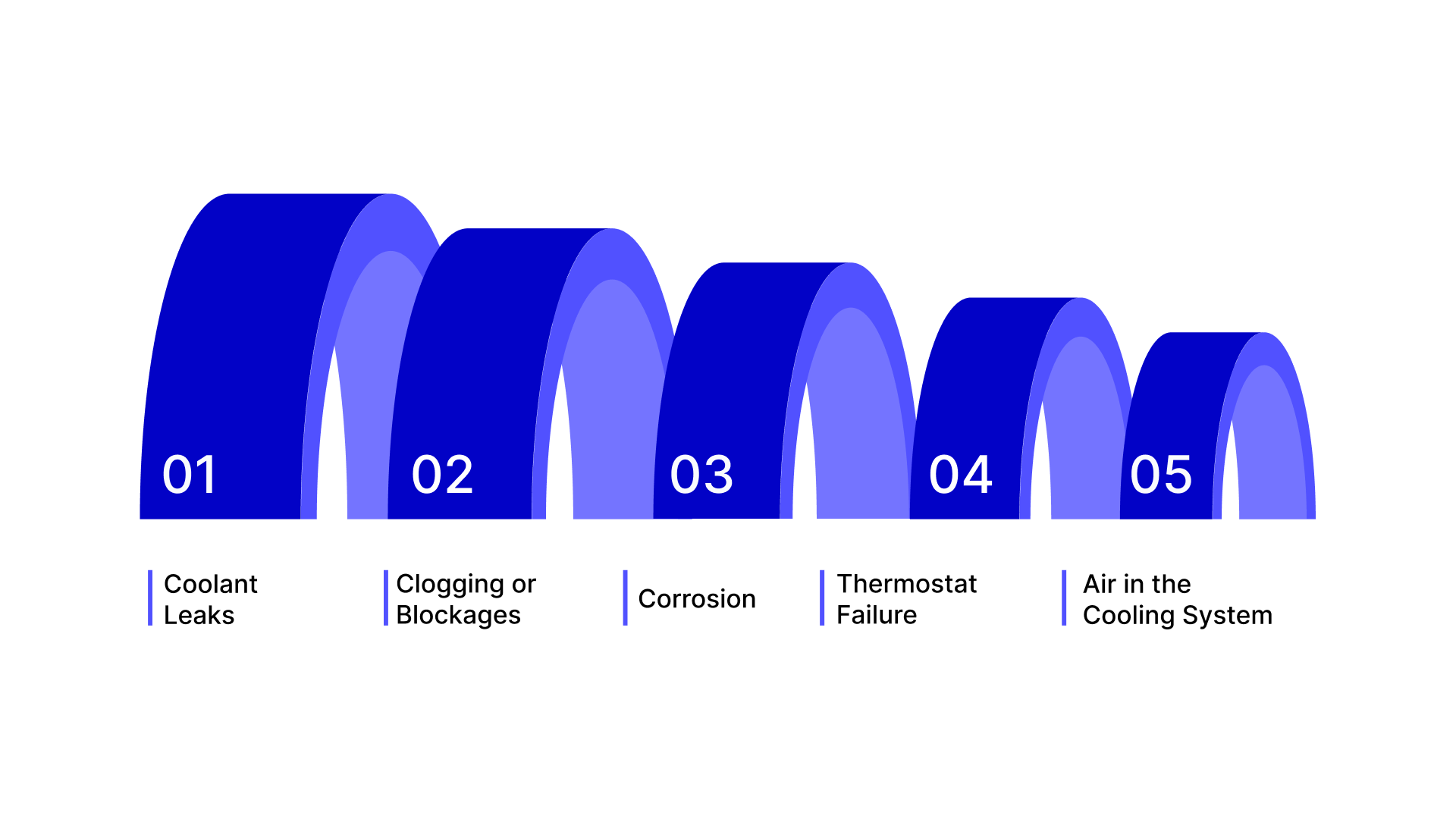
Even the highest-quality diesel engine radiators can face issues over time, especially when subjected to the intense demands of ground support equipment (GSE). Identifying and addressing these problems early can prevent costly repairs and reduce unexpected downtime.
Here are some common issues and how to prevent them:
Coolant Leaks
Cause: Small cracks in the radiator or hose connections over time.
Prevention: Use high-strength, corrosion-resistant materials for the radiator and regularly inspect hoses and connections for wear. Install rubber gaskets with a high resistance to temperature fluctuations.
Clogging or Blockages
Cause: Accumulation of dirt, debris, or sediment in the radiator core.
Prevention: Install protective mesh screens around the radiator intake to prevent debris buildup. Perform periodic flushing of the radiator with a coolant system cleaner to maintain optimal flow.
Corrosion
Cause: Exposure to moisture and road salts, especially in coastal airport environments.
Prevention: Use anti-corrosion coatings on radiator surfaces. Opt for aluminum radiators with anodized finishes that are more resistant to corrosion, particularly in harsh environments.
Thermostat Failure
Cause: Malfunctioning thermostats can cause improper coolant flow, leading to overheating.
Prevention: Regularly check the thermostat for proper operation, and replace it at recommended intervals. Use high-quality thermostats with a wide operating range to handle GSE's demanding conditions.
Air in the Cooling System
Cause: Air pockets can disrupt coolant flow, causing localized overheating.
Prevention: Ensure proper bleeding procedures during coolant changes. Invest in expansion tanks with built-in air vents to minimize air accumulation.
By proactively addressing these common issues, you can keep your GSE running smoothly and avoid unexpected breakdowns.
FSR Products: The Leading Provider of Diesel Engine Radiators for GSE
At FSR Products, we specialize in manufacturing high-performance radiators designed specifically for airport ground support equipment (GSE). Our focus is on custom solutions, and our radiators are engineered to handle the demanding conditions of GSE, ensuring efficiency, durability, and reliability.
Here’s why FSR Products is the ideal choice for your GSE needs:
Custom Fit for GSE: Radiators personalized to meet the specific cooling needs of various airport ground support vehicles, including baggage tugs, cargo loaders, and de-icing equipment.
Built to Last: Made from premium materials like aluminum, designed to withstand harsh environments and heavy-duty operations.
Maximized Performance: Engineered to ensure optimal engine cooling, reducing downtime and improving fuel efficiency during long shifts.
Reliability and Efficiency: Known for long-term performance and low maintenance, FSR's radiators help reduce operational costs and increase the lifespan of your GSE.
We deliver radiators necessary for reliable and efficient ground support equipment, ensuring maximum operational uptime.
Wrapping Up
Diesel engine radiators are crucial for maintaining engine performance and preventing overheating in airport ground support equipment. Choosing the right radiator ensures efficiency, reduces downtime, and extends engine life.
At FSR Products, we provide custom-engineered radiators specifically designed for GSE, ensuring optimal cooling and reliability. Our durable solutions are built to withstand the demanding environments of airport operations.
Ready for a custom radiator solution? Contact us to explore how we can improve your GSE performance.
FAQs
How often should diesel engine radiators be replaced?
Radiators should be replaced based on the manufacturer's recommended lifespan or after detecting significant signs of wear, such as leaks or corrosion. Regular inspection and maintenance can help determine when a replacement is necessary.
Can a diesel engine radiator affect fuel efficiency?
Yes, an efficient radiator helps keep the engine at optimal temperature, which can improve fuel efficiency. Overheating engines can lead to poor fuel economy, making radiator maintenance crucial for reducing operational costs.
How do you maintain a diesel engine radiator?
To maintain a diesel engine radiator, regularly check for leaks, flush the system to remove debris, and ensure the coolant level and condition are optimal. Using high-quality coolant can extend the life of the radiator and prevent clogging.
What happens if a diesel engine radiator fails?
If a diesel engine radiator fails, the engine can overheat, causing potential damage to internal components and leading to costly repairs and significant downtime. Immediate replacement or repair is crucial to avoid further damage.
Are custom radiators better than standard ones for GSE?
Yes, custom radiators are specifically designed to meet the unique cooling requirements of different ground support equipment, ensuring more efficient cooling and better performance compared to standard off-the-shelf radiators.