When it comes to Airport Ground Support Equipment (GSE), reliability is key. Your operations can't afford delays caused by overheating vehicles like baggage tugs or ground power units. Choosing the right heavy-duty radiator for your GSE fleet is crucial to ensure smooth, uninterrupted service.
Heavy-duty radiators are designed to withstand the extreme demands of high-stress environments. They handle constant operation, heavy loads, and harsh weather conditions without failing. But how do they manage this level of performance?
This article explains what a heavy-duty radiator is, how it works, and why it's essential for your GSE. Understanding these details will help you make the right choice to keep your vehicles running efficiently and reliably.
Overview
A heavy-duty radiator is essential for cooling engines in Airport Ground Support Equipment (GSE) like baggage tugs and forklifts.
It works by absorbing engine heat through coolant circulation, dissipating it with the help of airflows and radiator fins.
Key features include durability, high cooling capacity, and corrosion resistance.
Regular maintenance, like checking coolant levels and cleaning, ensures optimal performance and prevents costly failures.
Common causes of radiator failure include overheating, leaks, and corrosion, all of which can be mitigated with proper care.
What Is a Heavy Duty Radiator?
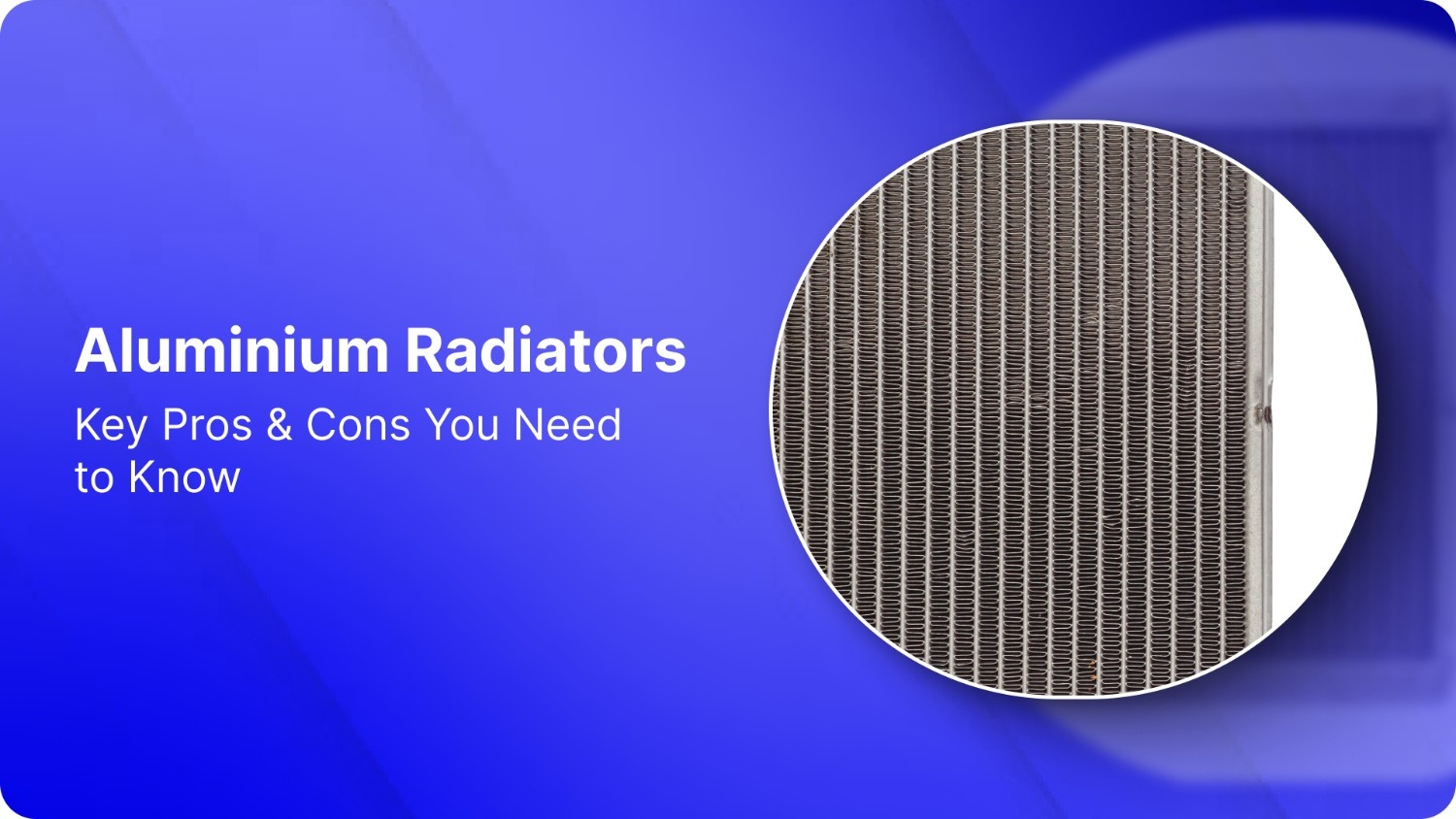
A heavy-duty radiator is a cooling system designed to manage the high heat output of engines in vehicles that operate under intense conditions. Built with stronger materials like aluminum, these radiators are engineered to handle continuous use, heavy loads, and extreme temperatures.
Unlike standard radiators, they offer improved cooling capacity and durability to prevent engine overheating in demanding environments like Airport Ground Support Equipment (GSE).
Now that you know what a heavy-duty radiator is, let’s explore how it works to keep your GSE running efficiently.
How Does a Heavy Duty Radiator Work?
A heavy-duty radiator plays a critical role in regulating engine temperatures by absorbing and releasing heat efficiently, especially under the heavy demands of Airport Ground Support Equipment (GSE).
Here's a deeper look at how it works:
Coolant Absorption:
As the engine operates, it generates significant heat. The coolant circulating through the engine absorbs this heat, preventing the engine from overheating.
The coolant is a specially formulated liquid that has high heat absorption properties.
Heat Transfer in the Radiator Core:
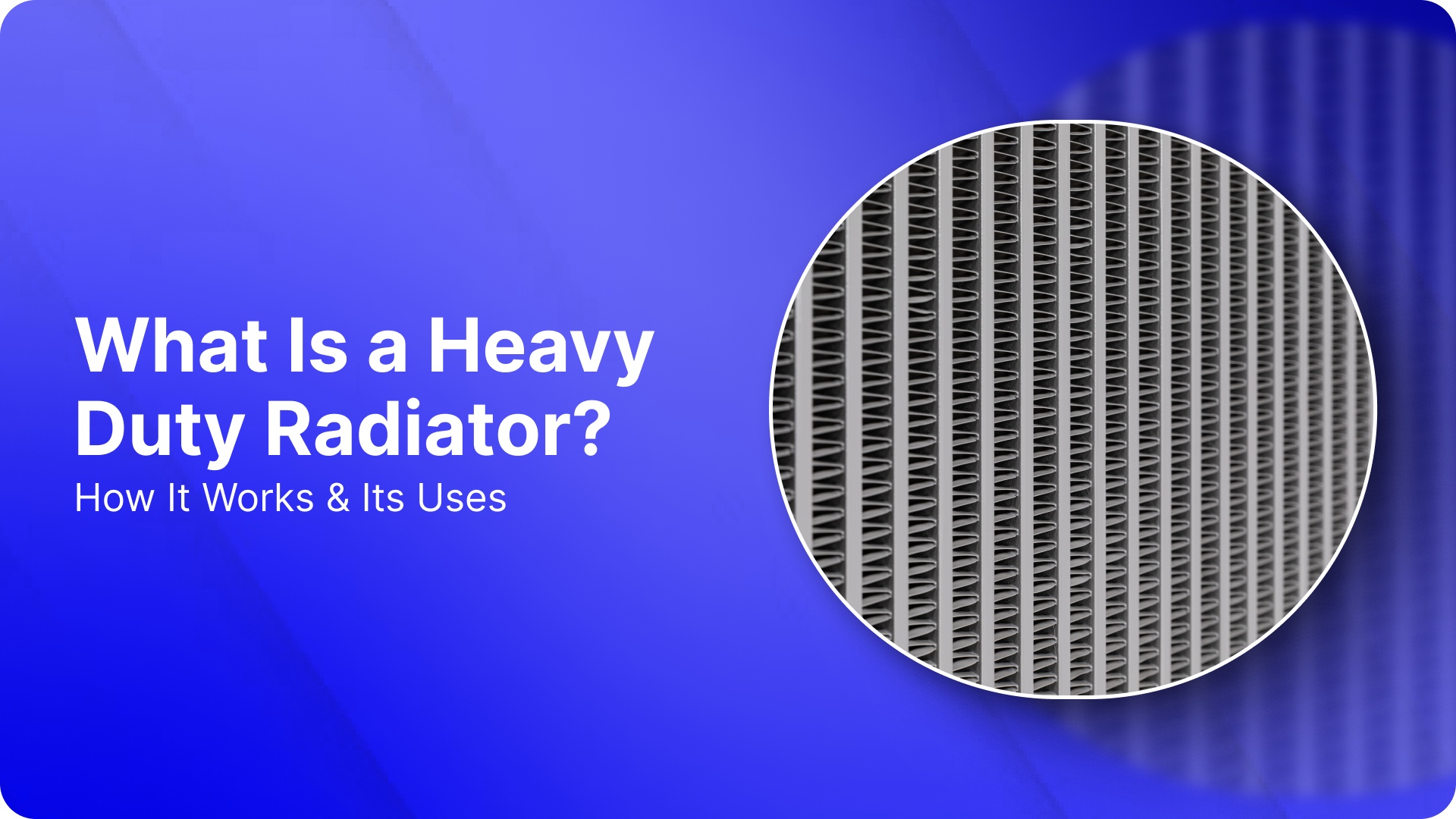
The heated coolant enters the radiator core, which is made up of tubes and fins.
As the coolant flows through these tubes, the heat is transferred to the metal fins, which increase the surface area for heat dissipation.
The fins allow the heat to be effectively released to the surrounding air.
Airflow Cooling:
The next step involves airflow, either from vehicle movement or a mechanical fan.
As air passes through the radiator's fins, it draws the heat out of the coolant, cooling it down significantly before it returns to the engine.
Continuous Coolant Cycle:
The cooled coolant then travels back to the engine, ready to absorb more heat.
This cycle repeats continuously as long as the engine is running, ensuring that it operates at the optimal temperature.
Now that you understand how a heavy-duty radiator works, let's take a closer look at its specific uses in Airport Ground Support Equipment (GSE), where reliable cooling is essential for maintaining continuous operations.
Uses of Heavy Duty Radiators in Airport Ground Support Equipment
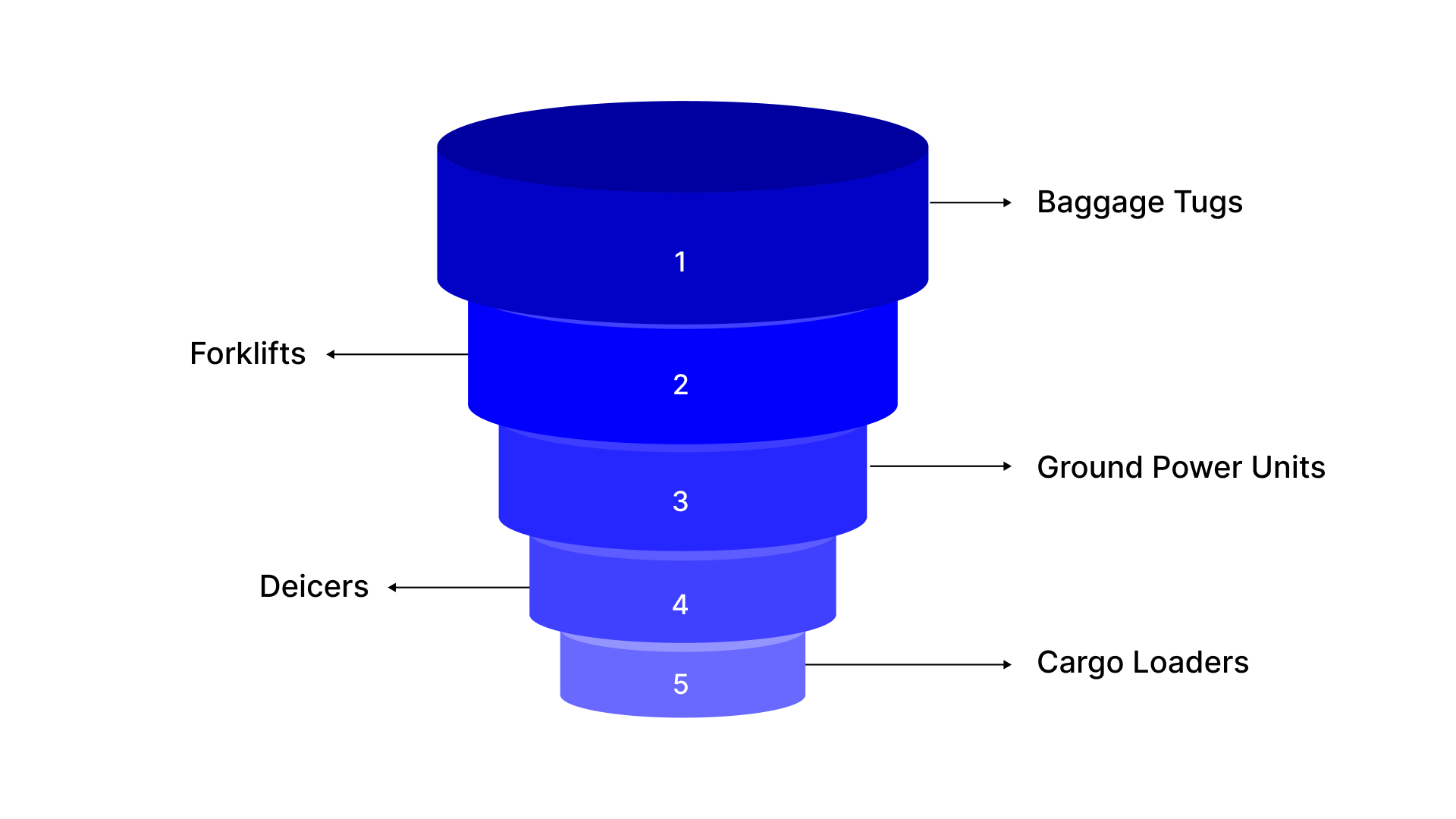
Heavy-duty radiators are crucial for the smooth operation of Airport Ground Support Equipment (GSE), which operates in demanding environments. These radiators ensure that vehicles like baggage tugs, forklifts, and GPUs don’t overheat during long hours of use.
Here’s a breakdown of how heavy-duty radiators are used in various GSE applications:
Baggage Tugs
Baggage tugs are used to transport luggage between the terminal and aircraft, requiring consistent performance over extended periods.
How it helps: A heavy-duty radiator prevents engine overheating during long hours of operation, ensuring the tug can handle heavy loads and continuous use without failure.
Forklifts
Forklifts are essential for loading and unloading heavy cargo at the airport. These vehicles are in constant motion, handling significant weight.
How it helps: The radiator ensures the engine remains cool during intensive lifting tasks, maintaining efficiency and preventing engine strain.
Ground Power Units (GPUs)
GPUs provide the necessary power to aircraft when on the ground, especially during turnaround.
How it helps: A heavy-duty radiator keeps the GPU's engine cool under continuous heavy-duty operation, ensuring it remains reliable and ready for use when needed.
Deicers
Deicing machines are used to remove ice from aircraft surfaces in cold weather conditions, working in extreme environments.
How it helps: The radiator prevents overheating in the deicing vehicle's engine, which is critical for maintaining performance in freezing temperatures.
Cargo Loaders
Cargo loaders are used to load and unload cargo from planes and move it around the airport. These vehicles require powerful engines for heavy lifting and constant movement.
How it helps: Heavy-duty radiators keep the engines cool during prolonged use, avoiding overheating and extending the life of the equipment.
These applications demonstrate how heavy-duty radiators are designed to meet the unique challenges of GSE, ensuring reliability and preventing downtime.
Now, let's take a look at the common causes of heavy-duty radiator failures and how they can impact the performance of your GSE fleet.
5 Common Causes of Heavy Duty Radiator Failures
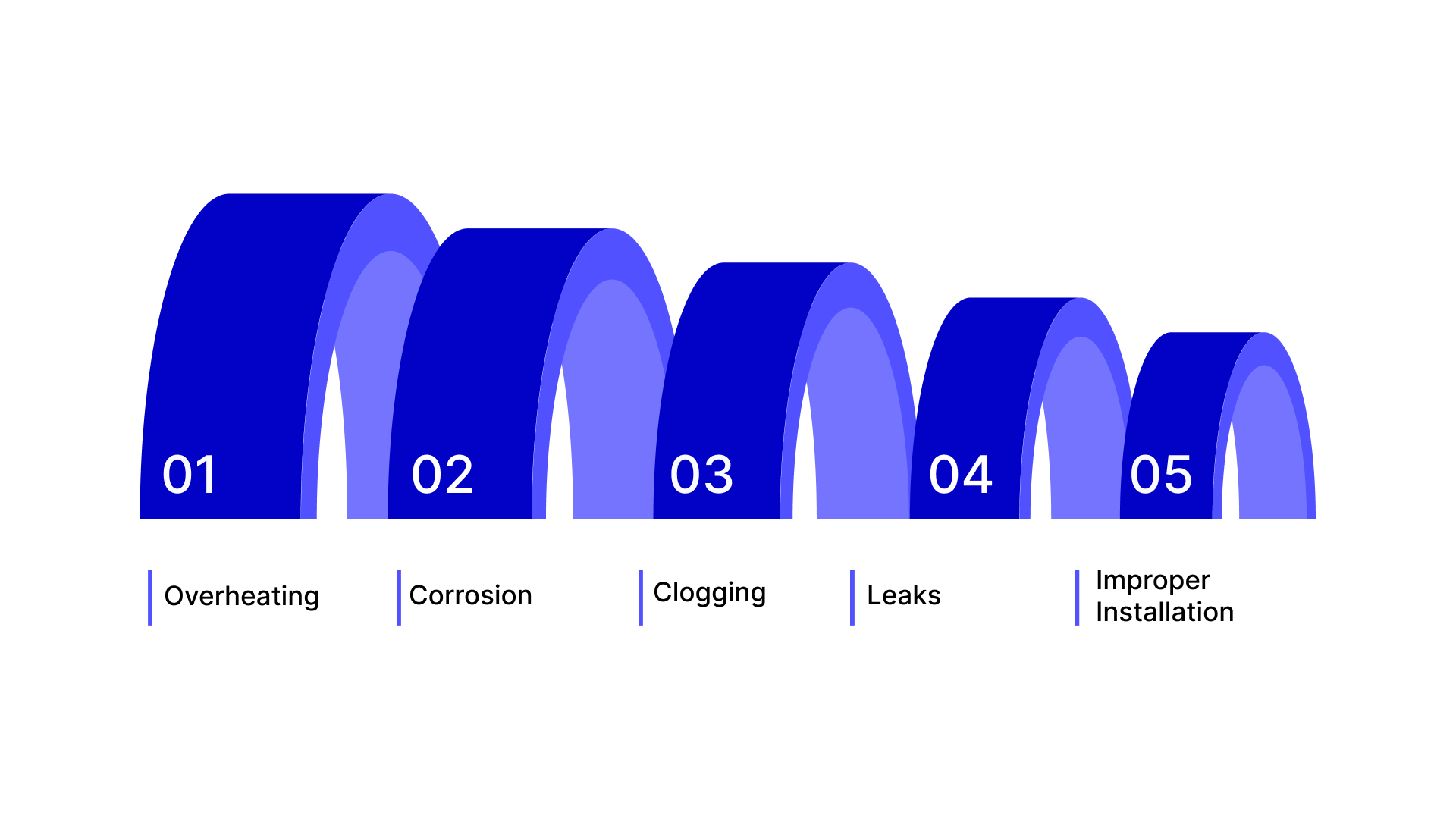
Heavy-duty radiators are essential for keeping your GSE running efficiently, but they can fail over time due to various factors. Understanding the common causes of radiator failures can help you take proactive steps to prevent costly downtime and repairs.
Here are the common causes of heavy-duty radiator failures and how to prevent them:
Overheating
Cause: Insufficient coolant, blocked airflow, or a malfunctioning thermostat can cause the engine to overheat.
How to overcome it: Regularly check coolant levels and ensure the radiator is clean and free from obstructions. Replacing worn-out thermostats can also help prevent overheating.
Corrosion
Cause: Exposure to harsh environments, chemicals, and moisture can lead to corrosion of the radiator's internal components.
How to overcome it: Use corrosion-resistant radiators, and perform routine inspections for signs of rust. Also, choose the right coolant that inhibits corrosion.
Clogging
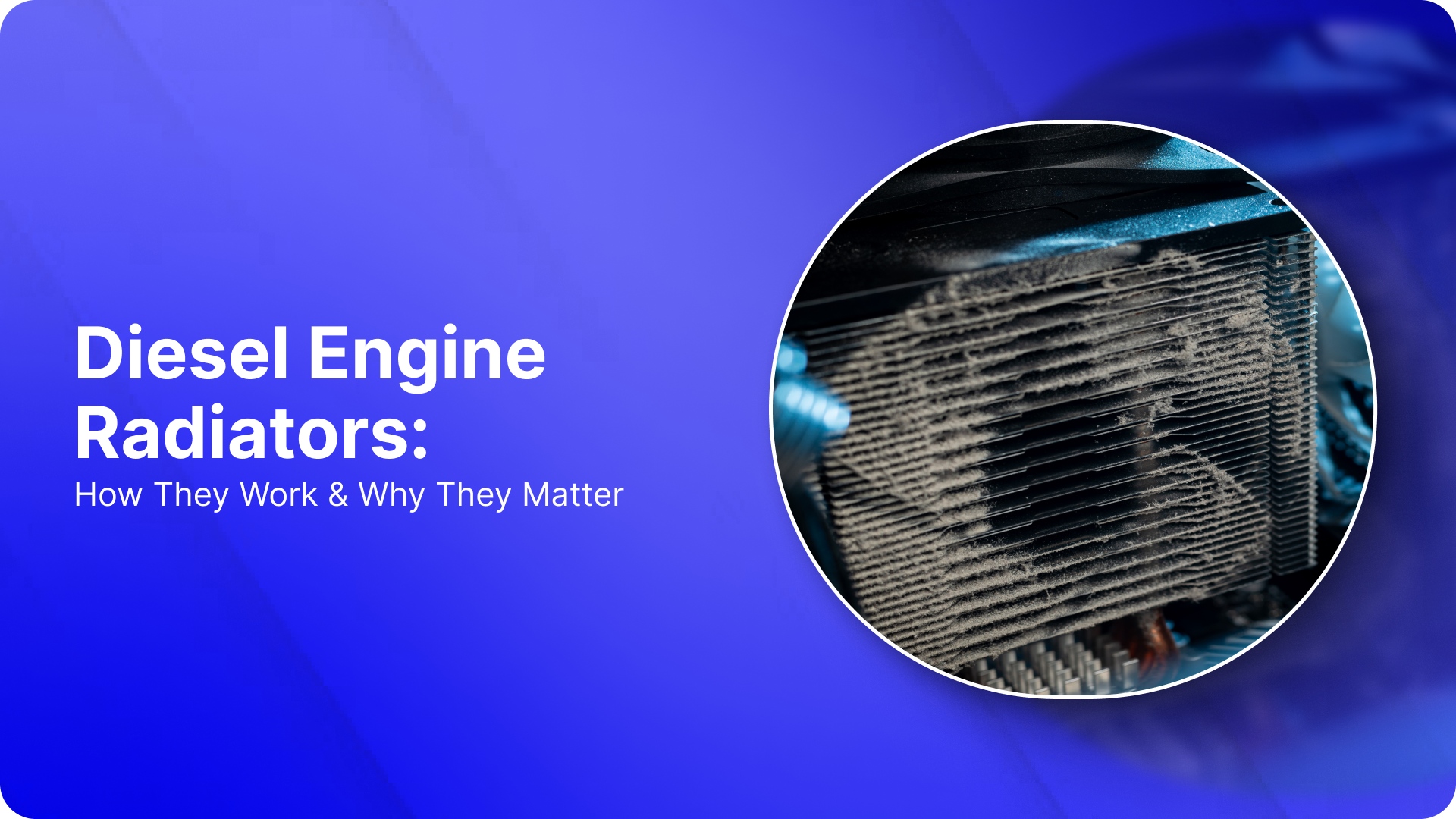
Cause: Dirt, debris, or old coolant can clog the radiator tubes, reducing coolant flow and efficiency.
How to overcome it: Regularly flush the radiator system and replace old coolant to ensure proper flow and cooling efficiency.
Leaks
Cause: Over time, the radiator can develop cracks or leaks, particularly in high-stress areas like joints and hoses.
How to overcome it: Inspect the radiator for cracks or leaks regularly. Immediate repairs or replacements of damaged parts can prevent further damage.
Improper Installation
Cause: Poor installation practices can lead to misalignment, vibrations, and ineffective cooling.
How to overcome it: Ensure proper installation by qualified professionals and check alignment regularly to avoid stress on the radiator.
Taking the necessary steps to avoid these common issues can greatly extend the lifespan of your heavy-duty radiator and keep your GSE fleet running smoothly.
Now that you know the potential failures, let’s move on to how to choose the right heavy-duty radiator to prevent these issues from occurring in the first place.
How to Choose the Right Heavy Duty Radiator for Your GSE?
Selecting the right heavy-duty radiator for your Airport Ground Support Equipment (GSE) is essential for maintaining performance and reliability. Factors like engine size, cooling capacity, and material quality play a crucial role in ensuring optimal radiator performance.
Here’s a quick guide to help you choose the right radiator for your GSE:
Factor | What to Consider | Why It Matters |
Engine Size and Capacity | Match the radiator size to the engine’s cooling needs. | A larger engine requires a larger radiator to prevent overheating. |
Cooling Capacity | Ensure the radiator has the right heat dissipation rate. | Sufficient cooling prevents engine overheating under heavy loads. |
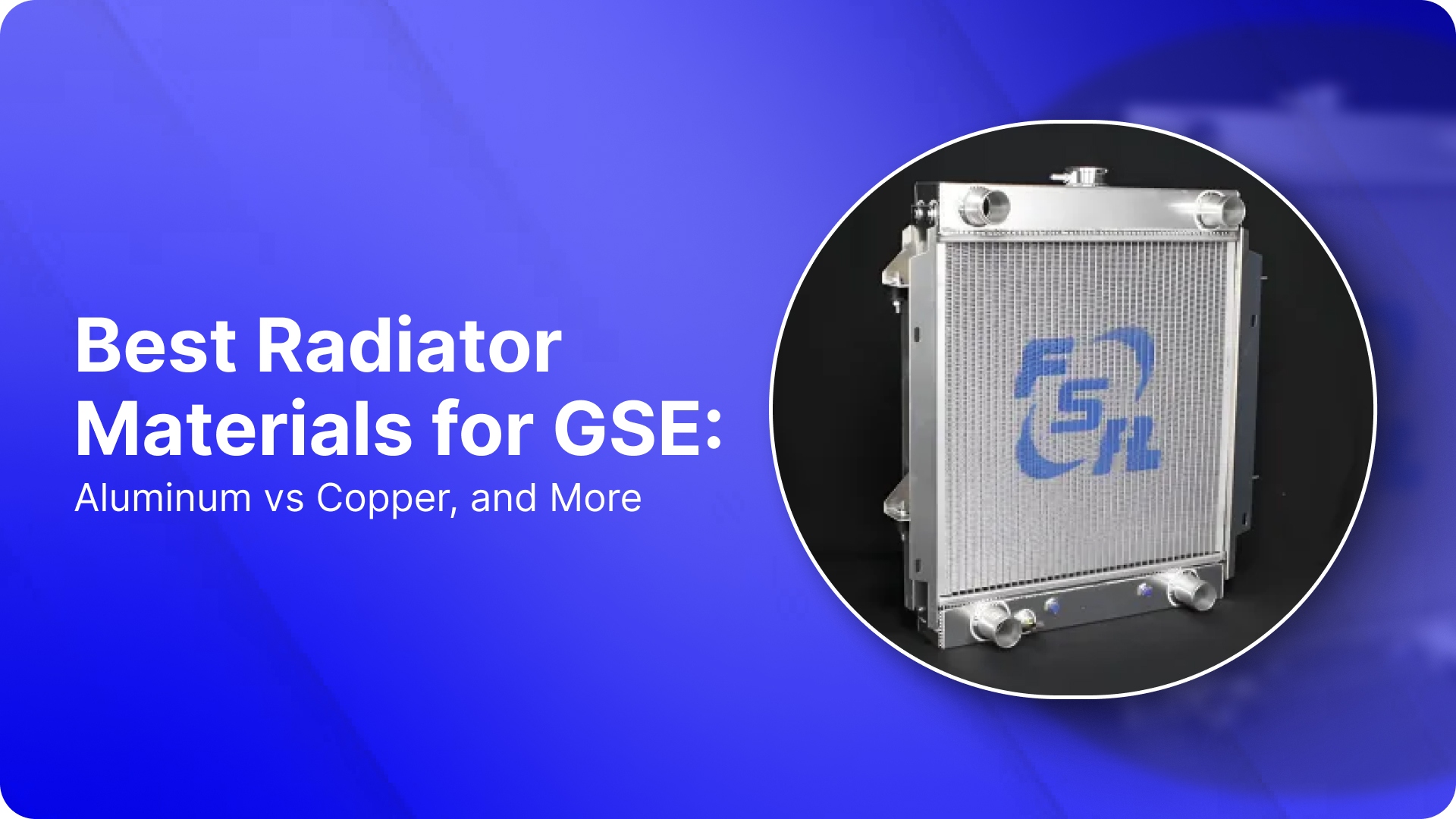
Material (Aluminum vs. Copper/Brass) | Choose aluminum for lightweight, corrosion-resistant options. | Aluminum radiators offer better heat dissipation and longer life for GSE. |
Durability | Look for radiators built to withstand extreme environments. | Durability ensures long-lasting performance, reducing maintenance. |
Compatibility | Ensure the radiator fits your GSE vehicle’s specific model. | Proper fit prevents inefficiency and potential damage from misalignment. |
By considering these factors, you can make an informed decision that keeps your GSE operating efficiently.
Next, let’s explore how to properly maintain and care for your heavy-duty radiator to ensure it lasts longer and performs optimally.
Maintenance and Care for Heavy Duty Radiators
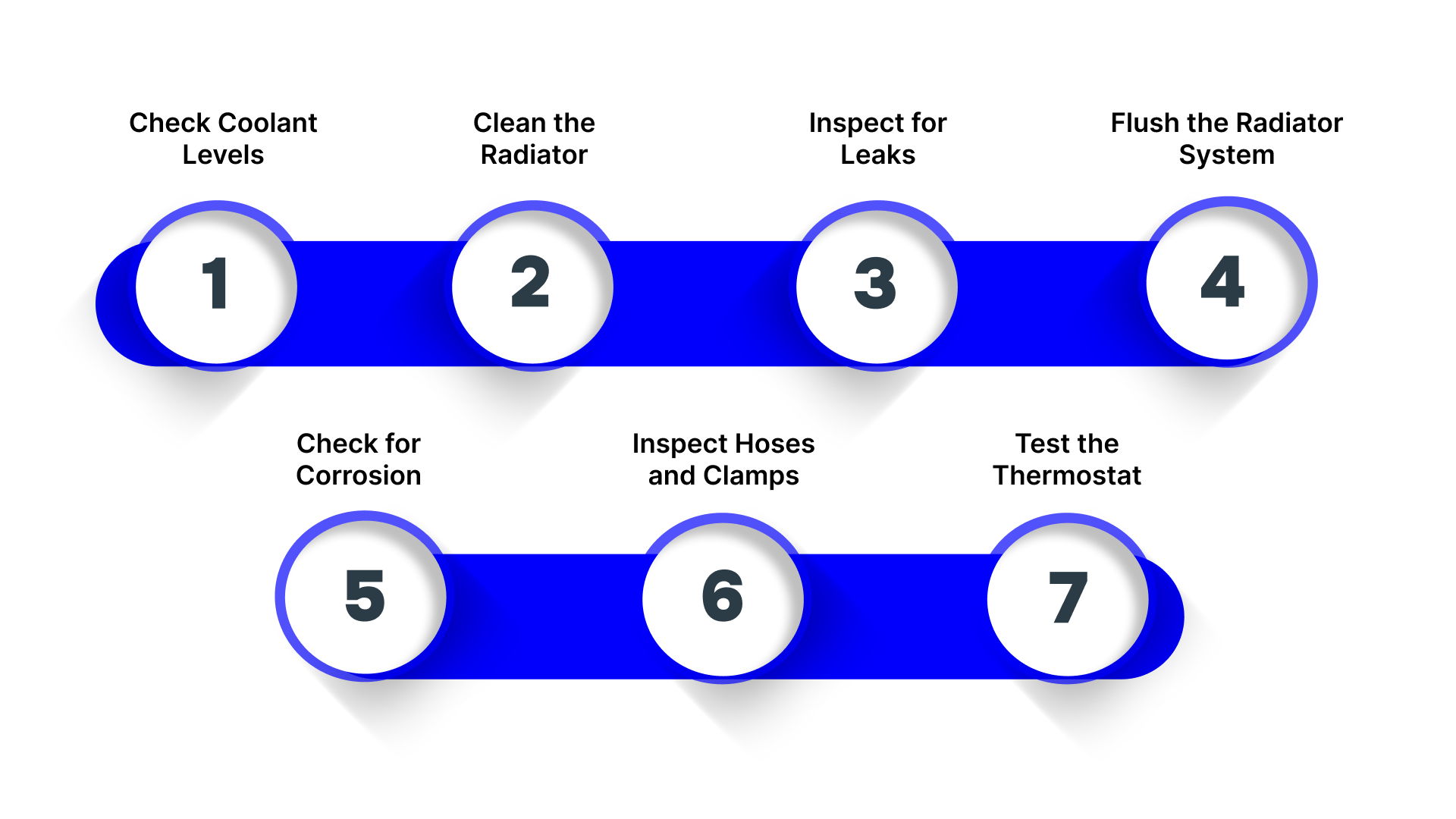
A well-maintained radiator ensures the efficiency and longevity of your Airport Ground Support Equipment (GSE). Keep your equipment in top shape with this quick maintenance checklist:
Check Coolant Levels
What to do: Ensure your coolant is at the proper level. Top off if necessary.
Tools Required: Coolant gauge, funnel, and the recommended coolant type.
Clean the Radiator
What to do: Clean dirt, debris, and leaves from the radiator's exterior to allow optimal airflow.
Tools Required: Soft brush, water, and cleaning solution (if necessary).
Inspect for Leaks
What to do: Look for cracks or leaks around the radiator and hoses.
Tools Required: Flashlight, inspection mirrors, and gloves.
Flush the Radiator System
What to do: Flush the radiator system and replace the old coolant with fresh coolant.
Tools Required: Radiator flush kit, fresh coolant, and drain pan.
Check for Corrosion
What to do: Inspect for rust or corrosion, especially at the seams and joints.
Tools Required: Wire brush, corrosion inhibitor (if needed), and gloves.
Inspect Hoses and Clamps
What to do: Check the hoses and clamps for wear, cracks, or looseness. Tighten or replace as necessary.
Tools Required: Pliers, wrenches, hose clamps, and replacement hoses if needed.
Test the Thermostat
What to do: Ensure the thermostat opens and closes properly to regulate coolant flow.
Tools Required: Thermometer, testing equipment, and replacement thermostat if necessary.
By regularly following this checklist, you'll keep your heavy-duty radiator functioning at peak performance, ensuring that your GSE operates efficiently and reliably.
Is Your GSE Ready to Perform at Its Best?
Choosing the right heavy-duty radiator for your Airport Ground Support Equipment (GSE) is crucial for maintaining efficiency and preventing costly downtime. Regular maintenance ensures the radiator continues to perform under demanding conditions, keeping your equipment running smoothly.
At FSR Products, we specialize in providing top-quality, durable radiators designed specifically for airport ground support equipment. Our radiators are engineered to meet the high demands of GSE, offering long-lasting performance.
Here's what we offer:
Heavy-duty radiators for GSE vehicles like tugs, forklifts, and GPUs
Custom radiator solutions personalized to specific GSE needs
Corrosion-resistant designs for improved durability
Expert guidance on selecting and maintaining the right radiator
Contact us today to discover how the right radiator can improve the performance and reliability of your GSE fleet.
FAQs
What factors affect the lifespan of a heavy-duty radiator?
Coolant quality, regular maintenance, and exposure to harsh conditions like corrosion or debris impact a radiator's lifespan.
Can a radiator be repaired instead of replaced?
Yes, minor leaks or cracks can be repaired, but severe damage or corrosion usually requires a full replacement.
How often should I replace the coolant in my heavy-duty radiator?
Coolant should be replaced every 1 to 2 years, depending on the manufacturer’s recommendations and usage conditions. Regular coolant replacement helps maintain optimal radiator function and prevents system blockages.
Can extreme weather conditions impact radiator performance?
Yes, extreme heat or cold can strain the radiator, affecting its cooling efficiency and potentially causing overheating or freezing.
How can I tell if my radiator is clogged?
Signs of a clogged radiator include engine overheating, poor air circulation, and unusual engine noises. If the radiator feels unusually hot or the coolant flow is reduced, it may be time to inspect or flush the system.