When it comes to choosing the right radiator for your airport ground support equipment (GSE), the decision can significantly impact operational efficiency and downtime. With many options on the market, aluminium radiators stand out due to their balance of performance and affordability. But are they the right choice for your equipment?
Understanding the pros and cons of aluminium radiators is crucial for making an informed decision that aligns with your specific needs. These radiators offer various advantages, but they also come with limitations that could affect the longevity and performance of your vehicles.
This article breaks down the key benefits and drawbacks of aluminium radiators for GSE, and why they might be the ideal solution or not for your fleet.
At a glance
Aluminium radiators are lightweight, corrosion-resistant, and provide efficient cooling, making them ideal for airport ground support equipment (GSE).
They are cost-effective compared to copper and brass, offering a balance of affordability and performance.
Key benefits include durability, heat dissipation, and reduced vehicle weight, improving fuel efficiency and vehicle handling.
However, they can be more prone to impact damage, leaks, and have lower resistance to high pressures than other materials.
When choosing the right radiator, consider customization, vehicle requirements, and environmental factors for optimal performance.
What Are Aluminium Radiators?
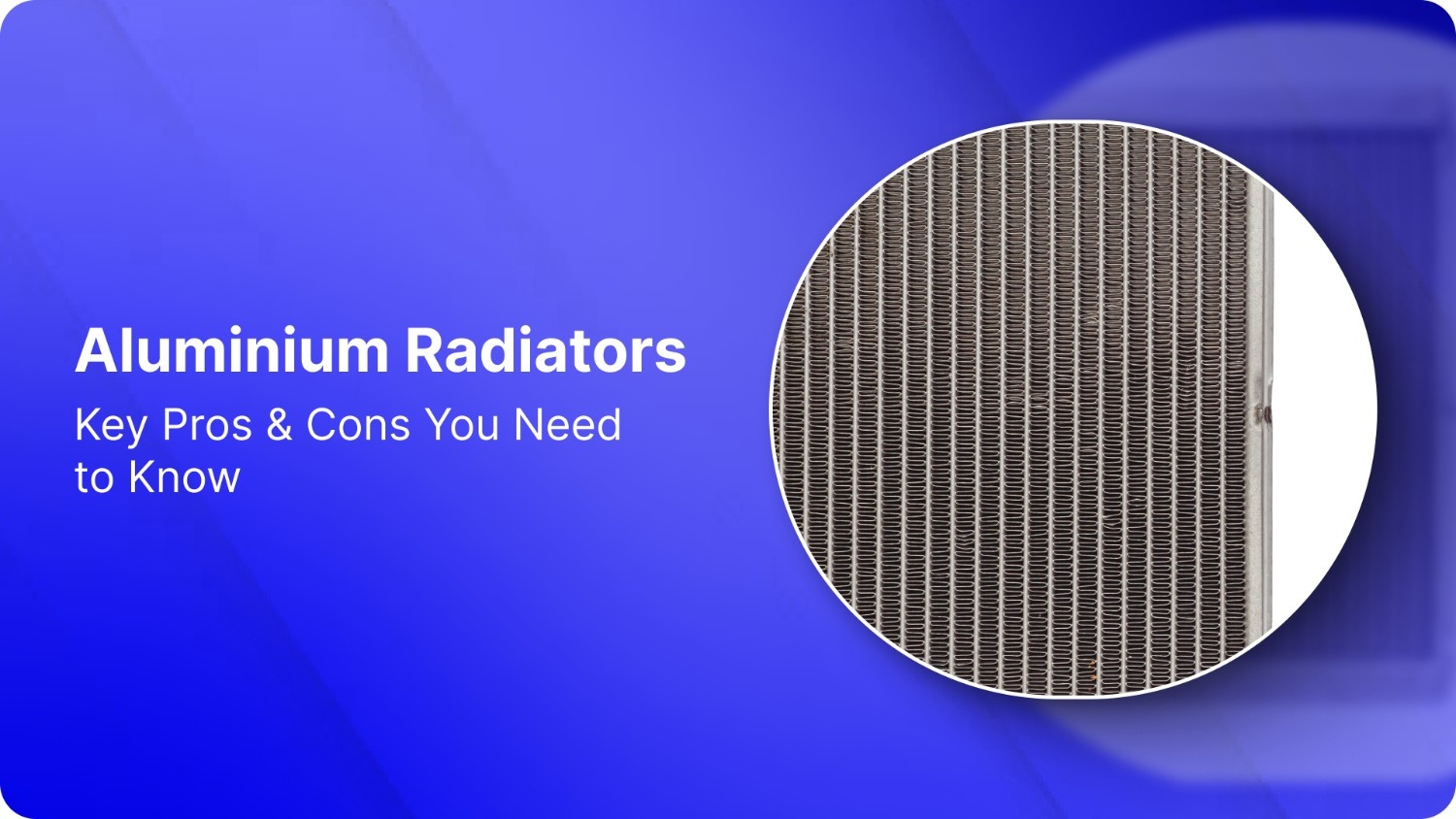
Aluminium radiators are cooling components made from lightweight and corrosion-resistant aluminium, commonly used in various applications, including airport ground support equipment (GSE) like baggage tugs, forklifts, and cargo loaders.
These radiators are designed to effectively dissipate heat, ensuring optimal engine performance and reducing the risk of overheating. Their efficiency, combined with affordability and durability, makes them a popular choice for vehicles operating in demanding environments like airports.
Now, let's take a closer look at the key pros of aluminium radiators and why they're often the preferred choice for GSE.
Pros of Aluminium Radiators for GSE: Key Benefits Explained
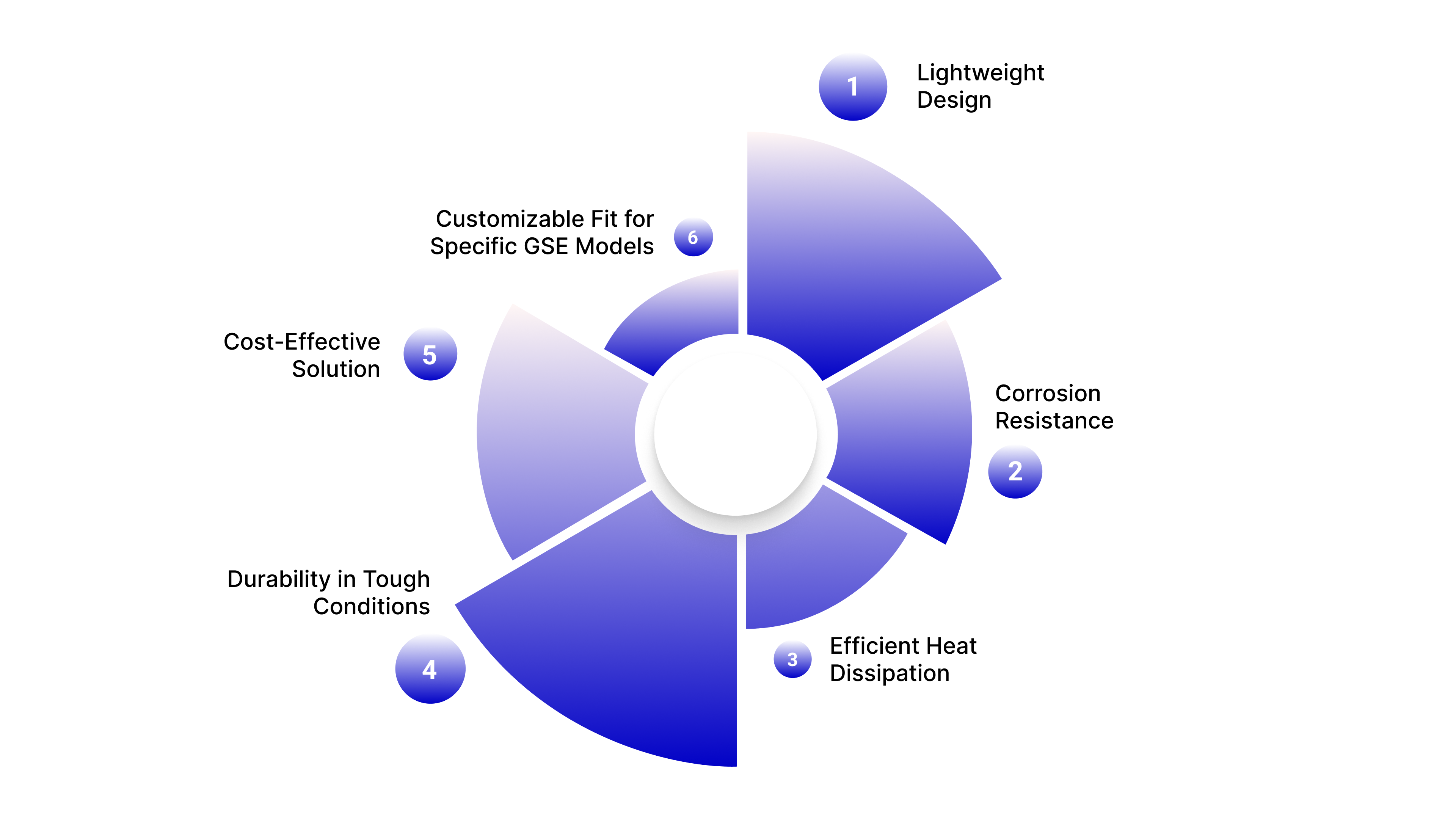
Aluminium radiators provide multiple advantages, making them an excellent choice for airport ground support equipment (GSE). They offer key benefits like lightweight design, corrosion resistance, and efficient cooling, helping to improve vehicle performance and reduce operational costs.
Here’s why aluminium radiators stand out:
Lightweight Design
Aluminium is much lighter than traditional copper or brass radiators, which reduces the overall weight of ground support equipment.
How it helps: Lighter vehicles experience less strain on engines, improving fuel efficiency, handling, and overall vehicle performance, which is crucial for fast-moving airport operations.
Corrosion Resistance
Aluminium naturally resists corrosion from exposure to harsh chemicals, moisture, and salt, common in airport environments.
How it helps: Withstanding de-icing agents and extreme weather conditions reduces the risk of damage and downtime, extending the lifespan of the radiator and keeping operations running smoothly.
Efficient Heat Dissipation
Aluminium radiators are known for their excellent heat transfer properties, ensuring quick and effective heat dissipation from the engine.
How it helps: Preventing engine overheating ensures that GSE remains operational without interruptions, improving reliability and reducing the risk of engine failure during critical tasks.
Durability in Tough Conditions
Built to withstand daily wear and tear, aluminium radiators hold up well in demanding environments, even under high-stress conditions.
How it helps: The strong nature of aluminium reduces the frequency of radiator replacements, ultimately lowering maintenance costs and downtime while improving vehicle longevity.
Cost-Effective Solution
Aluminium is generally more affordable than copper and brass, offering a great balance of performance and value.
How it helps: By providing high-quality cooling at a lower cost, aluminium radiators help keep fleet expenses under control without compromising on essential performance and efficiency.
Customizable Fit for Specific GSE Models
Aluminium radiators can be personalized to meet the precise requirements of various GSE models, ensuring a perfect fit.
How it helps: Customization ensures that each vehicle receives optimal cooling based on its specific design and operational needs, increasing the overall efficiency and reliability of the fleet.
These key benefits make aluminium radiators a practical and reliable choice for airport ground support operations.
However, it's important to also consider the limitations before making a decision. Let's take a look at the cons of aluminium radiators next.
Cons of Aluminium Radiators: What to Consider Before Choosing
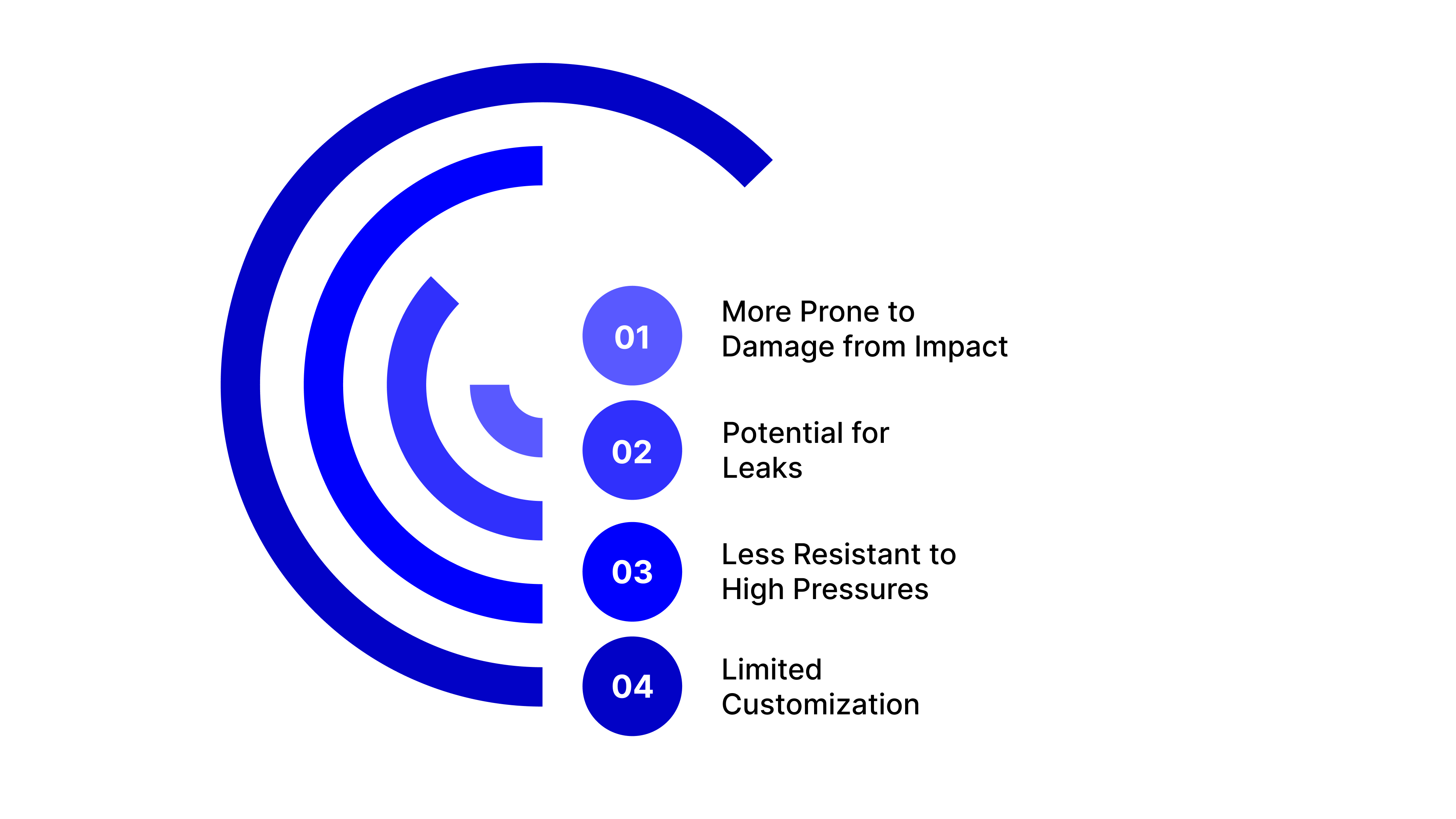
While aluminium radiators offer numerous benefits, they also come with certain drawbacks that could affect performance and longevity in specific applications.
Here are the main cons of aluminium radiators to consider:
More Prone to Damage from Impact
Aluminium is a softer material compared to copper and brass, making it more susceptible to dents and physical damage.
How it affects you: In high-traffic environments like airports, radiators can be easily damaged by impacts from equipment or other vehicles, which could lead to leaks or inefficiency.
Potential for Leaks
The softer nature of aluminium makes it more prone to developing cracks or leaks over time, especially under high-pressure conditions.
How it affects you: Leaks can lead to coolant loss, engine overheating, and potential downtime if not detected and repaired promptly, increasing maintenance costs and reducing efficiency.
Less Resistant to High Pressures
Aluminium radiators tend to have lower resistance to high-pressure environments compared to materials like brass or copper.
How it affects you: If your GSE operates in applications requiring higher-pressure cooling systems, aluminium may not perform as well, potentially leading to radiator failure under extreme conditions.
Limited Customization
While aluminium is versatile, it may not always meet the highly specific needs of all GSE vehicles.
How it affects you: Customization challenges can make it difficult to find the perfect fit for non-standard vehicles, leading to potential compatibility issues and inefficiencies.
Considering these drawbacks is important when evaluating whether aluminium radiators are the right choice for your GSE fleet.
Let's compare aluminium radiators with other materials to help you make the most informed decision.
Aluminium Radiators vs. Other Materials: A Detailed Comparison
Choosing the right radiator material for your GSE is crucial for optimizing performance and minimizing costs. While aluminium is a popular choice, other materials like copper and brass also have their own set of advantages.
Here's a comparison of aluminium, copper, and brass radiators:
Feature | Aluminium Radiators | Copper Radiators | Brass Radiators |
Weight | Light and reduces vehicle weight | Heavier, increases strain on vehicles | Heavier, can affect vehicle performance |
Corrosion Resistance | Highly resistant to corrosion, ideal for harsh environments | Less corrosion-resistant than aluminium, prone to rust | Moderate resistance, less than aluminium |
Heat Dissipation | Excellent heat transfer, ideal for engine cooling | Superior heat dissipation, better for high-performance engines | Good heat dissipation, but less efficient than aluminium |
Durability | Durable, but prone to impact damage | Extremely durable but susceptible to oxidation | Durable, with better impact resistance than aluminium |
Cost | Affordable, great value for money | More expensive, but long-lasting | More expensive than aluminium, but cheaper than copper |
Customization | Easily customizable for GSE models | Difficult to customize for non-standard applications | Customization options are limited and more expensive |
This comparison highlights the unique strengths and weaknesses of each material, helping you make an informed decision based on your GSE fleet's needs. Next, let's explore how to choose the right radiator for your GSE.
How to Choose the Right Radiator for Your GSE
Selecting the right radiator for your GSE involves evaluating several key factors to ensure it meets your specific operational requirements. From performance efficiency to customization options, it's essential to focus on what matters most for your vehicles.
Checklist for Choosing the Right Radiator:
Vehicle Type: Ensure the radiator fits the specific model of your GSE (e.g., baggage tugs, forklifts).
Cooling Capacity: Choose a radiator with the appropriate cooling efficiency for your vehicle's engine size and operating conditions.
Material Type: Consider whether aluminium, copper, or brass is best based on your GSE's operational environment.
Weight Considerations: Select a lightweight radiator (preferably aluminium) for better fuel efficiency and handling.
Durability Requirements: Evaluate the material's ability to withstand harsh conditions like extreme temperatures, salt, and chemicals.
Cost: Balance performance with budget, aluminium often offers the best value without compromising on quality.
Customization Needs: Determine if custom sizing or specific features are required for a perfect fit.
Maintenance and Repairs: Consider long-term maintenance costs and ease of repair for the radiator.
By following this checklist, you can ensure that you choose the right radiator to optimize your GSE fleet's performance and longevity.
Now, let's take a look at FSR Products and how we provide radiator solutions for your GSE needs.
FSR Products: Why We Stand Out in Aluminium Radiators for GSE
At FSR Products, we specialize in manufacturing high-performance aluminium radiators specifically designed for airport ground support equipment (GSE). With a focus on customization, durability, and efficiency, we offer personalized solutions that meet the unique needs of the GSE industry.
Here's why we are the ideal choice for aluminium radiators for GSE:
Custom Solutions: Our radiators are designed to meet the exact specifications of your GSE, ensuring a perfect fit.
Durability: We build our radiators to withstand the demanding environment of airport operations, reducing downtime and maintenance costs.
Efficient Cooling: Our radiators offer superior heat dissipation, ensuring optimal engine performance and preventing overheating.
Cost-Effective: We offer high-quality radiators at competitive prices, providing great value without compromising performance.
FSR Products provides personalized, durable, and efficient solutions that help keep your GSE fleet performing at its best.
Wrapping Up
Aluminium radiators provide key advantages like lightweight design, corrosion resistance, and effective heat dissipation, but they also have limitations, such as impact damage and pressure resistance. Understanding these factors will help you choose the best option for your GSE fleet.
FSR Products offers high-quality aluminium radiators, designed for durability and efficiency in airport ground support equipment. With customized solutions, we ensure optimal performance and reduced downtime for your fleet.
Looking for the ideal radiator solution for your GSE? Contact us today and discover how we can improve your fleet's efficiency.
FAQs
Are aluminium radiators suitable for heavy-duty vehicles?
Yes, aluminium radiators are ideal for heavy-duty vehicles like those in airport ground support. They provide efficient cooling while being lightweight, making them perfect for high-performance applications.
How long do aluminium radiators typically last?
Aluminium radiators generally have a long lifespan, often lasting up to 10-15 years, depending on usage and maintenance. Regular care can extend their life, even in harsh environments.
Can aluminium radiators be repaired if damaged?
Yes, aluminium radiators can often be repaired, though extensive damage may require replacement. Proper maintenance can prevent major issues and extend the functionality.
Do aluminium radiators perform well in extreme weather conditions?
Yes, aluminium radiators excel in extreme weather conditions, offering corrosion resistance against salts and de-icing chemicals, making them suitable for airport operations in harsh climates.
Are aluminium radiators more efficient than steel radiators?
Aluminium radiators are typically more efficient than steel due to their superior heat dissipation properties, making them the preferred choice for vehicles that need effective cooling.