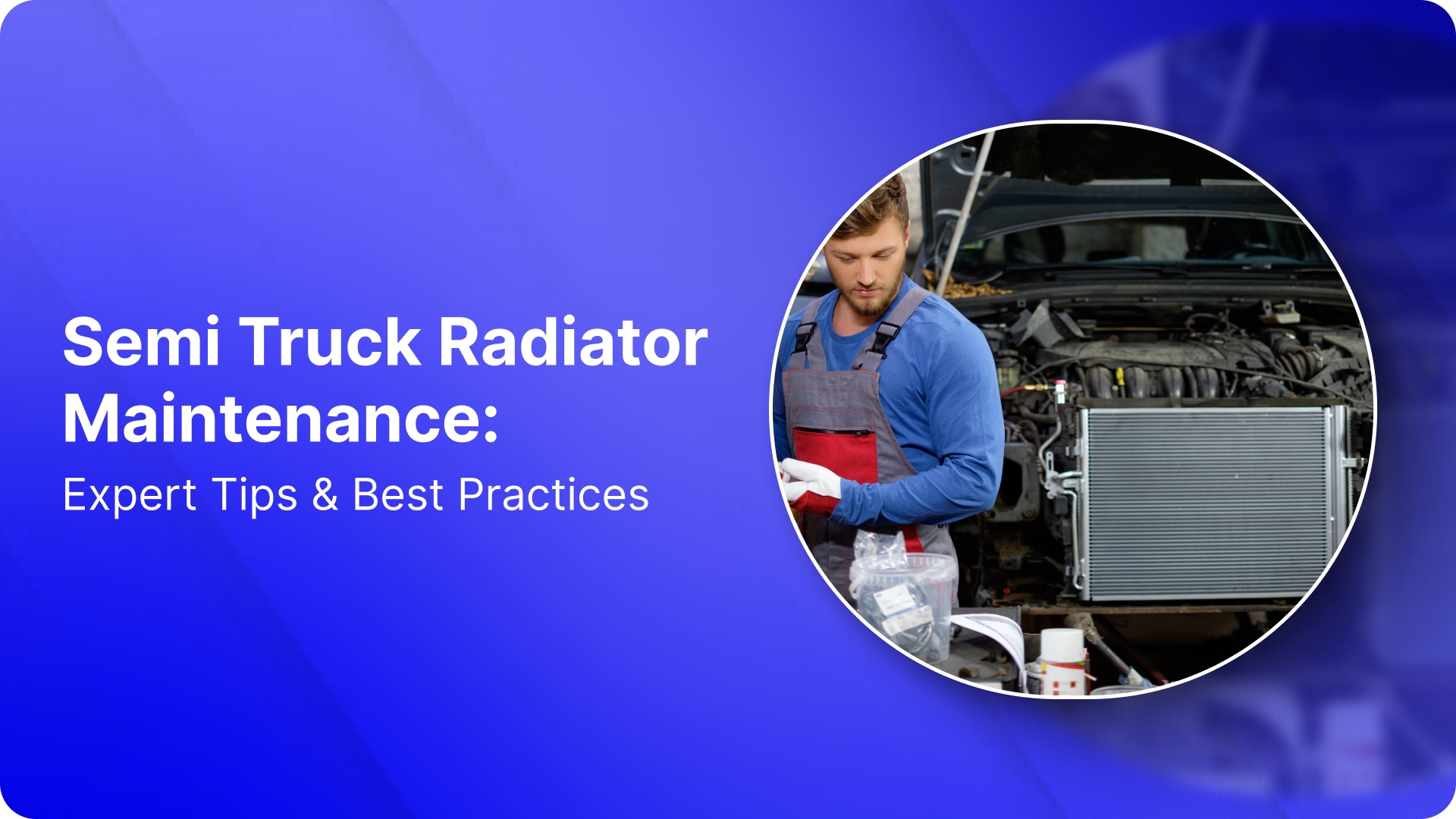
A poorly maintained truck radiator can quickly escalate from a minor issue to a costly problem. For procurement managers overseeing semi trucks, radiator failure often leads to unexpected downtime, expensive repairs, and operational inefficiency.
The last thing you want is a truck that can't stay cool under pressure, especially when managing airport ground support equipment (GSE).
Radiator maintenance may not always seem urgent, but it's key to extending your engine's lifespan and ensuring trucks run at peak efficiency. In fact, truck radiator maintenance is one of the best ways to avoid engine overheating, which can lead to serious damage.
This article covers the top 6 radiator maintenance tips to help you keep your fleet running smoothly, improve longevity, and reduce costly repairs.
Key Takeaways
Regular radiator cleaning and coolant checks are key to preventing overheating and extending engine life.
Inspect hoses and connections to avoid leaks that could lead to engine failure.
Monitor coolant levels and use the right mixture to prevent damage to the radiator system.
Flushing the radiator annually ensures optimal performance and prevents corrosion.
Upgrading to high-performance radiators can improve efficiency for older trucks or demanding operations.
Why Radiator Maintenance is Crucial for Semi Trucks?
Proper radiator maintenance is essential to ensure your semi trucks remain operational and efficient. Radiators regulate engine temperature, preventing overheating that can lead to engine damage and costly repairs.
Without routine checks, radiators can become clogged or develop leaks, leading to breakdowns and reduced vehicle performance. Regular maintenance not only improves the lifespan of your trucks but also helps avoid downtime, which can be costly, especially for airport ground support equipment.
With these crucial aspects in mind, let's look into the top 6 tips for keeping your semi truck radiators in optimal condition.
Top 6 Tips for Semi Truck Radiator Maintenance
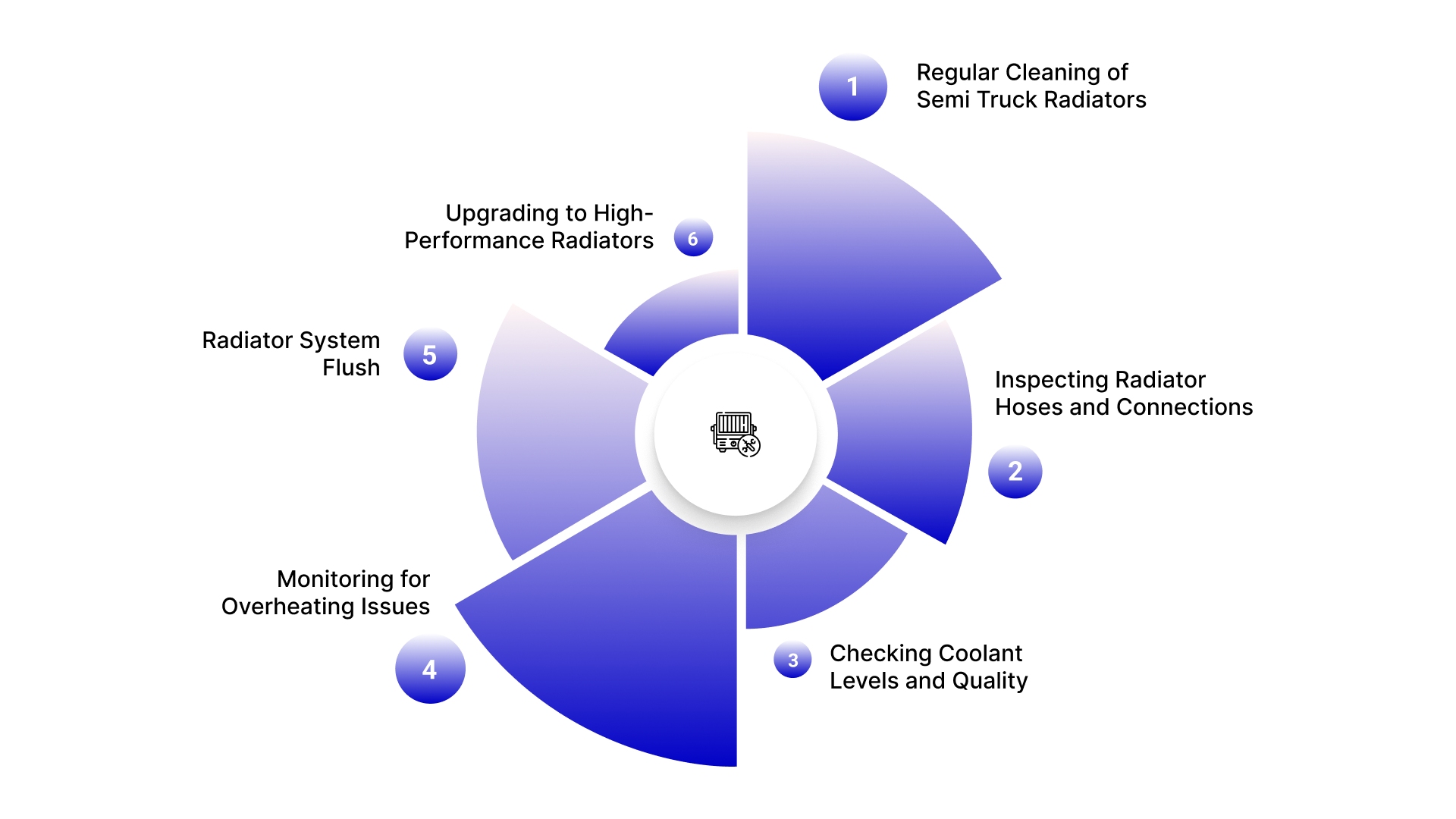
Maintaining your semi truck radiator is straightforward when you follow the right steps. By implementing these 6 essential tips, you can keep your radiator in top condition, reduce the risk of overheating, and improve engine efficiency.
Let's take a closer look at each of these key maintenance practices.
Regular Cleaning of Semi Truck Radiators
Why It's Essential:
Dirt, debris, and road grime block airflow, which is vital for the radiator's cooling process. Over time, this buildup reduces the radiator's efficiency, leading to overheating and engine damage.
How to Clean:
Use a Soft Brush: Gently brush off dirt and debris from the radiator fins. Avoid bending the fins, as this can restrict airflow.
Pressure Washing: Use a low-pressure setting to wash the radiator. Focus on the core to clear any heavy buildup without damaging the radiator.
Frequency: Clean every 6 months or more often if trucks are exposed to heavy dust or debris, especially in ground support environments.
Pro Tip: Perform a cleaning before peak operational periods, like summer or during high-use times, to prevent overheating.
Inspecting Radiator Hoses and Connections
Why It's Essential:
Faulty hoses or loose connections can lead to coolant leaks, which drastically reduce radiator performance and can cause the engine to overheat.
How to Inspect:
Visual Checks: Inspect hoses for cracks, bulges, or any signs of wear. Ensure clamps are tightly secured to prevent leaks.
Tightening: Regularly check that all hose connections are secure, especially after long trips or during routine maintenance.
Pro Tip: Replace any hoses that show signs of wear, especially for trucks with high mileage or older models. Preventative hose replacement is cheaper than dealing with sudden failures.
Checking Coolant Levels and Quality
Why It's Essential:
Coolant maintains the radiator's temperature control and prevents the engine from overheating. Insufficient or poor-quality coolant can lead to radiator inefficiency and engine damage.
How to Check:
Coolant Level: Check the coolant level when the engine is cold. Make sure the coolant reservoir is filled to the recommended level.
Coolant Quality: If the coolant appears rusty, murky, or sludgy, it's time for a replacement. Old coolant can lead to corrosion inside the radiator and engine.
Pro Tip: Always use the manufacturer's recommended coolant type and ensure the proper 50/50 mixture of coolant and water.
Monitoring for Overheating Issues
Why It's Essential:
Overheating is a clear sign that something's wrong with the radiator or cooling system. If left unchecked, overheating can cause engine failure and other serious damage.
How to Monitor:
Temperature Gauge: Pay attention to the truck's temperature gauge. A steady rise in temperature indicates a problem.
Steam or Warning Lights: If you notice steam or the engine overheating light comes on, pull over immediately and check for coolant leaks or low levels.
Pro Tip: Never ignore a rising temperature gauge; early detection of overheating can save you from costly engine damage.
Radiator System Flush: When and How to Do It
Why It's Essential:
Flushing the radiator removes old coolant, debris, and scale buildup that can clog the system. Regular flushing ensures optimal flow and prevents corrosion.
How to Flush:
Drain Old Coolant: Remove the old coolant from the system by opening the drain plug at the bottom of the radiator.
Flush with Water: Use clean water to flush the system, clearing out old coolant and debris.
Refill with Fresh Coolant: Once the system is flushed, refill with the correct coolant mixture recommended by the manufacturer.
Pro Tip: Perform a radiator flush every 30,000 miles or annually for trucks with high usage. Regular flushing keeps the system in top condition and prevents corrosion.
Upgrading to High-Performance Radiators
Why It's Essential:
If your truck is older or frequently used in demanding conditions, upgrading to a high-performance radiator can improve cooling efficiency, reduce overheating risks, and extend the lifespan of the engine.
When to Upgrade:
High-Mileage Trucks: If your truck is over 10 years old or frequently experiences overheating.
Extreme Operating Conditions: Trucks used in high-temperature environments or heavy-duty applications like airport ground support equipment should consider high-performance radiators.
Pro Tip: Consult with an expert to determine the best high-performance radiator for your semi truck, taking into account truck load, climate, and operating hours.
To ensure your radiator performs optimally over time, it's important to follow some key best practices that go beyond regular maintenance. Let’s explore these strategies for keeping your radiator in top condition for the long haul.
5 Best Practices for Long-Term Semi Truck Radiator Maintenance
For lasting radiator efficiency, implementing best practices in maintenance is just as important as regular checks.
By adopting these best practices, you can keep your radiators running efficiently for years to come. Here are the key strategies to follow:
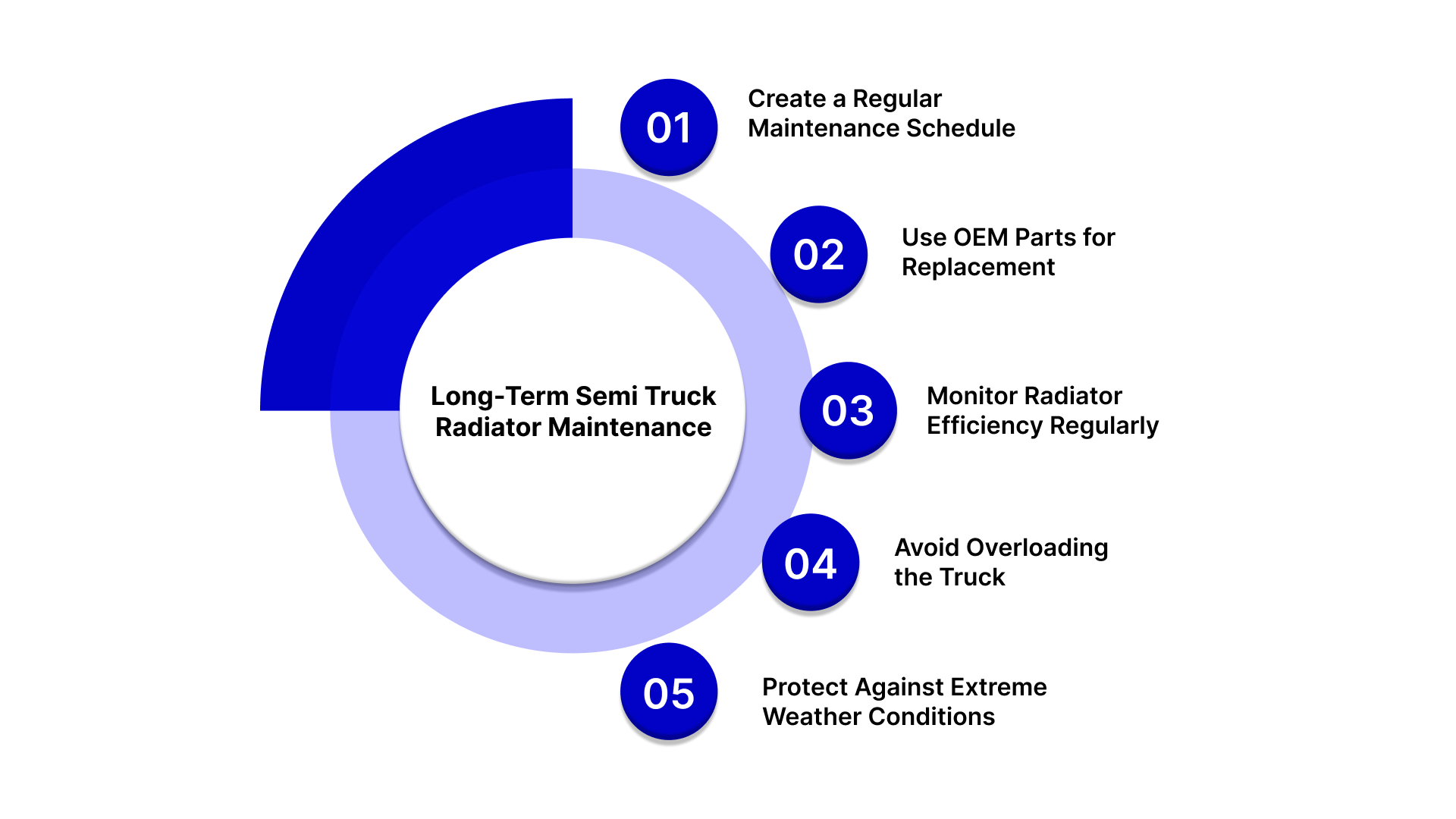
Create a Regular Maintenance Schedule: Set reminders to clean the radiator, check coolant levels, and perform system flushes every 6,000-8,000 miles to stay ahead of potential issues.
Use OEM Parts for Replacement: Always opt for Original Equipment Manufacturer (OEM) parts to ensure compatibility, optimal performance, and long-term durability.
Monitor Radiator Efficiency Regularly: Use infrared thermometers to check surface temperatures and coolant temperature monitors to identify potential overheating issues early.
Avoid Overloading the Truck: Adhere to weight limits to prevent excessive strain on the engine and radiator, which can lead to overheating and premature failure.
Protect Against Extreme Weather Conditions: Winterize your truck's radiator in cold climates and consider high-performance radiators for operations in hot environments to prevent stress on the system.
By consistently following these best practices, you'll ensure that your semi truck's radiator stays in top working condition.
Now that you know the best practices to maintain your semi truck radiator, let's look into why FSR Products should be your go-to solution for high-performance, durable radiators.
Why Choose FSR Products for Your Semi Truck Radiator Needs?
At FSR Products, we specialize in providing reliable, high-performance radiators designed specifically for ground support equipment, including trucks. With a focus on durability and efficiency, we ensure that each radiator is built to withstand demanding environments.
Here’s what we offer:
Custom-engineered radiators for all types of ground support equipment.
High-performance cooling solutions customized to meet operational demands.
OEM-quality parts for seamless integration and reliable performance.
Long-lasting durability is designed to minimize downtime and maintenance.
Our commitment to precision and quality makes us a trusted partner for maintaining your fleet's performance.
Wrapping Up
Maintaining your truck's radiator is crucial for avoiding overheating and costly repairs. Regular cleaning, coolant checks, and timely upgrades ensure long-lasting performance and reduce downtime.
FSR Products provides durable, high-performance radiators for all types of ground support equipment, engineered for reliability in demanding environments. Our solutions are designed to keep your fleet running efficiently.
Looking for reliable radiators for your fleet? Contact us today and see how we can help minimize downtime and improve performance.
FAQs
How can I prevent radiator corrosion in my truck?
To prevent corrosion, use the recommended coolant mixture, regularly flush the radiator, and check for leaks or rust buildup. Proper cleaning and timely coolant replacement also help protect against corrosion.
Can I drive my truck with a damaged radiator?
It's not recommended to drive with a damaged radiator. A failing radiator can lead to engine overheating, causing severe engine damage and expensive repairs.
How do I know if my truck’s radiator is clogged?
If your truck is overheating or the coolant isn't circulating properly, it may indicate a clogged radiator. Perform regular checks for debris buildup or blockages that could restrict airflow.
Is it okay to use tap water in my truck's radiator?
It's better to use distilled or deionized water rather than tap water. Tap water contains minerals that can cause scale buildup, leading to radiator inefficiency and corrosion over time.
How long should a truck radiator last?
A well-maintained radiator can last up to 10 years, but it depends on the truck's usage and maintenance. Regular checks and cleaning can help extend the radiator's lifespan.