When was the last time you considered the importance of the right radiator size for your airport ground support equipment (GSE)? As a procurement manager, you know that the right radiator is critical to maintaining your fleet's performance and avoiding costly downtime.
Yet, selecting the wrong size can lead to inefficiency and increased maintenance costs.
Finding the correct radiator size and specifications ensures your equipment operates at optimal temperatures, even in the most demanding conditions. A radiator that's too small can cause your engine to overheat, while an oversized one might lead to energy wastage.
In this guide, you'll learn how to measure a vehicle radiator size and specifications accurately to select the perfect radiator for your GSE, ensuring reliable performance and a longer lifespan for your machines.
Quick look
Accurate radiator sizing is essential for maintaining ground support equipment (GSE) performance and preventing costly downtime.
Measure core dimensions (height, width, thickness) and verify mounting points for proper fitment.
Assess cooling capacity, fluid volume, and material quality to ensure efficient performance under heavy load conditions.
Avoid common mistakes like incorrect fluid connections, misaligned mounting, and underestimating cooling needs.
Regular radiator maintenance, including cleaning and leak checks, extends the lifespan and optimizes GSE efficiency.
What is Vehicle Radiators and Their Role?
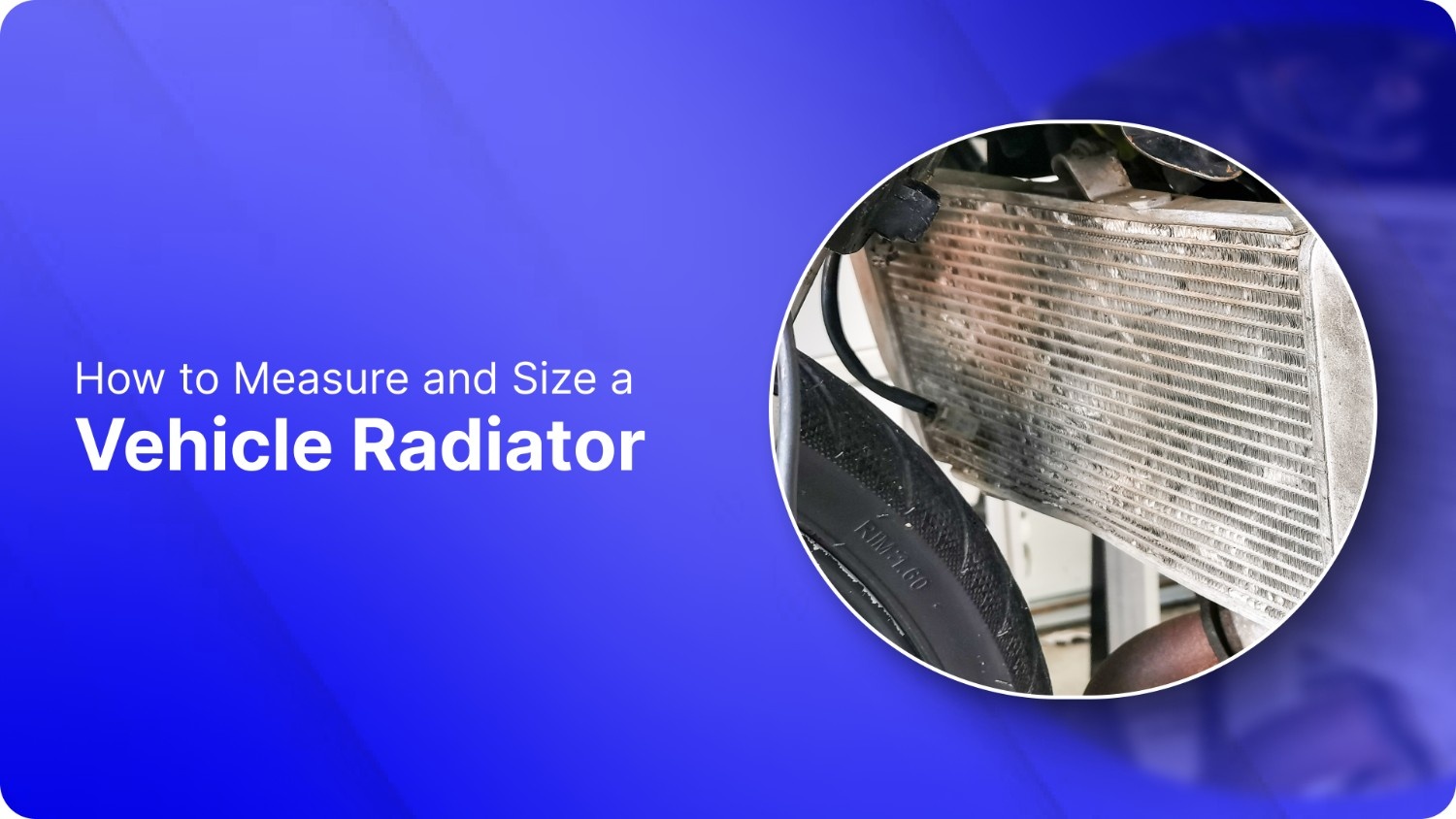
A vehicle radiator is a vital component of the engine's cooling system, designed to dissipate heat from the engine coolant to prevent overheating.
Radiators are typically made of aluminum or copper and consist of a series of tubes and fins that allow coolant to circulate and release heat efficiently.
Role of a Vehicle Radiator:
Heat Dissipation: Transfers excess heat from the engine coolant to prevent overheating.
Coolant Circulation: Ensures the engine coolant flows through the radiator for effective cooling.
Temperature Regulation: Helps maintain optimal operating temperatures for the engine.
Prevents Engine Failure: Keeps the engine from reaching damaging high temperatures that can lead to system failure.
Improves Efficiency: Optimizes engine performance by maintaining proper heat levels, especially during high load conditions.
Understanding the role of a vehicle radiator is crucial for ensuring the right size and specifications for your GSE.
Let's now look into the key factors you should consider when measuring a radiator for your ground support equipment.
5 Key Factors to Consider When Measuring a Radiator Size
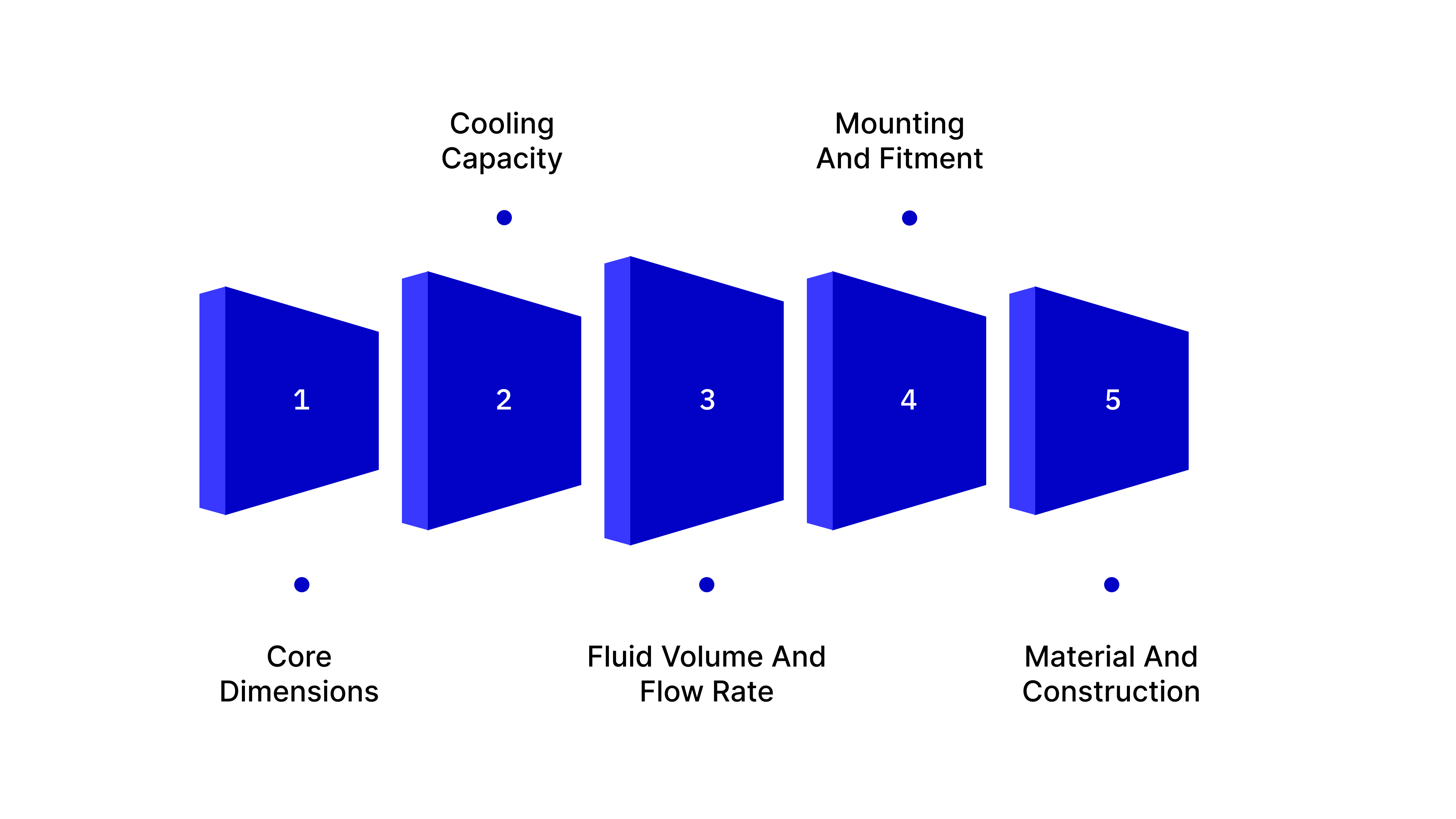
When selecting the right radiator size for your ground support equipment, several key factors must be taken into account. These factors ensure optimal cooling performance and fitment, helping to avoid costly downtime and maintain equipment efficiency.
Here are the critical factors to consider when measuring a radiator size:
Core Dimensions
Core dimensions refer to the height, width, and thickness of the radiator. These measurements should fit within the available space in your GSE.
Why it is important: Accurate core dimensions ensure that the radiator fits correctly and allows proper airflow to maintain engine temperature.
Cooling Capacity
Cooling capacity refers to the amount of heat the radiator can dissipate from the engine coolant. It is determined by the radiator's size and design.
Why it is important: An insufficient cooling capacity can lead to overheating, while excessive capacity may waste energy, reducing system efficiency.
Fluid Volume and Flow Rate
This refers to the amount of coolant that can circulate through the radiator and how quickly it can flow.
Why it is important: Proper fluid volume and flow rate ensure that the engine stays at optimal operating temperatures without excess strain on the system.
Mounting and Fitment
This factor involves ensuring the radiator aligns with the vehicle's mounting points for secure installation.
Why it is important: Proper fitment prevents radiator misalignment, which can affect performance and lead to system inefficiencies or leaks.
Material and Construction
Radiators are typically made of aluminum or copper. The choice of material affects heat dissipation and durability.
Why it is important: The material impacts the radiator's ability to withstand stress, resist corrosion, and provide efficient cooling.
These factors are crucial for ensuring your GSE's radiator performs optimally under demanding conditions.
Next, let's take a look at a step-by-step guide to help you measure the perfect radiator for your equipment.
Step-by-Step Guide on How to Measure a Vehicle Radiator
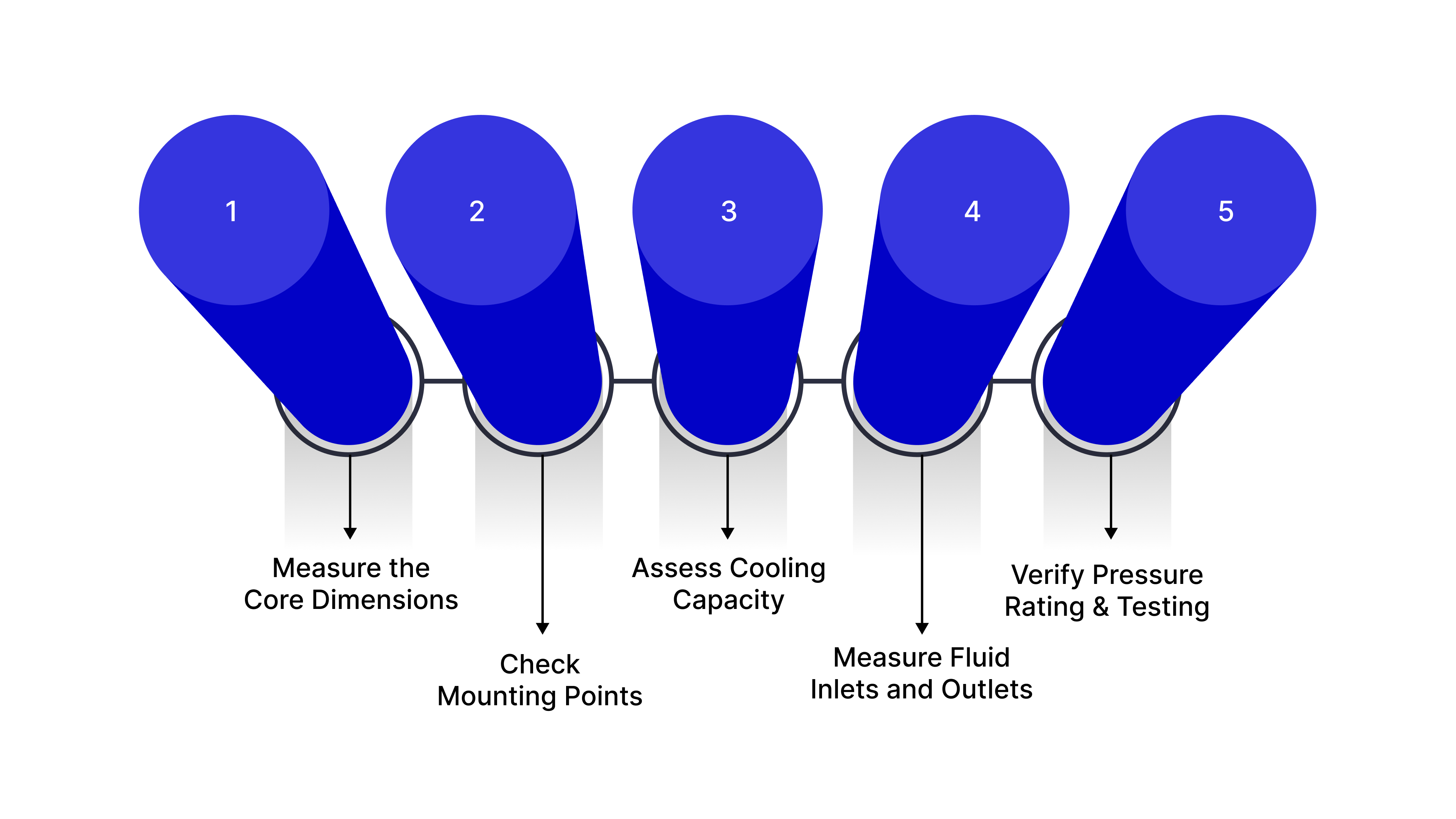
Measuring a vehicle radiator accurately is essential to ensure it fits perfectly and meets your GSE's cooling needs. Follow this step-by-step guide to take precise measurements that will help you select the correct radiator size and specifications.
Here’s how to measure a vehicle radiator for your ground support equipment:
Step 1: Measure the Core Dimensions (Height, Width, Thickness)
Use a tape measure to determine the height, width, and thickness of the radiator's core. These are the key dimensions that must align with the available space in your GSE.
Why it matters: Accurate core measurements ensure a perfect fit and optimal airflow.
Step 2: Check Mounting Points
Measure the mounting points of the radiator to ensure it matches the installation brackets or mounting holes in your GSE.
Why it matters: Incorrect mounting can result in misalignment, inefficient cooling, and potential leaks.
Step 3: Assess Cooling Capacity
Determine the required cooling capacity by considering the engine size, load, and environmental conditions.
Why it matters: Sufficient cooling capacity prevents overheating and ensures the radiator can handle the heat output from the engine.
Step 4: Measure Fluid Inlets and Outlets
Measure the fluid inlets and outlets to ensure they match the size and location of your GSE's cooling system.
Why it matters: Proper fluid connection size prevents leaks and ensures efficient circulation.
Step 5: Verify Pressure Rating and Testing
Ensure the radiator has the appropriate pressure rating and has been tested to handle the specific pressure requirements of your GSE.
Why it matters: A radiator with the correct pressure rating ensures safe and reliable operation.
With these steps, you'll be able to measure the radiator size accurately for your GSE. Now, let's take a look at common mistakes to avoid when measuring radiators.
5 Common Mistakes to Avoid When Measuring Radiators for GSE
Measuring a radiator for your ground support equipment (GSE) seems straightforward, but there are common mistakes that can lead to poor fitment and performance.
Here’s what to watch out for when measuring radiators:
Overlooking Mounting Points
Not accurately measuring the mounting points can lead to improper fitment.
How to avoid it: Double-check the mounting locations and ensure the radiator aligns with the designated spots on your GSE.
Ignoring Cooling Capacity Needs
Choosing a radiator with insufficient cooling capacity can result in overheating, while too much capacity might waste energy.
How to avoid it: Assess the engine's heat output and choose a radiator that matches the required cooling load.
Not Considering Fluid Flow Rate
Failing to properly measure the fluid inlets and outlets can cause leaks or inadequate coolant circulation.
How to avoid it: Ensure fluid connections are the right size and properly positioned for optimal coolant flow.
Underestimating Material Quality
Opting for a radiator made from inferior materials can impact durability and performance.
How to avoid it: Choose radiators made of aluminum for a lightweight yet durable solution with excellent heat dissipation.
Skipping Pressure Rating Checks
Not confirming the pressure rating of the radiator can lead to failure under high engine loads.
How to avoid it: Verify that the radiator's pressure rating matches the GSE's operating conditions.
By keeping these mistakes in mind, you can avoid costly errors and ensure the perfect radiator fit.
Now, let's explore how to ensure the radiator fits perfectly in your ground support equipment.
How to Ensure the Perfect Fit for Your Ground Support Equipment
Ensuring the perfect fit for your radiator is critical for maintaining the efficiency and reliability of your ground support equipment (GSE). Proper fitment not only ensures optimal performance but also minimizes the risk of overheating and system failures.
Here’s a checklist to guarantee the perfect fit:
Measure all dimensions (height, width, thickness) and compare them with the available space in your GSE.
Check mounting compatibility by ensuring the radiator's mounting points align with the GSE's brackets or mounting holes.
Ensure fluid connection matches by confirming the fluid inlets and outlets align with your GSE's cooling system.
Confirm pressure rating compatibility by ensuring the radiator's pressure rating matches your GSE's operational requirements.
Consider environmental factors to ensure the radiator can handle the specific conditions of your GSE's operating environment.
By following this checklist, you can ensure your radiator fits perfectly and functions at its best. Now, let's explore some final tips for maintaining radiators in your ground support equipment.
Final Tips for Maintaining Radiators in Ground Support Equipment
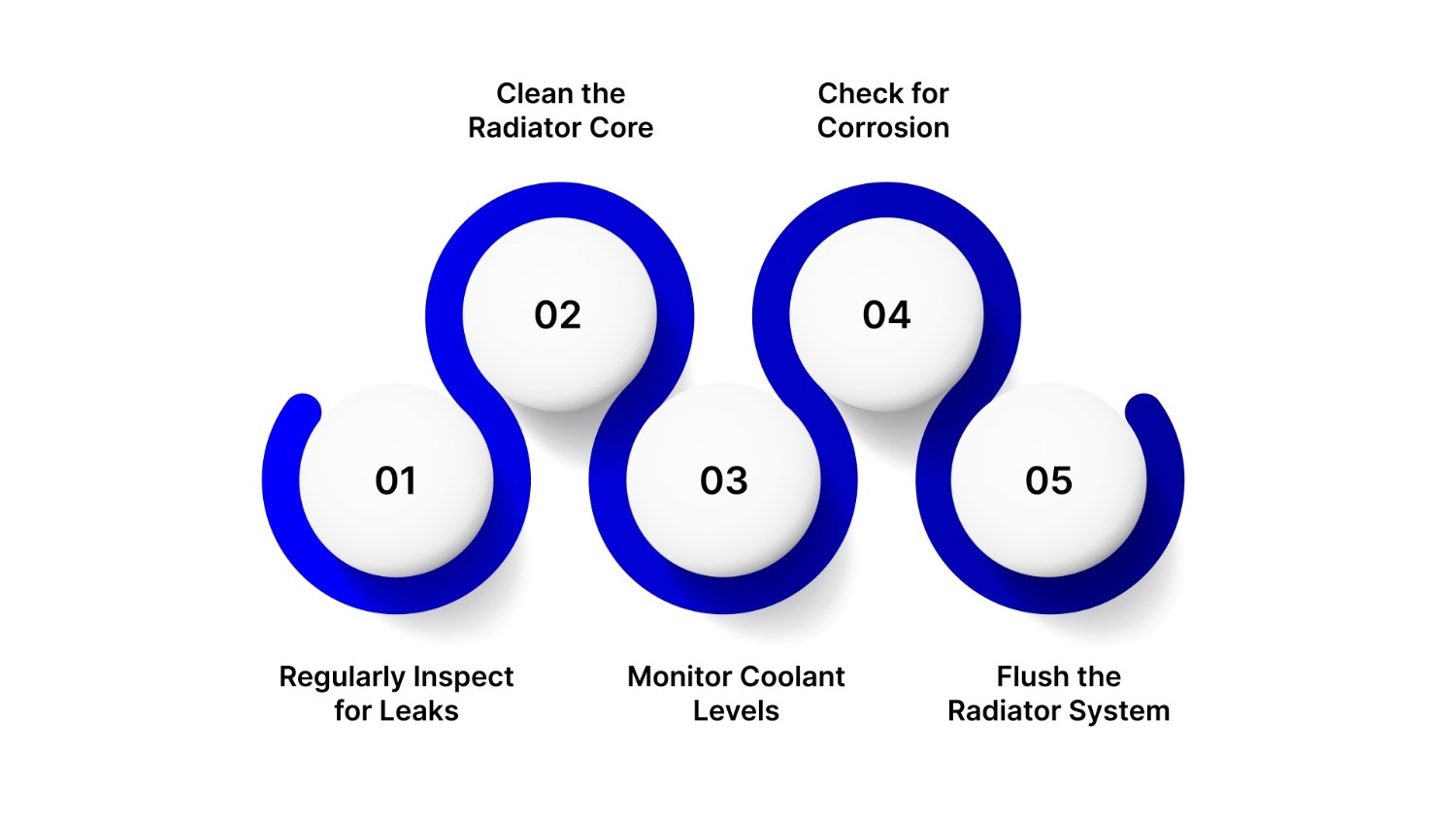
Regular maintenance is essential to ensure the longevity and performance of your GSE radiators. By staying proactive with maintenance, you can prevent costly repairs and ensure your equipment operates efficiently, even under demanding conditions.
Here are some practical tips to help you maintain your radiator.
Regularly Inspect for Leaks
Tools Required: Flashlight, coolant dye, leak detection spray
Check for coolant leaks around the radiator and hose connections. Use a flashlight to inspect hard-to-see areas and coolant dye to pinpoint leaks. Address any leaks immediately to prevent coolant loss.
Clean the Radiator Core
Tools Required: Compressed air, soft brush, water hose
Remove debris, dirt, and leaves from the radiator core using compressed air. A soft brush can help clean off stubborn dirt. This ensures proper airflow and cooling efficiency.
Monitor Coolant Levels
Tools Required: Coolant reservoir, funnel, gloves
Always keep the coolant levels at the manufacturer's recommended levels. Use a coolant reservoir to check the levels, and add coolant with a funnel if necessary.
Check for Corrosion
Tools Required: Anti-corrosion treatment, cloth, corrosion tester
Inspect the radiator for signs of corrosion, especially at the seams or in areas exposed to high heat. Use an anti-corrosion treatment or corrosion inhibitor to prevent further damage. You can use a corrosion tester to check the severity.
Flush the Radiator System
Tools Required: Radiator flush kit, clean water, gloves
Perform regular flushes to remove dirt, rust, and sludge from the cooling system. A radiator flush kit will help remove contaminants, ensuring the coolant flows freely and efficiently.
By following these maintenance tips and using the proper tools, you can keep your GSE radiators in top working condition.
Are You Ready to Select the Right Radiator for Your Ground Support Equipment?
Choosing the right radiator size and specifications is critical to ensuring optimal performance and longevity for your GSE. Accurate measurements and understanding of key factors will help you avoid inefficiencies and reduce downtime.
At FSR Products, we specialize in manufacturing high-performance radiators exclusively for airport ground support equipment. With years of experience and a commitment to quality, we offer:
Custom radiator solutions personalized for specific GSE needs
High-quality materials like aluminum for durability and efficient heat dissipation
Expert support and guidance for proper radiator sizing and fitment
For all your radiator needs, contact us today to ensure your GSE operates at its best with reliable, long-lasting performance.
FAQs
Can I use a standard car radiator for ground support equipment?
No, GSE requires radiators designed for heavy-duty operations. Standard car radiators typically cannot handle the high load and demanding conditions of airport ground support vehicles.
How do I know if my radiator is too big for my vehicle?
If your radiator is too large, it may lead to excessive coolant circulation, which can waste energy and reduce system efficiency. Ensuring the correct size is crucial for optimal performance.
What is the typical lifespan of a radiator in ground support equipment?
The lifespan of a radiator depends on factors like maintenance and operational conditions. With proper care, a radiator can last anywhere from 5 to 10 years.
How often should a radiator be flushed in ground support equipment?
Radiators in GSE should be flushed every 1 to 2 years, or whenever you notice a decrease in cooling performance. Regular flushing helps remove debris and contaminants from the system.
Can I replace a radiator myself, or should I hire a professional?
While it's possible to replace a radiator yourself, it's recommended to hire a professional if you're unsure. Proper installation is critical to avoid misalignment and ensure the radiator works efficiently.