A properly functioning radiator is essential to keeping a Toyota forklift running efficiently, especially in demanding industrial environments where heat buildup can quickly lead to performance issues or costly downtime. Over time, radiators can become clogged, corroded, or damaged, making removal and replacement necessary to maintain optimal engine cooling.
This step-by-step guide to removing a Toyota forklift radiator is designed to help technicians, maintenance teams, and equipment owners understand the correct process for safely removing one.
Whether you’re dealing with overheating, coolant leaks, or planning a full radiator replacement, following the proper procedure is critical to avoid damage to surrounding components.
At a Glance
Toyota forklift radiator removal is required when overheating, coolant leaks, corrosion, or clogged fins affect cooling performance.
Proper preparation includes cooling the engine, disconnecting the battery, draining coolant, and removing access panels.
Radiator removal involves disconnecting hoses and lines, removing the fan or shroud if needed, unbolting mounts, and carefully lifting out the radiator.
Post-removal inspection helps determine whether the radiator can be reused or must be replaced.
Correct installation and regular maintenance are essential to restore cooling efficiency and prevent future downtime.
For airport ground support equipment, FSR Products offers custom-engineered, heavy-duty radiators designed to improve uptime and long-term forklift reliability.
How a Forklift Radiator Works?
Understanding how a forklift radiator functions makes Toyota forklift radiator removal easier and more effective by helping maintenance teams identify where cooling issues originate.
Below is a clear breakdown of each part of the cooling process and why it matters in forklift operation.
The Forklift Cooling Cycle Explained
A forklift radiator regulates engine temperature by removing excess heat from the coolant. During operation, coolant circulates through the engine block, absorbing heat generated by combustion and continuous workload. Once heated, the coolant flows into the radiator, where it is cooled before returning to the engine to repeat the cycle.
Heat Transfer Inside the Radiator Core
Inside the radiator, coolant passes through narrow tubes surrounded by metal fins. These fins increase surface area, allowing heat to transfer efficiently from the coolant into the surrounding air. This heat dissipation process is essential for maintaining stable engine temperatures during extended forklift operation.
Role of Airflow and the Cooling Fan
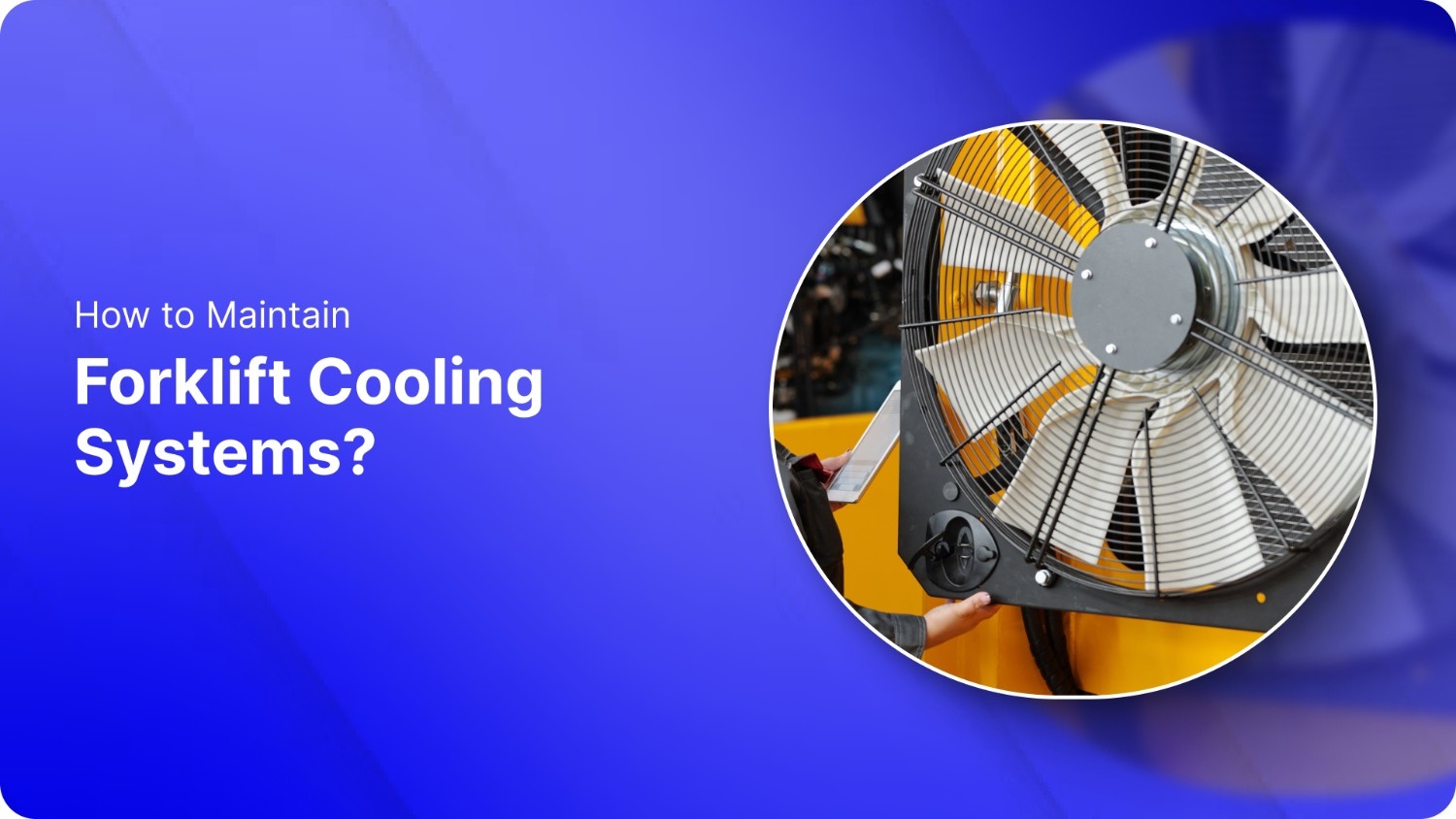
Because forklifts often operate at low speeds, natural airflow is limited. A cooling fan pulls air through the radiator fins, accelerating heat release and maintaining consistent coolant temperatures. Proper fan operation is critical to overall cooling system efficiency.
Why Forklift Radiators Face Higher Stress
Forklifts typically operate for long periods in dusty, industrial environments with stop-and-go duty cycles. Dirt buildup, restricted airflow, and continuous heat exposure place additional stress on the radiator, increasing the risk of clogging, corrosion, and overheating compared to automotive systems.
When Radiator Removal Becomes Necessary
When dirt accumulation, corrosion, internal blockages, or physical damage prevent the radiator from regulating engine temperature effectively, inspection and removal of the Toyota forklift radiator are required to determine whether cleaning, repair, or replacement is needed.
Tools & Parts You’ll Need
Although removing a Toyota forklift radiator may appear simple, many models have integrated cooling components that require additional preparation. Having the right tools and materials ready will make the process faster, safer, and more efficient.
You’ll need:
Socket wrench set
Drain the pan for coolant
Approved coolant
Distilled water
Absorbent materials for spills
Gloves and safety goggles
Service or repair manual for your Toyota forklift
Transmission or hydraulic fluid (if applicable)
Preparing these items in advance helps prevent delays and ensures the radiator removal process goes smoothly.
Preparing the Forklift for Radiator Removal
Proper preparation is essential before starting Toyota forklift radiator removal to ensure safety and prevent damage to the cooling system or surrounding components. Cooling system issues, such as radiator leaks and overheating, can quickly escalate into costly repairs. In fact, maintenance accounts for 20–50% of total operating budgets for industrial operations, highlighting why proactive maintenance and correct service procedures are critical for controlling costs
Taking the time to follow these steps will make the removal process smoother and more efficient.
Park the forklift on a level surface and engage the parking brake to prevent movement during service.
Shut off the engine and allow it to cool completely. Never attempt radiator removal on a hot engine, as pressurized coolant can cause serious injury.
Disconnect the battery, starting with the negative terminal, to eliminate electrical hazards while working near the engine compartment.
Drain the coolant into an approved drain pan by opening the radiator drain valve or removing the lower hose. Dispose of old coolant in accordance with local regulations.
Remove access panels or engine covers to fully expose the radiator, hoses, and mounting brackets.
Once these steps are complete, the forklift will be prepared for safe, efficient radiator removal.
Step-by-Step Radiator Removal
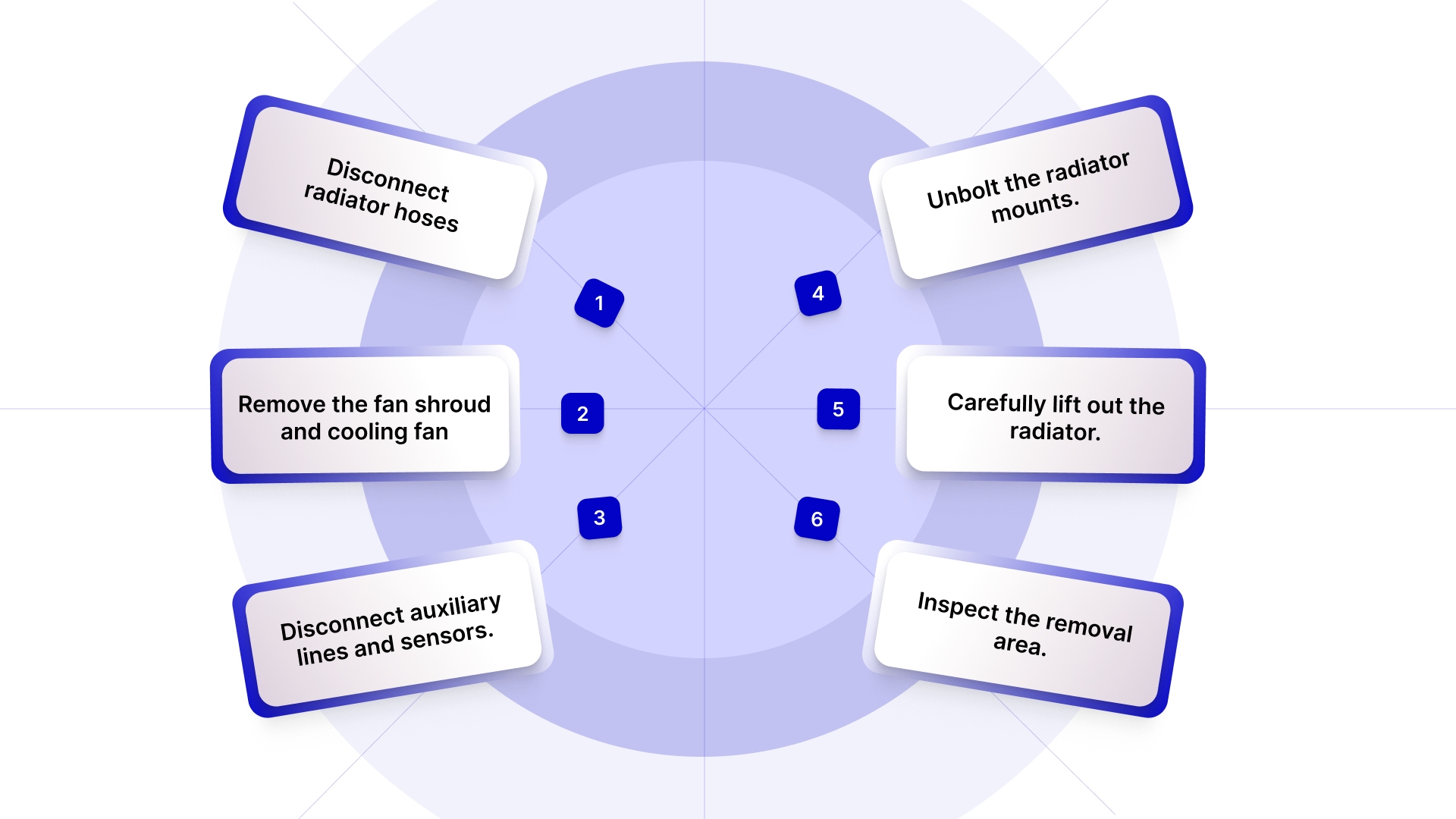
With the forklift properly prepared, you can now proceed with the Toyota forklift review. Follow these steps carefully to avoid damaging the radiator or nearby components.
Disconnect radiator hoses
Loosen the clamps and remove the upper and lower radiator hoses. Be prepared for any remaining coolant to drain out.
Remove the fan shroud and cooling fan (if applicable)
Some Toyota forklifts require removing the fan shroud or fan assembly to access the radiator. Unbolt these components and set them aside.
Disconnect auxiliary lines and sensors.
If the radiator includes an integrated oil or transmission cooler, carefully disconnect any attached lines. Plug or cap the lines to prevent contamination or fluid loss.
Unbolt the radiator mounts.
Locate and remove the mounting bolts or brackets securing the radiator to the frame. Keep hardware organized for reinstallation.
Carefully lift out the radiator.
Gently slide or lift the radiator out of the engine compartment. Avoid bending the fins or striking surrounding components during removal.
Inspect the removal area.
Once removed, check the surrounding hoses, belts, and mounts for wear or damage before proceeding.
Completing these steps enables safe, efficient removal of the radiator, setting the stage for inspection, repair, or replacement.
Post-Removal Inspection
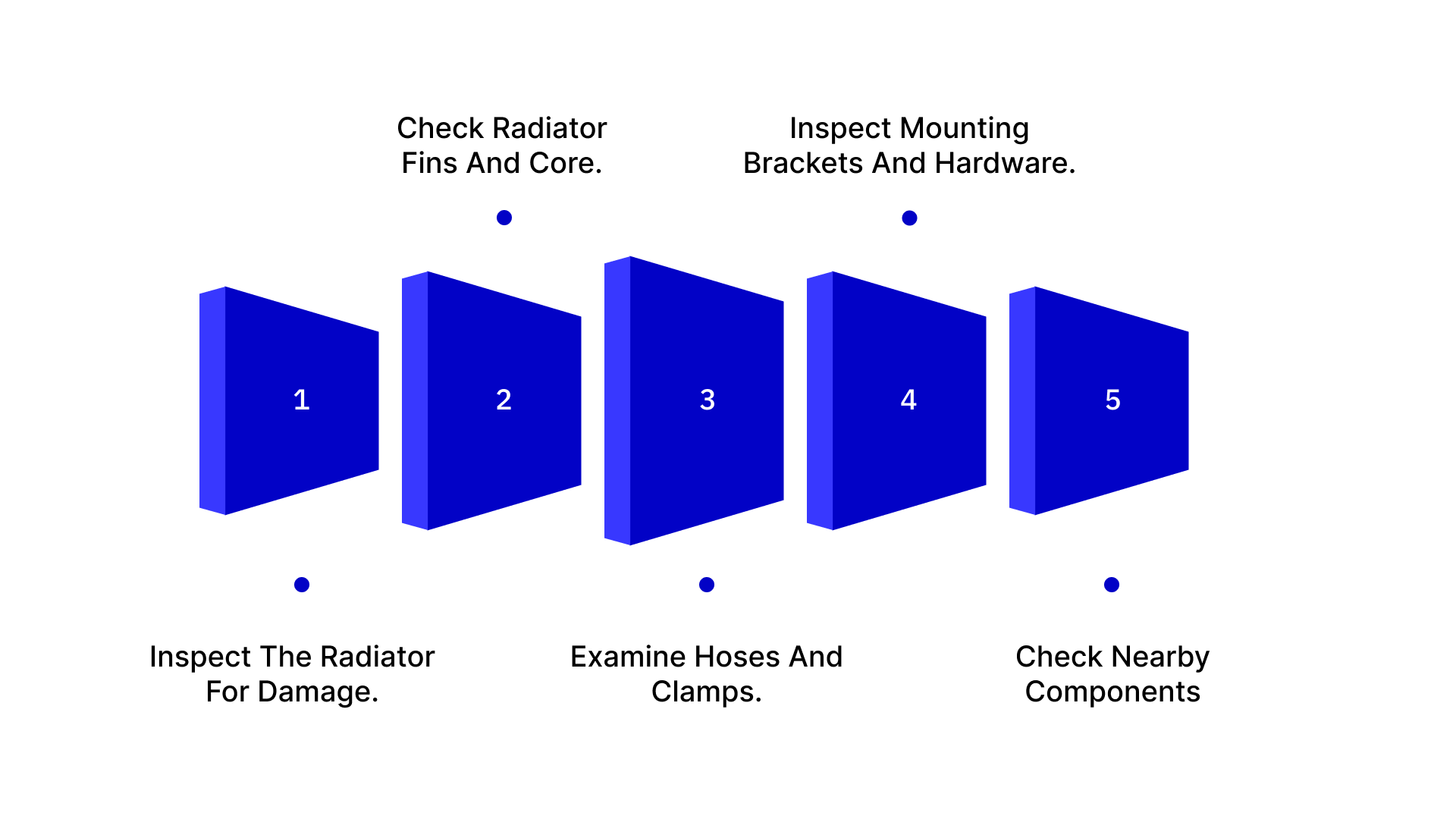
After removing the Toyota forklift radiator, a thorough inspection is performed to determine whether it can be reused or requires replacement, and to ensure that surrounding components are in good condition.
Inspect the radiator for damage.
Look for cracked tanks, bent fins, corrosion, or visible leaks that could compromise cooling performance.
Check radiator fins and core.
Ensure the fins are not clogged with dirt, debris, or oil buildup, which can restrict airflow and reduce cooling efficiency.
Examine hoses and clamps.
Inspect all coolant hoses for cracks, soft spots, swelling, or brittleness. Replace worn hoses and clamps as needed.
Inspect mounting brackets and hardware.
Verify that radiator mounts, brackets, and fasteners are not bent, cracked, or excessively worn.
Check nearby components
Inspect belts, cooling fan, and shroud for signs of wear or misalignment while access is unobstructed.
Addressing any issues during this inspection helps prevent future overheating problems and ensures a smooth radiator reinstallation or replacement.
Installing a New Radiator
Once inspection is complete, installing a new unit is the next step in the Toyota forklift radiator removal and replacement process. Proper installation ensures reliable cooling performance and helps prevent future leaks or overheating.
Position the new radiator carefully: Lower or slide it into place, ensuring it aligns with the mounting points and does not contact surrounding components.
Secure the radiator mounts: Reinstall mounting brackets and bolts, tightening them evenly. Use a torque wrench if specifications are provided in the service manual.
Reconnect hoses and lines: Attach the upper and lower radiator hoses, and any oil or transmission cooler lines, if applicable. Secure all clamps firmly.
Reinstall the fan and shroud: If removed earlier, reinstall the cooling fan and fan shroud to ensure proper airflow through the radiator.
Refill the cooling system with the correct coolant mixture, adding distilled water as required. Bleed air from the system according to manufacturer guidelines.
Reconnect the battery, start the forklift, and monitor the operating temperature. Check for leaks and verify normal cooling system operation.
Completing these steps correctly ensures the new radiator functions efficiently and restores proper engine cooling.
Maintenance Tips After Radiator Service
Proper maintenance after Toyota forklift radiator removal and installation helps extend radiator life and prevents overheating. Following a few simple practices can keep the cooling system operating efficiently.
Check coolant levels regularly and top off as needed using the recommended coolant type.
Inspect hoses and clamps: Periodically check for leaks, cracks, or loose clamps that could lead to coolant loss.
Keep radiator fins clean: Remove dust, debris, and oil buildup to maintain proper airflow.
Monitor operating temperature: Monitor temperature gages during operation to detect early signs of cooling issues.
Schedule routine cooling system inspections: Regular inspections help identify wear or blockages before they cause downtime.
Consistent maintenance ensures long-term performance and reliability of your forklift’s cooling system.
FSR Products: Expert Cooling System Services & Radiator Solutions
FSR Products designs and manufactures high-performance aluminum radiators for airport ground support equipment, including Toyota forklifts used in demanding industrial and aviation environments. When a radiator issue is identified during the removal of a Toyota forklift radiator, access to a properly engineered replacement is critical to preventing extended downtime and operational delays.
Our radiators are built to support continuous forklift operation by delivering reliable cooling performance under heavy loads and long duty cycles.
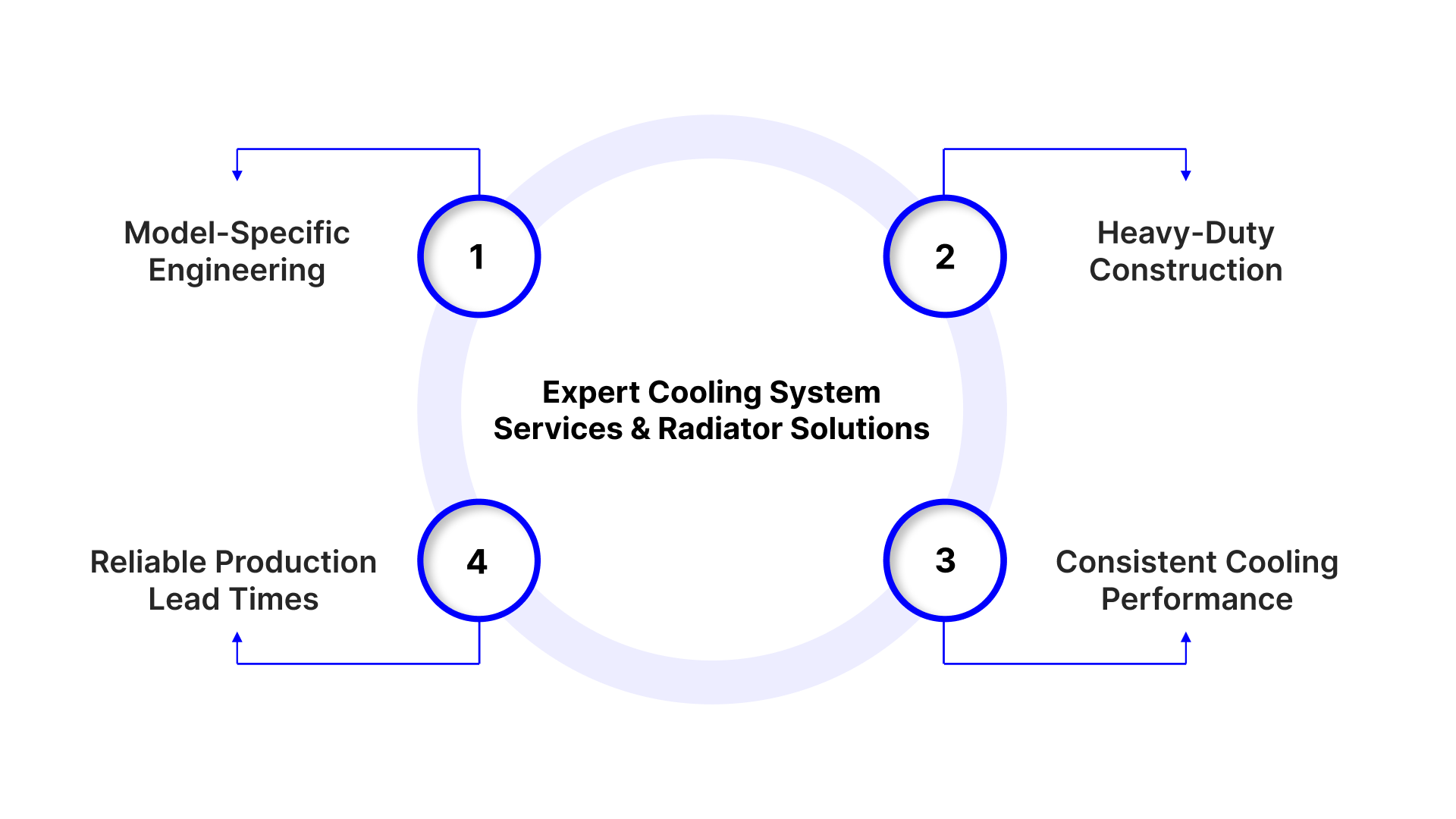
Model-Specific Engineering
Each radiator is custom-engineered to match the dimensions, mounting points, and airflow requirements of specific Toyota forklift models, ensuring proper fit and efficient heat dissipation.
Heavy-Duty Construction
Built with robust aluminum cores, FSR radiators are designed to withstand harsh operating conditions, reducing the risk of leaks, overheating, and premature component failure.
Consistent Cooling Performance
Optimized for stable temperature control during extended operation, helping protect engines from heat-related wear and unplanned shutdowns.
Reliable Production Lead Times
Efficient manufacturing and shipping processes enable maintenance teams to quickly replace damaged radiators and return forklifts to service with minimal disruption.
By delivering durable, custom-fit cooling solutions, FSR Products helps airport operations and maintenance teams extend equipment life, reduce maintenance risk, and maintain reliable forklift performance when radiator replacement becomes necessary.
Conclusion
Proper radiator removal and inspection are critical steps in maintaining the reliability of Toyota forklifts used in airport ground support operations. In high-duty airports where uptime is critical, early detection of cooling system issues prevents overheating, breakdowns, and costly operational delays.
When radiator replacement becomes necessary, FSR Products provides custom-engineered, made-in-the-USA aluminum radiators designed specifically for airport ground support equipment.
With model-specific fitment, heavy-duty construction, and proven thermal performance, FSR radiators help maintenance teams restore cooling efficiency, extend equipment life, and keep forklift fleets operating reliably.
To discuss a replacement radiator or custom cooling solution for your Toyota forklift, contact us today.
FAQs
1. When should Toyota forklift radiator removal be performed?
Removing the Toyota forklift radiator is necessary when coolant leaks, overheating, clogged fins, corrosion, or internal blockages cannot be resolved by basic cleaning or flushing.
2. Can I reuse the radiator after removal?
Yes, if the radiator shows no signs of leaks, severe corrosion, or internal clogging after inspection. If damage is found, replacing it with a new or custom radiator is recommended to ensure proper cooling performance.
3. How long does Toyota forklift radiator removal take?
In most cases, radiator removal takes 1 to 3 hours, depending on the forklift model, accessibility, and whether additional components, such as fan shrouds or coolant lines, need to be disconnected.
4. What should I do if my forklift radiator is beyond repair?
If the radiator is damaged beyond repair, consider a professionally built replacement. Companies like FSR Products offer custom-engineered radiators designed for industrial equipment, helping reduce downtime and improve cooling efficiency.